Heritage
A house, in its own words
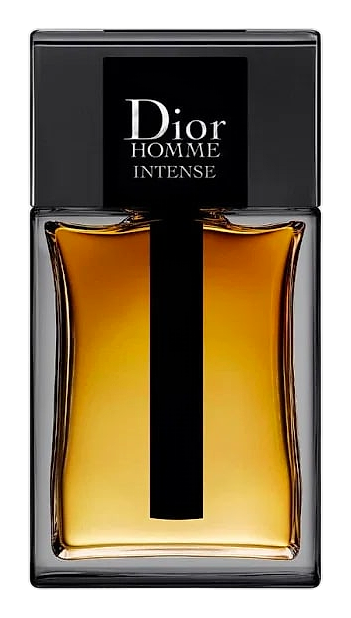
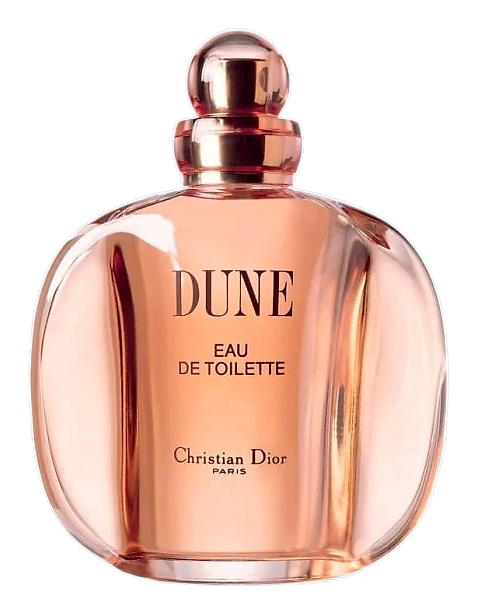
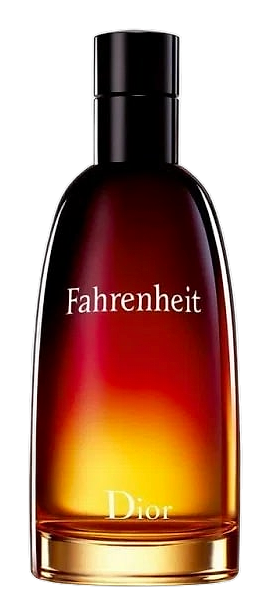
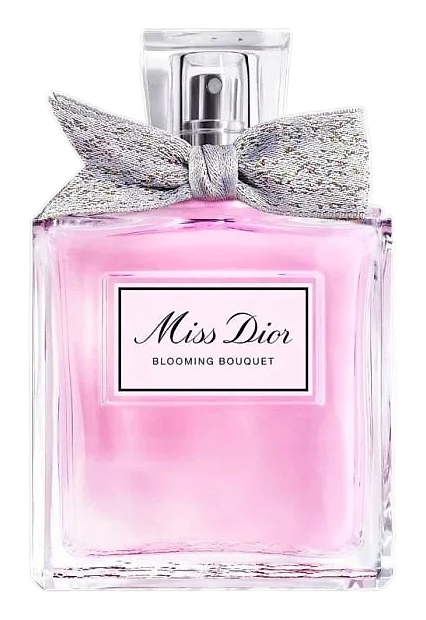
Christian Dior was born in 1905 in Granville, Normandy, into a family that valued refinement. He opened his couture house on December 16, 1946 at 30 Avenue Montaigne in Paris, backed by textile magnate Marcel Boussac. The fashion house debuted its first collection on February 12, 1947. The presentation became known as the New Look: a postwar celebration of femininity built on nipped waists, generous skirts, and luxurious fabrics after years of austerity. Fragrance arrived almost immediately. Christian Dior considered scent inseparable from the clothes themselves. In 1947, he asked perfumer Paul Vacher to compose a perfume to accompany the debut. The result was Miss Dior, named after his sister Catherine, who had been active in the French Resistance. The launch established a pattern: every major fashion statement from the house would carry a fragrance alongside it. By the late 1940s, Dior had expanded the original Miss Dior into a broader collection of eaux de toilette and ancillary products. Through the 1950s, the house continued to develop its perfumery under names like Diorissimo and Eau Fraîche, working with a small circle of perfumers who shaped the early catalog. Christian Dior died in 1957 at the age of 52. The fashion house and its perfume business continued under subsequent creative directors, while the fragrance division grew into a global operation. Today, Parfums Christian Dior operates within the LVMH group and remains headquartered in France, with its perfume legacy still anchored to that 1947 debut. Christian Dior positioned perfume as an extension of the couture gesture, not a separate category. A woman (and later, a man) wearing Dior was meant to smell the way the clothes felt: deliberate, composed, unmistakably of the house. That conviction shaped early collaborations with perfumers who understood couture as a language. The house has tended to build flagship scents and then expand them through flankers and reinterpretations, rather than releasing entirely new directions with every launch. J'adore, launched in 1999, and Sauvage, launched in 2015, are both examples of this approach: a central composition refined and rereleased across multiple formats and concentrations over many years. Dior's perfumery also reflects a willingness to work with contemporary perfumers and modern synthetic molecules alongside traditional naturals, treating the palette as something to be updated rather than preserved in amber.