The Story
Why it exists.
The beginning
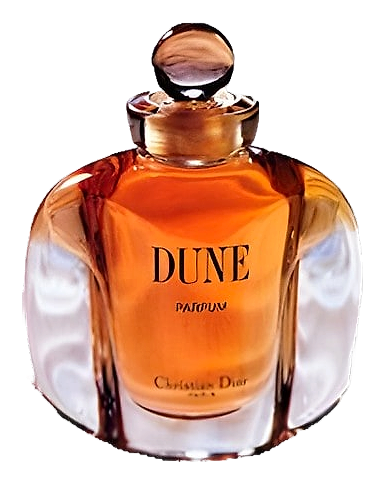
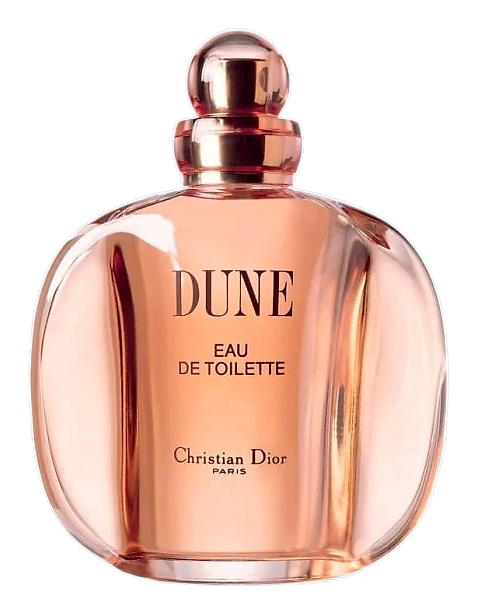
Dune arrived in 1991, composed by a team of three perfumers (Jean-Louis Sieuzac, Nejla Barbir, and Dominique Ropion) for the French house of Christian Dior. Its premise is serene rather than severe: luminous flowers and woods arranged with the calm of open space, then grounded by amber, vanilla, moss, and patchouli. The result feels tailored yet sunlit, a scent with room to breathe and enough weight to remain composed. The accord opens with a bright, almost translucent shimmer of aldehydes and citrus, then settles into a seamless dialogue between soft petals and drier, earthier materials. Oakmoss lends a dusky green shadow, while patchouli adds a slow-burning warmth that keeps the composition from floating away.
The tension sits early. Aldehydes and bergamot bring a cool, polished brightness, while mandarin orange and Brazilian rosewood keep the opening warm and spiced. Peony announces the floral theme, but the heart refuses a single-flower simplicity. Ylang-ylang, jasmine, lily, and rose overlap in soft layers, then meet a base where sandalwood and patchouli meet vanilla, benzoin, musk, oakmoss, and ambergris. Floral on top, earthy underneath. That contrast gives Dune its composure.
The evolution
The opening lands with aldehydes, bergamot, mandarin orange, Brazilian rosewood, and peony: cool brightness cut by warm wood. The florals soon take over, ylang-ylang and jasmine becoming fuller as lily and rose soften their edges. Sandalwood arrives gradually, but patchouli and oakmoss are the tell. They turn the powder from makeup-like to grounded, while benzoin and vanilla melt the composition into ambergris warmth. The base remains noticeable for extended wear, close enough to keep wearing and strong enough to mark a path. Over time, the composition shifts from its airy, almost sparkling overture into something deeper and more tactile. The citrus notes fade first, giving way to the creamier facets of sandalwood and the soft, resinous pull of benzoin.
Cultural impact
Dune expresses a softer, more elemental idea of elegance, one rooted in floral lushness and grounded woody warmth. Its floral heart and earthy base suit someone drawn to classic glamour with a little earth under the manicure. The balance feels specific: polished without being brittle, nostalgic without falling into costume. It appeals to a particular kind of wearer, someone who appreciates traditional florals but wants something less stiff than a soliflore, more dimensional than a simple bouquet.