The Story
Why it exists.
The beginning
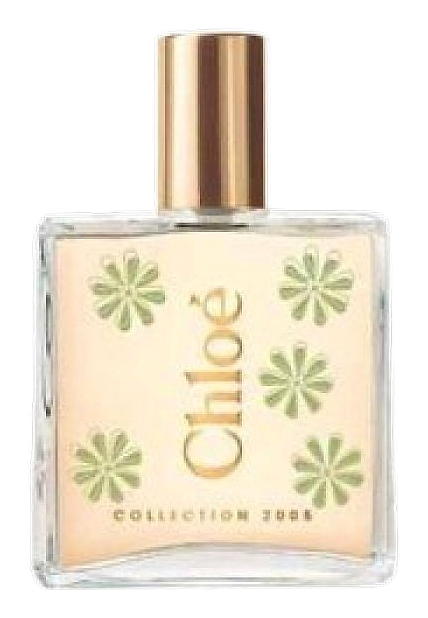
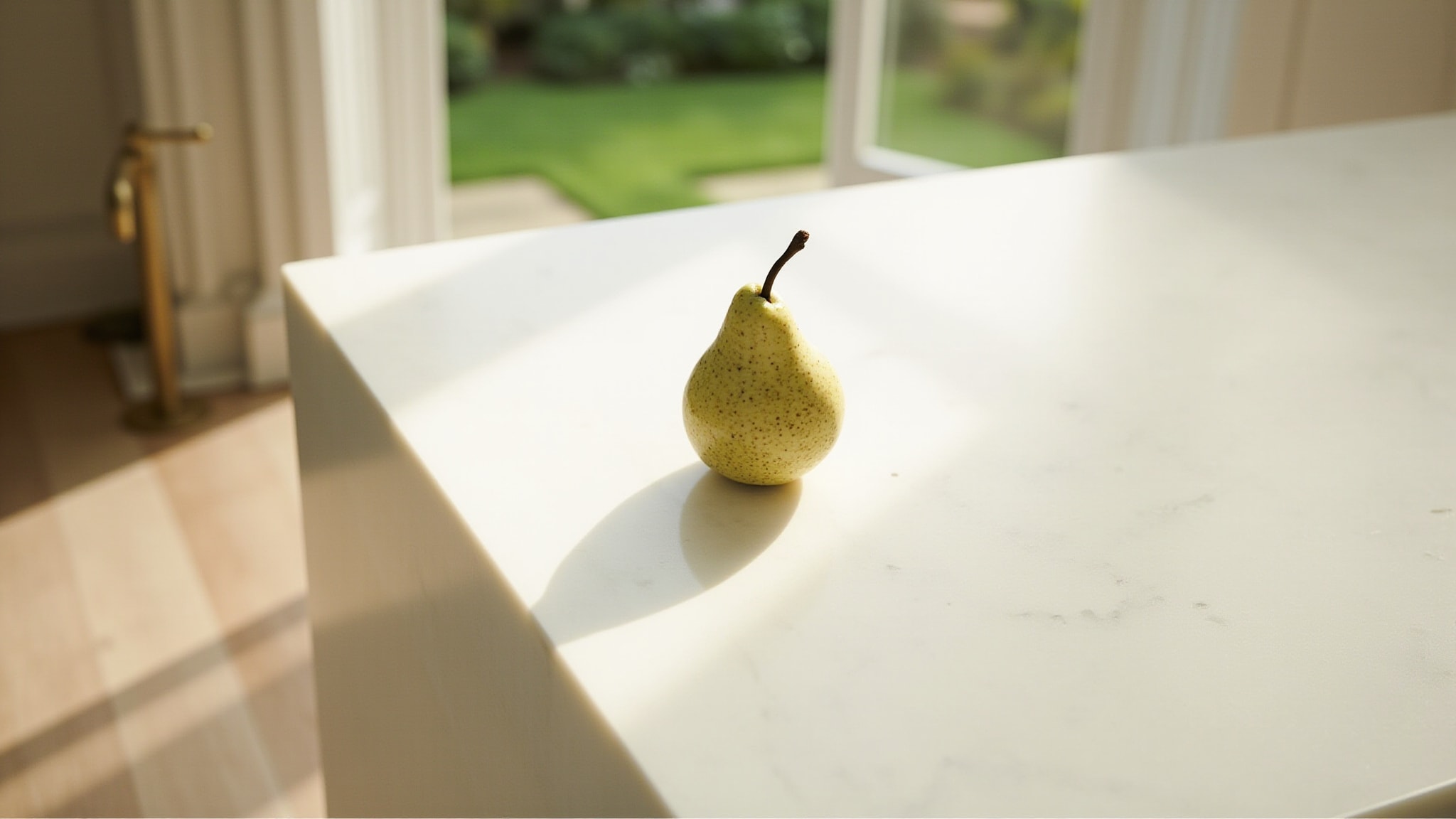
Chloé Collection 2005 arrived in 2005, composed by Clément Gavarry with a co-credit to Carlos Benaïm. The fragrance was released as part of a collection that explored different facets of feminine lightness, an editorial concept that positioned the scent within a broader conversation about how French houses approached freshness at the time. The composition itself reads as effortless, which is the hardest thing in perfumery to actually build. Gavarry worked with a restrained palette, letting each note do its job without crowding the structure. Pear opens with a translucent sweetness, cool and almost weightless, while the water lily beneath it offers less a scent than a temperature drop, the kind of effect that makes fruit read brighter than it would alone.
What makes this composition worth noticing is the deliberate contrast at its center. The water lily and the tuberose are polar opposites on the floral spectrum: one almost scentless, the other heavy with cream and almost narcotic density. Placing them in the same phase means the fragrance never settles into one mood. It keeps moving between sheer and dense, cool and warm, transparent and opaque. The birch underneath adds a dryness that keeps the whole thing from going soft.
The evolution
The opening belongs entirely to pear, with the water lily acting less as a note than a temperature shift, a cooling effect that makes the fruit read brighter than it would alone. As the composition settles, gardenia and tuberose begin to surface, and the scent loses its cool edge. The gardenia brings a creamy sunscreen quality, slightly tropical, while tuberose pushes deeper into that dense, almost overripe white-floral territory. Passion fruit weaves in alongside them, adding a tart, almost bruised sweetness that keeps the heart from feeling too bridal. Eventually the florals thin considerably, and what's left reads as skin-warm musk with a faint birch woodiness. The birch is the detail that separates this from a dozen similar fruity-florals: it gives the drydown a dry, almost papery texture rather than the usual sweet amber base.
Cultural impact
Within the house's own portfolio, Chloé Collection 2005 sits as a counterpart to the more famous 2008 Eau de Parfum. The two compositions share a sensibility but read quite differently in execution. The 2005 release leans cooler and more fruit-driven, while the 2008 signature pushes further into rose-driven softness. Both express the Chloé feminine ideal but through different structural choices, one anchored by pear and white florals, the other built around rose and powder. The production of the 2005 composition was apparently discontinued, which has shaped its current standing.