
The Story
Why it exists.
The beginning
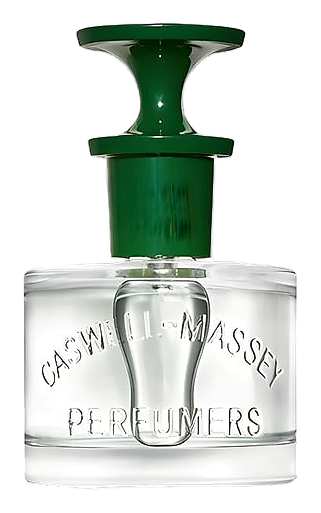
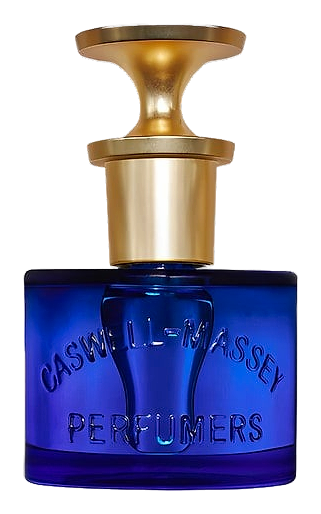
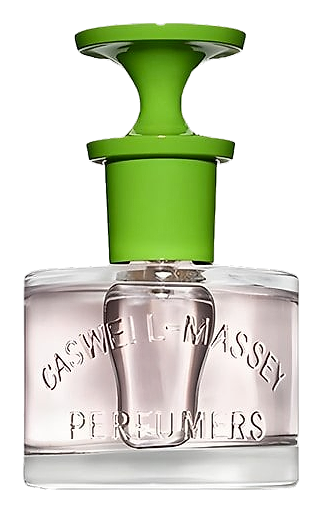
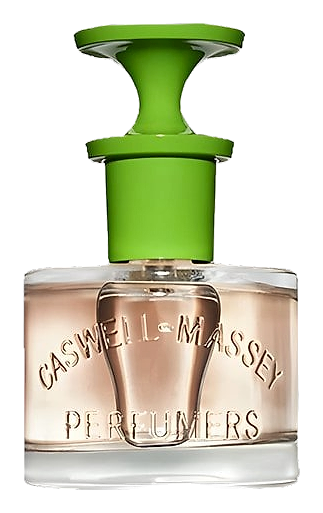
Constance Georges-Picot designed OAIRE to capture something essential about American fragrance heritage while remaining firmly rooted in modern taste. Drawing on Caswell-Massey's 1752 apothecary origins, she selected tarragon and sage for their crisp, herbal character reminiscent of New England gardens. The addition of osmanthus brings a subtle sweetness that bridges the gap between historic and contemporary, providing an unexpected softness amid the greenery. OAIRE embodies the idea that America's first fragrance house can create something that feels both timeless and of-the-moment.
The philosophy behind OAIRE's note selection prioritizes contrast and balance. Herbs and spices create natural tension, resolved by osmanthus's subtle sweetness and geranium's floral clarity. Cedarwood and suede represent the drydown's tactile warmth, while resinous notes provide the aromatic backbone that grounds everything. Each layer serves a purpose, creating a fragrance that rewards attention and evolves meaningfully on the skin. The result is a composition where no single element dominates, but all contribute to a unified impression.
The evolution
The fragrance begins with an immediate burst of citrus that quickly reveals tarragon and sage's green, herbaceous qualities. Within twenty minutes, Sichuan pepper and black pepper emerge, introducing warmth and a subtle numbing sensation that characterizes quality Sichuan pepper. Geranium brings a balancing green floral note while patchouli adds earthy complexity. As the heart develops, the composition becomes more cohesive, the spices and green elements blending seamlessly. The drydown introduces cedarwood's clean woodsy note, paired with suede for a refined, tactile quality. Resinous notes and musk complete the evolution, creating a warm, intimate base that remains close to the skin.
Cultural impact
Since its 2024 debut, OAIRE has become a talking point among niche collectors for reviving the classic fougère archetype with a distinctly modern twist. Its sharp herbal opening and peppery heart draw comparisons to heritage masculine scents, yet its balanced unisex profile invites a broader audience. Wearers often cite the fragrance as a statement of confident professionalism, making it a favorite for city dwellers who appreciate a scent that feels both historic and contemporary.
The House
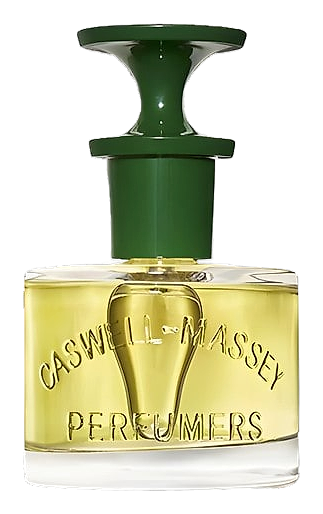
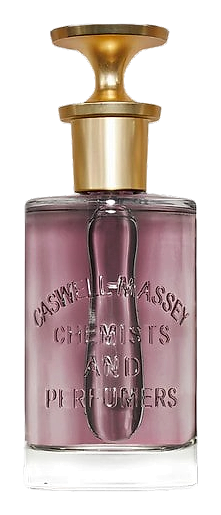
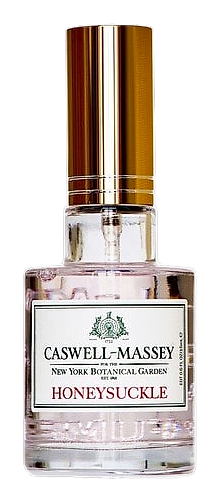
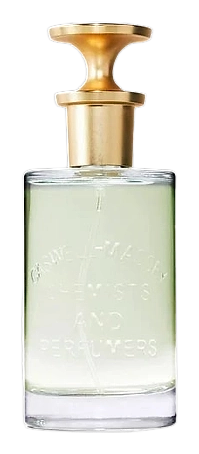
Caswell MasseyCaswell‑Massey stands as America’s first fragrance house, tracing its roots to a modest apothecary opened by Scottish‑born Dr. William Hunter on March 26, 1752 in Newport, Rhode Island. Over more than two and a half centuries the company has turned that early laboratory into a catalogue of classic scents such as Casma, English Lavender, and the historic No. 6, a fragrance George Washington is said to have favored. Today the brand balances its colonial heritage with a contemporary roster that includes modern releases like Distiller’s Lounge (2026) and Pure Frost (2012), offering collectors and everyday users a tangible link to the nation’s aromatic past.
The Creator
Constance Georges-PicotGeorges-Picot demonstrates a clear affinity for soft, elegant florals, particularly jasmine and orange blossom, tempered by warm woods like sandalwood. She has shown particular skill with musk compositions that read as intimate rather than heavy, a signature approach seen in t…