Heritage
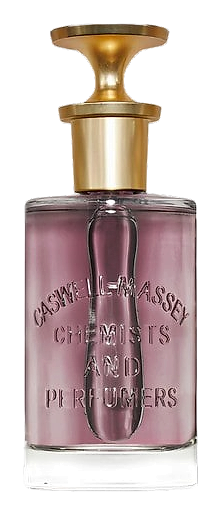
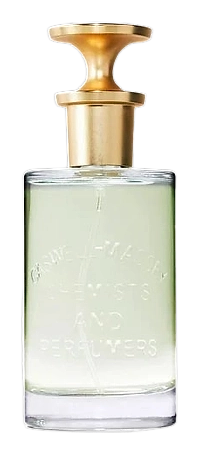
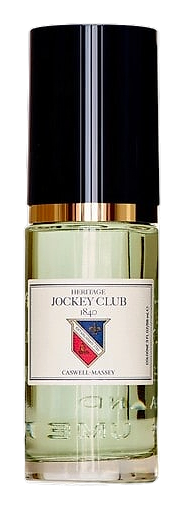
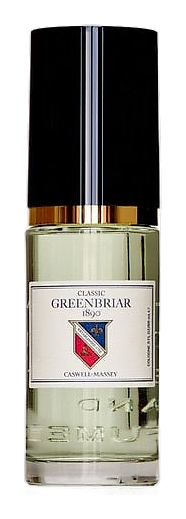
A house, in its own words
The story begins in 1752 when Dr. William Hunter, a physician who had emigrated from Scotland, opened a shop to dispense medicines and scented waters to the residents of Newport. Within a decade the business expanded to include a range of toiletries, and by the time the American Revolution erupted the shop supplied both civilian and military clients. In 1772 the house launched No. 6, a citrus‑spiced blend that later found a place in George Washington’s personal collection; contemporary letters record his appreciation for the scent. After the war the company survived the economic turbulence of the early republic, rebranding as Caswell‑Massey when the Caswell and Massey families joined the partnership in the early 19th century. The firm moved its headquarters to New York City in 1845, positioning itself near the burgeoning market for luxury grooming products. By the late 1800s the brand introduced a line of scented soaps that were advertised in newspapers across the Northeast. The Taylor family acquired the firm in 1933 and guided it through the Great Depression, World War II, and the post‑war consumer boom. During the 1950s Caswell‑Massey released a series of “signature” colognes, among them Damask Rose and English Lavender, which remain in production today. The 1970s saw the launch of the Jockey Club fragrance, a nod to the brand’s long‑standing association with equestrian culture. In the 21st century the house has embraced limited‑edition releases that reference its archival archives, such as Heritage Jockey Club (2017) and the recent Distiller’s Lounge (2026), while maintaining a steady line of classic scents. The company continues to operate from its New York headquarters, offering both historic reproductions and contemporary creations to a global clientele that values continuity and craftsmanship. Caswell‑Massey frames its work as a dialogue between history and the present moment. The brand believes that a fragrance should capture a specific time and place, whether that is the salty air of 18th‑century Newport or the crisp aroma of a modern Manhattan loft. Its creative team treats each formula as a research project, consulting original ledgers, historic perfume manuals, and surviving sample bottles to understand the proportions and ingredients used by early chemists. Sustainability enters the conversation through a commitment to source natural extracts from growers who practice responsible agriculture. When a botanical cannot be harvested without harming its ecosystem, the house seeks a synthetic analogue that matches the original scent profile, ensuring the final perfume respects both tradition and the environment. Transparency guides the brand’s communication with customers. Ingredient lists appear on product packaging, and the company publishes brief notes about the inspiration behind each scent, allowing wearers to connect the olfactory experience with its narrative roots. This approach reflects a broader value system that prizes honesty, durability, and a sense of shared heritage across generations.