
The Story
Why it exists.
The beginning
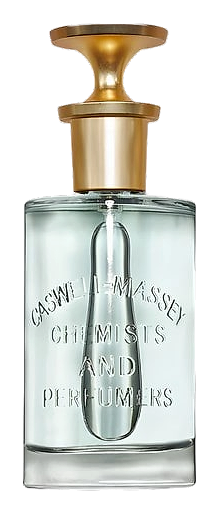
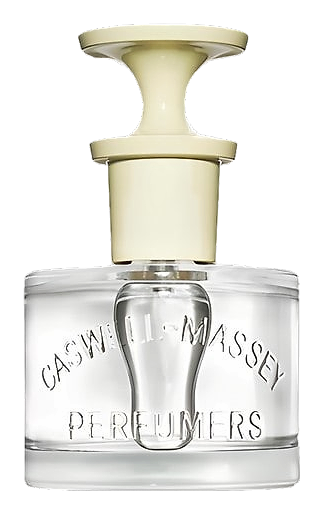
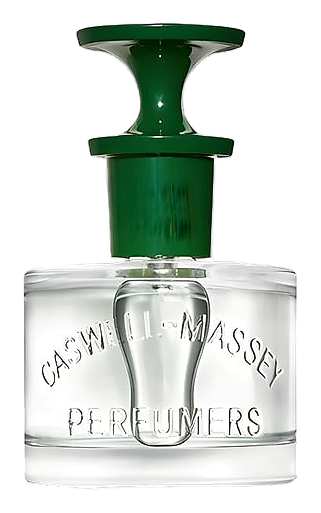
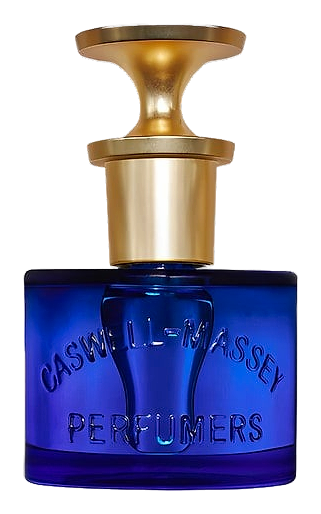
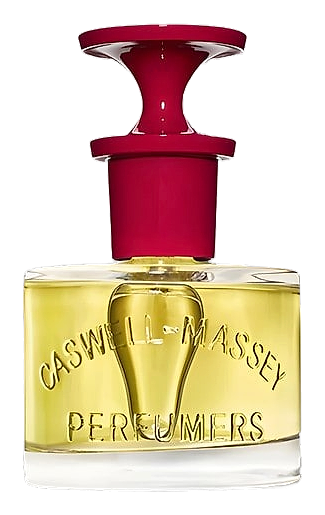
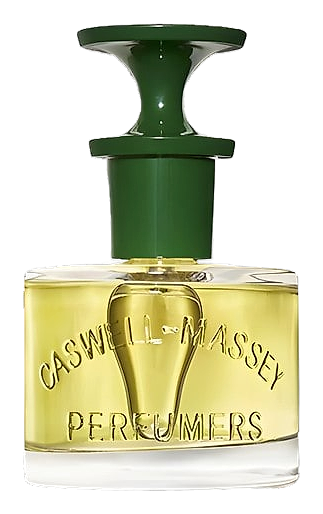
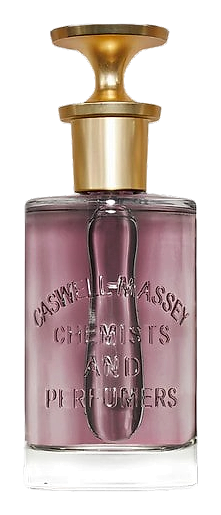
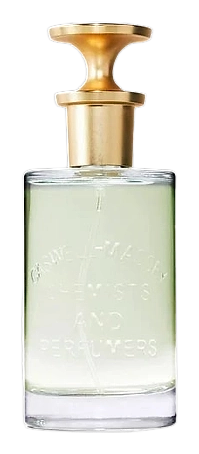
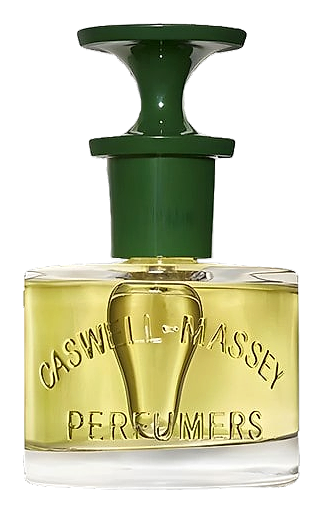
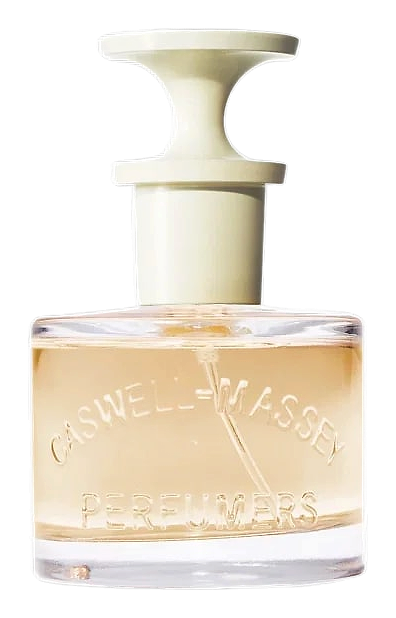
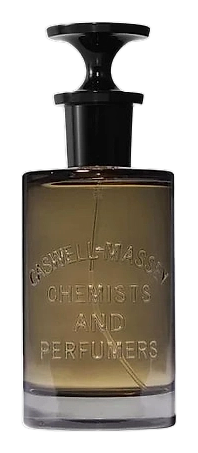
Number Six traces its roots to 1772, when Caswell-Massey first blended this formula at its Newport apothecary. More than two centuries later, in 2018, the house called on Laurent Le Guernec to remaster it. The brief was clear: keep the citrus-forward spine and aromatic complexity that made the original famous, but let modern techniques reveal what 18th-century chemistry couldn't. Le Guernec selected floral and herbal varieties true to the types of oils available when the fragrance was originally created. He combined these with newly available molecular captures, distillation, and blending techniques, building a bridge between two centuries of raw material science. The result is a cologne that wears its age without smelling dated. The bergamot and rosemary open clean and green. The dried rose and clove add warmth without heaviness. The lavender and white musk finish quietly, the way a well-made cologne should.
What makes Number Six work is the balance between brightness and depth. Bergamot and rosemary open the top, citrus and herb, a combination that reads as both fresh and grounded. Neither element dominates. The dried rose and clove in the heart add a spiced floral warmth that prevents the whole thing from flattening into just "clean." And the lavender base keeps it classic without going old-fashioned. Over 90% natural and sustainably produced oils. That matters. Synthetic-heavy compositions often smell louder but flatter faster. Number Six builds its longevity differently, materials that develop slowly, hold their shape through the drydown, and leave a clean, intimate trail rather than a cloud.
The evolution
The opening arrives clean. Bergamot leads, bright and citrusy, with rosemary's herbal edge right behind it. There's an immediacy here, no hesitation, no warm-up. Within minutes the dried rose and clove enter the heart, softening the citrus sharpness into something warmer and more complex. The transition is smooth, almost gentle. By the second hour the lavender and white musk have settled in. The top notes fade but don't disappear, they thin out, leaving a quiet herbal-citrus echo beneath the base. The white musk keeps things close, intimate, skin-warm. This is not a fragrance that announces itself. It breathes beside you. Into the third and fourth hours, the drydown reads as clean and slightly floral, with the clove's spice still faintly present. On some skin types it wears closer and shorter; on others it holds the six-hour mark comfortably. The next day, there's no trace, just the memory of something well-made that knew when to leave.
Cultural impact
Number Six occupies a particular corner of the fragrance world: heritage colognes with restrained sillage and natural-leaning compositions. In a market where projection often reads as power, this is a fragrance for someone who doesn't need their scent to announce itself. George Washington's documented appreciation gives it a gravity that newer releases can't manufacture. In a landscape of loud, performative fragrances, Number Six offers something quieter, and, for the right wearer, more memorable.
The House
Caswell MasseyCaswell‑Massey stands as America’s first fragrance house, tracing its roots to a modest apothecary opened by Scottish‑born Dr. William Hunter on March 26, 1752 in Newport, Rhode Island. Over more than two and a half centuries the company has turned that early laboratory into a catalogue of classic scents such as Casma, English Lavender, and the historic No. 6, a fragrance George Washington is said to have favored. Today the brand balances its colonial heritage with a contemporary roster that includes modern releases like Distiller’s Lounge (2026) and Pure Frost (2012), offering collectors and everyday users a tangible link to the nation’s aromatic past.
The Creator
Laurent Le GuernecLaurent’s style leans on precise, clean structures. He favors bright citrus, crisp green notes, and nuanced fruit that sit on a subtle mineral base.