The Story
Why it exists.
The beginning
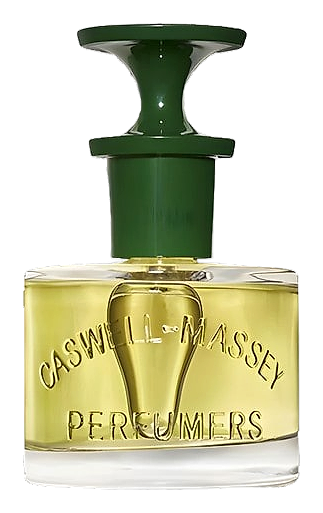
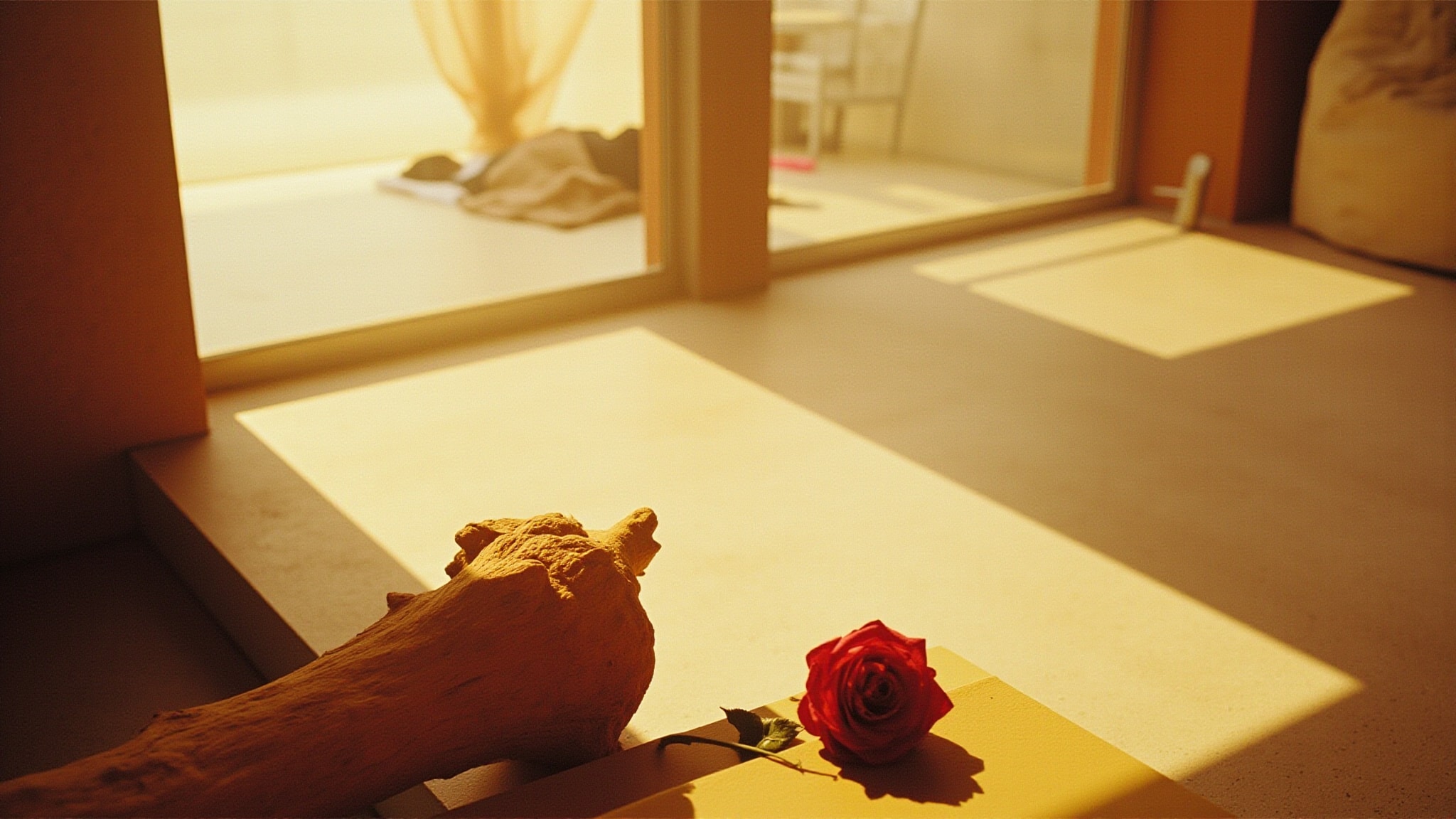
Laurent Le Guernec built Rose around a single idea: a rose that carries itself with conviction, not apology. The brief wasn't for a blush petal or a romantic abstraction. It was for the flower itself, present, structured, modern. The top notes of sparkling bergamot and tart blackcurrant arrive first, bright and direct. Rose follows, joined by fig for an unexpected green undertone. Musk and vetiver anchor the base, ensuring the whole composition stays grounded rather than dissolving into air. It's a contemporary feminine fragrance from an American house with roots stretching back to 1752, and it wears that heritage without acting like it.
The rose-and-fig pairing is less common than it should be. Fig tends toward marine or green fragrance families, but here it bridges the citrus opening and the floral heart in a way that feels organic rather than contrived. It adds a subtle creaminess without sweetness, which lets the rose assert itself without cloying. Meanwhile, vetiver and musk in the base create a drydown that resists the typical fate of rose fragrances, flattening or fading into laundry. This one stays close to the skin, present but not shouting.
The evolution
The bergamot and blackcurrant open with immediate brightness, crisp, tart, attention-grabbing. Within twenty minutes the rose enters, fully formed. Not a whisper of rose. The actual flower, with all its saturated petals and green stem. The fig reveals itself slowly, threading through the floral heart like a green current beneath a bloom. As hours pass, the musk and vetiver take over, creating a drydown that stays intimate. Moderate sillage. The kind that someone standing close will notice, then lean in.
Cultural impact
Rose Eau de Parfum launched in 2023 as Caswell-Massey's modern feminine entry. The 1752-founded house, America's oldest fragrance brand, has been dormant for years and reemerged with this rose-forward scent as a statement of heritage revived. The fragrance lands at a moment when consumers seek authenticity over opulence, and a rose that doesn't apologize for itself speaks directly to that shift.