
The Story
Why it exists.
The beginning
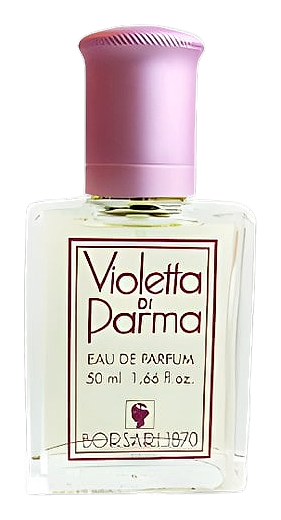
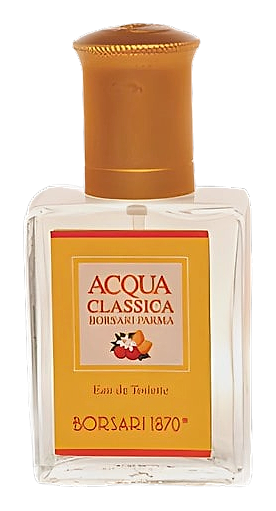
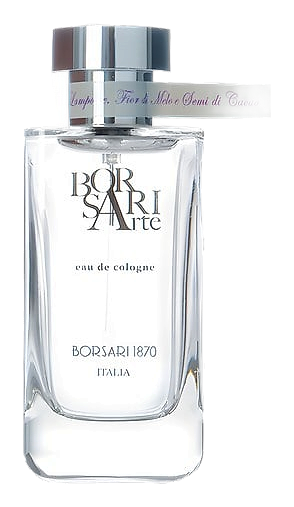
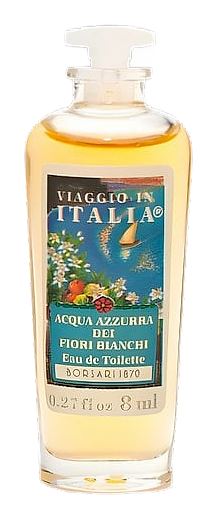
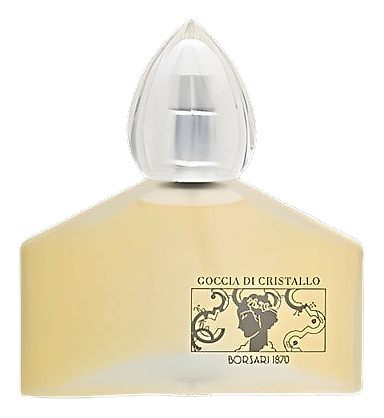
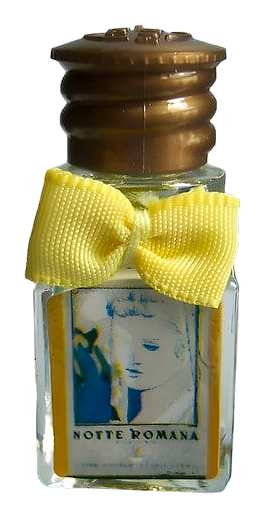
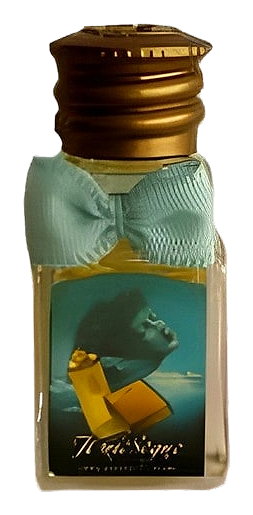
Seduzione arrived in 1920 from Borsari 1870, a Parma house whose name carries the date of its founding. Parma sits in Emilia-Romagna, and the house was among the regional makers known for traditional compositions in the violet-water and classical Italian floral vein. Seduzione wears that lineage. The name translates plainly: seduction, though what the bottle actually offers is gentler than the word suggests. This is floral as atmosphere, as suggestion, as the hush before someone says your name. It is a composition that asks for proximity rather than projection, for the wearer who lets the scent arrive slowly, in close quarters, where it can do its quiet work without ever needing to announce itself.
What's notable about Seduzione is what it refuses to do. There's no sharp citrus opener shouting for attention, no animalic undertone pushing the composition past polite, no aggressive modern accord fighting against the formula's classical grain. It's a straightforward floral composition from the early 20th century, a period when restraint itself was considered a virtue in perfumery. The flowers carry the entire weight of the composition without leaning on louder materials to fill the space. The restraint is the statement.
The evolution
On skin, Seduzione opens with a cool wash of petals, the kind of clean floral lift that suggests fresh blooms rather than dense indolic whites. There's a faint brightness to the first minutes, a clarity that reads as crisp and composed without ever crossing into sharpness. Then the heart settles. The flowers lose their individual edges and merge into a single idea, a composed, unhurried floral impression that is sweet without being sugary and soft without losing definition. As the composition warms against the skin, that initial clarity deepens into something rounder and more intimate. The drydown is where it gets interesting. What started as a luminous floral accord warms into a quieter base, a soft, skin-like trace that smells less like perfume and more like the trace of someone who was here hours ago.
Cultural impact
Seduzione sits comfortably within the early 20th-century Italian floral tradition, the kind of scent built from classical Parma materials rather than contemporary accords. There's no aggressive marketing narrative or avant-garde positioning behind it; this is a vintage composition from 1920 that represents the era's understanding of feminine florals, composed, unhurried, and polite. Wearers who gravitate toward it tend to appreciate period fragrance and the quiet authority of scents that don't perform. It pairs naturally with the house's broader catalog of violet waters, colognes, and classical Italian floral work.