The Story
Why it exists.
The beginning
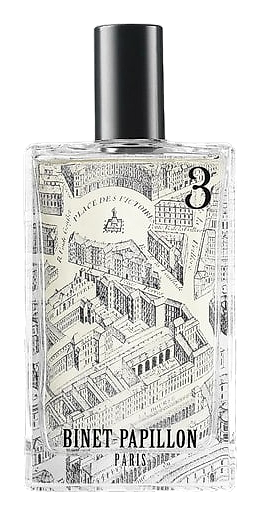
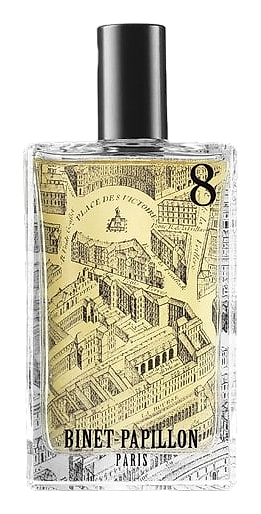
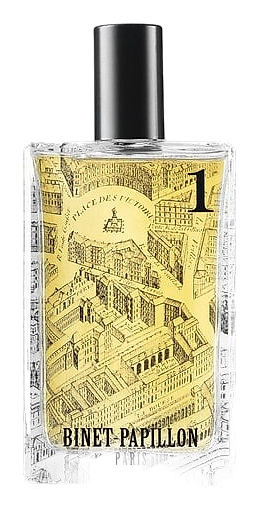
The first in Binet-Papillon's numbered series, Nº 1 Alkemist Pepper took its name from an unexpected source: a European moth species first catalogued in that same year, 1758. Perfumer Jean Sauvage built the composition around that alchemical idea, the transformation of one thing into another, ordinary matter becoming something stranger and more alive. The brief called for a scent that was unsweet, resinous, and read as blue-green rather than warm or floral. Sauvage answered with petitgrain's bitter brightness up top, a violet-labdanum heart, and a base of vetiver and styrax that anchors everything in smoke and bark.
The interesting choice here is what gets buried. Pepper and elemi announce themselves loudly enough to earn attention, but the structural weight lives lower, in labdanum and styrax, two resinous materials that share more DNA with church incense than with the bright citrus-woods most petitgrain leads suggest. Violet works as the bridge, its powdery ionones softening the resin edges without tipping the composition into something sweet or polite. Cistus enters alongside labdanum in the heart, lending a slightly medicinal, amber-like warmth that thickens the middle phase without making it heavy.
The evolution
Alkemist Pepper opens like a quiet conversation between a perfumer and their materials: petitgrain brings a green, leafy snap, elemi adds a lemony pine warmth, and black pepper waits just behind, ready to speak. As the first hour passes, the green notes soften and the pepper grows more present, dry and slightly smoky rather than sharp. By the second hour, the elemi resin deepens into a balsamic warmth, almost incense-like, anchoring the composition. In the drydown, what began as a crisp, clean opening settles into a woody-amber base that lingers close to the skin for hours, understated and confident throughout.
Cultural impact
Nº 1 Alkemist Pepper wears like a confident opening statement from a house committed to material-driven composition. It has carved out space among wearers who value specificity and density in their fragrances, those who read the note list first and want to know what they are getting before they ever spray. The fragrance communicates its intentions immediately and maintains that honesty throughout its wear, the kind of composure that comes from careful construction rather than aggressive projection. It does not chase trends or seek broad appeal, and that restraint has become central to how it is discussed and appreciated.
The House
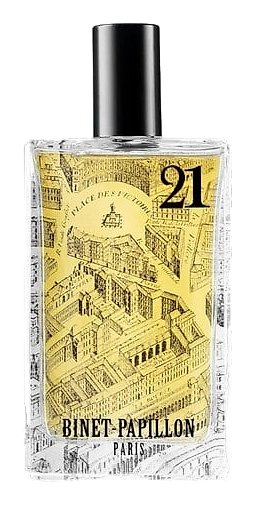
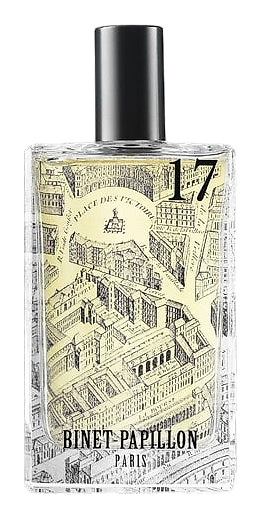
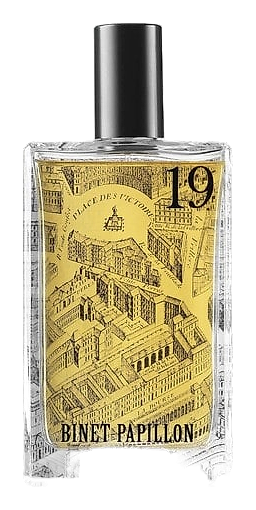
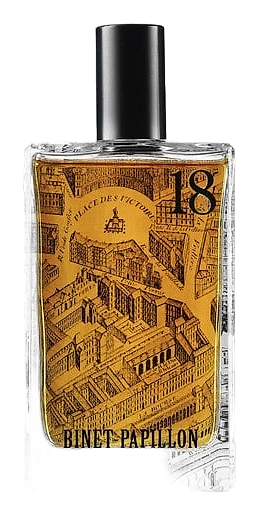
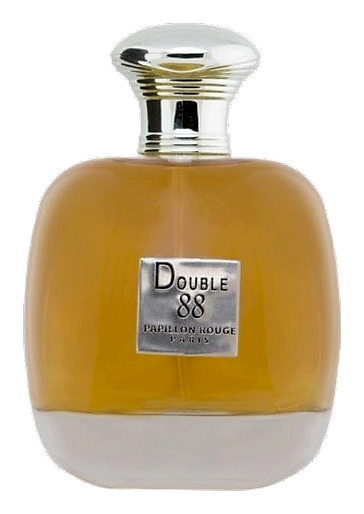
Binet-PapillonBinet-Papillon is an independent French perfume house based in Paris, founded in 2007 by Virginie Choné, a former executive at Guerlain. The house operates under the Atelier d'Art de France designation and maintains complete financial independence as a family-owned business. Originally established as Papillon Rouge, the house adopted the Binet-Papillon name to honor a lineage of 17th-century perfumers whose legacy it carries forward. The collection features bold, contemporary fragrances organized around thematic series, including the Patchouli series, numbered compositions, and spirit-named scents. Each fragrance carries a distinctive character, from the smoky leather of Cuir Grand Tigre to the warm cashmere notes of Patchouli P II Cachemire and the honeyed tobacco of Jungle Tobacco. The house occupies a distinctive position in the niche fragrance landscape, combining traditional French haute parfumerie techniques with an unconventional, artistic sensibility.
The Creator
Jean SauvageSauvage favors high-quality natural materials and is known for his structured, well-balanced compositions that lean classical without feeling dated. He gravitates toward citrus, aromatics, and woody base notes, building fragrances that open bright and dry down with quiet elega…