Heritage
A house, in its own words
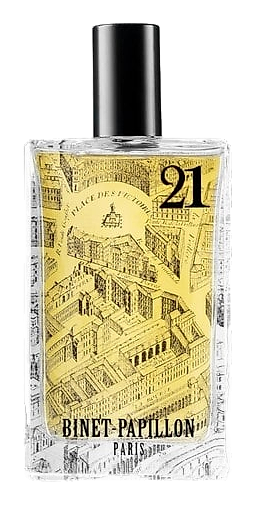
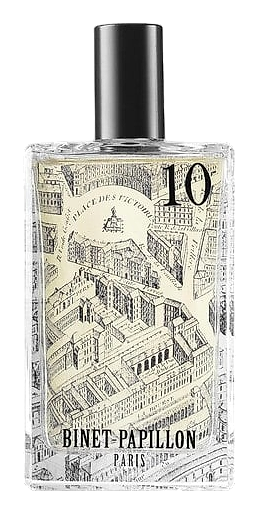
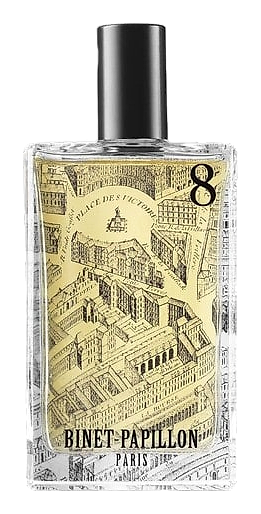
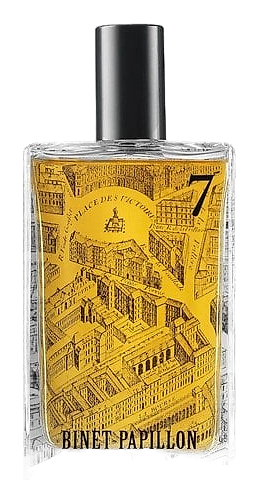
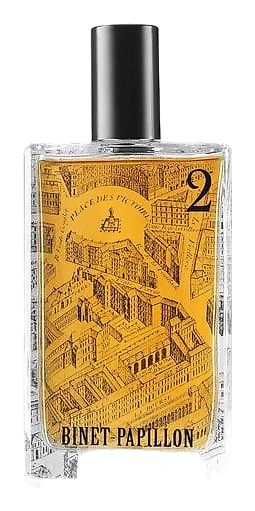
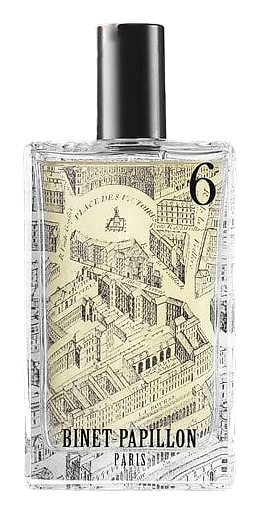
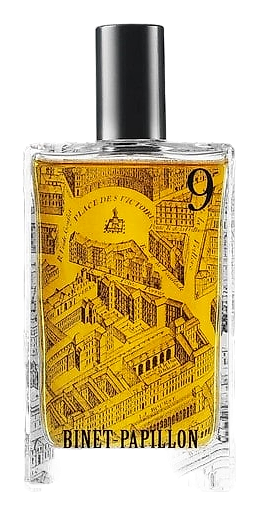
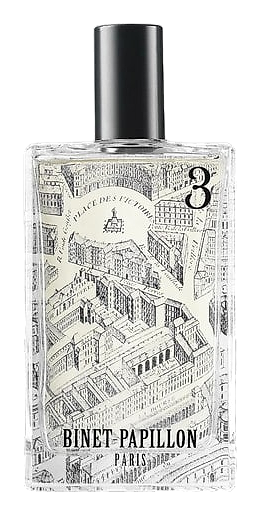
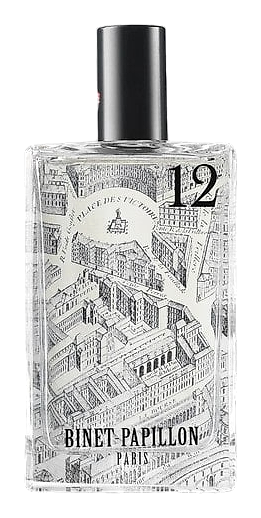
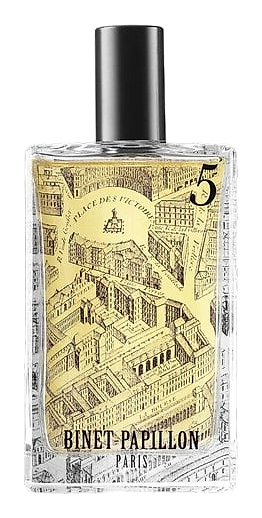
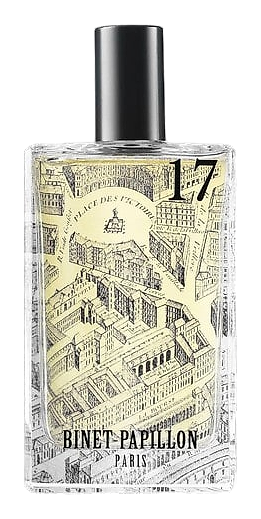
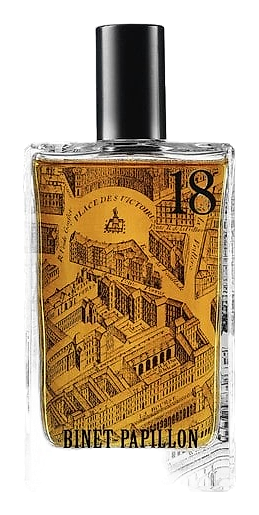
The house traces its origins to Virginie Choné, who established Papillon Rouge in 2007 after departing from Guerlain, where she held a directorial position in fine fragrances. Choné built her independent house in Paris with an emphasis on creative autonomy and artisanal excellence. The name Binet references an actual family of perfumers documented in 17th-century France, a historical connection that became formalized when the house rebranded as Binet-Papillon. This merger of names served to unite two legacies: the historical perfumery lineage of the Binet family and the contemporary vision of Papillon Rouge under Choné's direction. The house has maintained its status as a financially independent, 100% French operation throughout its existence. Its recognition as an Atelier d'Art de France distinguishes it among French artisanal producers. The fragrance catalogue grew steadily through the 2010s, with the Patchouli series and numbered compositions establishing the house's reputation for bold, unconventional scent construction. The house's structure as an independent, family-operated atelier has allowed it to pursue creative directions without external commercial pressures, a characteristic that distinguishes it from many niche competitors backed by larger entities. Binet-Papillon operates from the conviction that perfumery constitutes a form of artistic expression rather than mere commercial product. The house positions itself as a guardian of French haute parfumerie traditions while simultaneously pursuing contemporary boldness in composition. Fragrance names and themes often carry provocative or emotionally resonant connotations, from the questioning Pardonne-Moi to the militaristic Night-Fighter, signaling a willingness to venture beyond conventional fragrance aesthetics. The house maintains that independent, family-owned structures enable greater creative risk-taking than corporate-backed fragrance houses typically permit. This autonomy allows the perfumer to develop compositions driven by artistic impulse rather than market research or trend forecasting. The Patchouli series exemplifies this approach, exploring a single note through multiple distinct interpretations, each with its own emotional register and material complexity. The numbered compositions suggest an ongoing investigative process rather than a finished catalog, with the understanding that scent discovery remains perpetually open-ended.