Jean Sauvage
Jean Sauvage trained under master perfumer Jean-Pierre Drieu La Rochelle for eight years, an apprenticeship that shaped his rigorous, material-first approach to composition. He spent years as Director of Research and Development at Chanel, where he deepened his expertise in raw material evaluation and formulation science. In 2006, he moved to Dior as Perfumer-Creator, joining one of the most storied houses in perfumery and inheriting responsibility for some of its most cherished olfactory signatures. His transition from industrial R&D to artistic creation reflects a rare duality: the precision of a chemist and the intuition of an artist. Sauvage approaches fragrance as a living thing, something that must evolve on skin and carry emotional weight. He remains a somewhat private figure, letting his creations speak rather than chasing visibility, which has only deepened the reverence the industry holds for him.
The hits
Notable creations
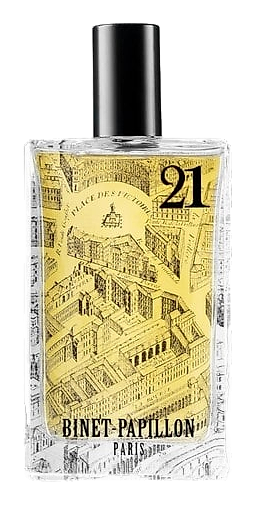
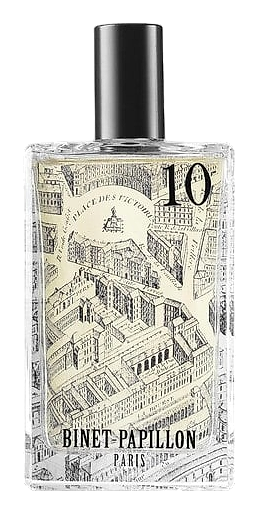
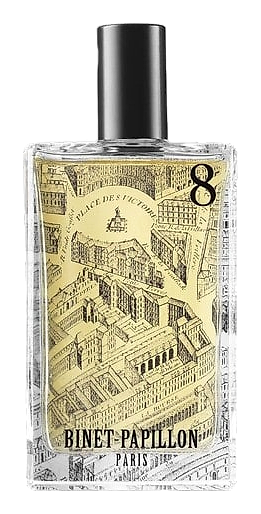
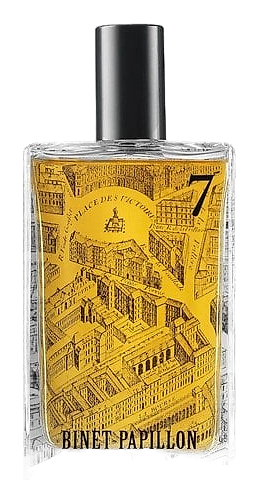
The signature
How Jean composes
Sauvage favors high-quality natural materials and is known for his structured, well-balanced compositions that lean classical without feeling dated. He gravitates toward citrus, aromatics, and woody base notes, building fragrances that open bright and dry down with quiet elegance. His work demonstrates exceptional longevity and silage, the result of careful concentration work learned during his years in R&D. He has a particular affinity for overdose techniques when appropriate, pushing certain materials to their expressive limits without sacrificing wearability. His aesthetic could be described as refined and understated, favoring craftsmanship over spectacle. Sauvage is selective about his projects, which has kept his output relatively small but consistently refined.
Philosophy
What drives Jean
Sauvage believes that a fragrance must earn its place through honesty of materials and coherence of vision. He resists trend-driven composition, preferring instead to ask what a scent needs to say rather than what the market expects to hear. His creative process begins with a single ingredient that captivates him, then builds outward from there. He has spoken about the importance of restraint, the discipline of knowing when a composition is finished. For Sauvage, perfumery is not about complexity for its own sake but about clarity of expression, each note serving the whole. He draws influence from classical music and architecture, disciplines that share perfumery's concern with proportion, harmony, and the passage of time.
The houses