
The Story
Why it exists.
The beginning
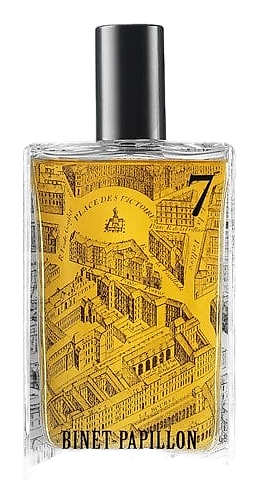
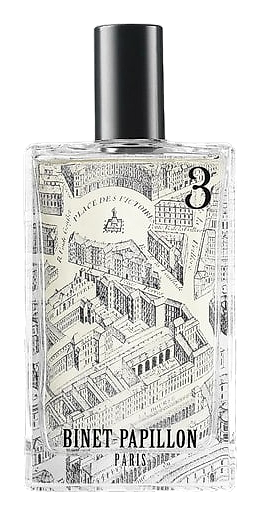
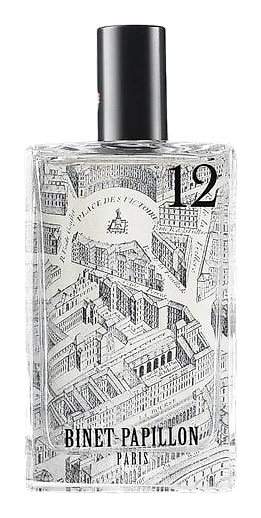
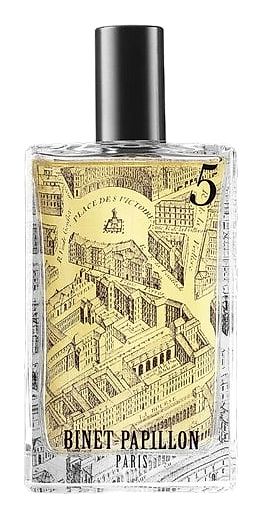
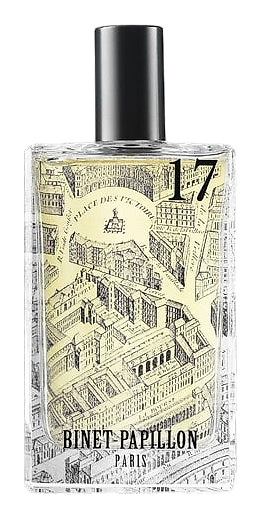
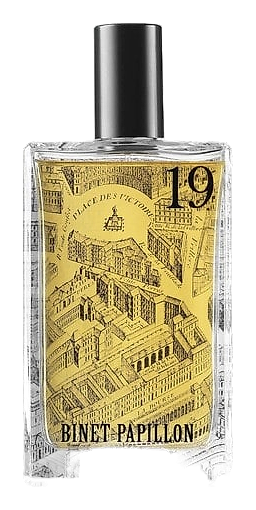
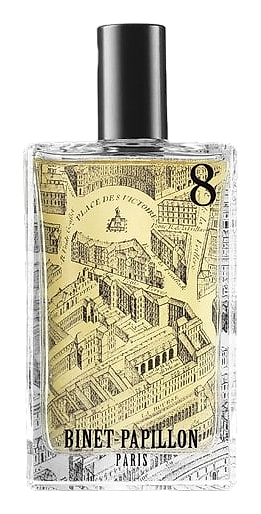
Nº 8 Myrrh Blood-Drop takes its name from a moth discovered in 1819, an unlikely muse for a fragrance built on oriental intensity. The composition opens with a specific tension in mind: the brief, startling moment where a citrus bright cuts into something metallic, almost animal, before dissolving into resinous depth. The name references that initial sharpness, the blood-drop precision of the opening. What follows is all warmth, all smoke, all myrrh. The contrast arrives immediately, the flash of something bright that refuses to stay innocent. The interplay between citrus and resin creates a narrative arc that moves from confrontation to comfort, each phase informing the next in a composition that rewards attention.
The structure is deceptively simple: bright top, smoky heart, dark base. But the execution makes it work. Tangerine and saffron arrive together, the saffron adding depth to the citrus that grounds the opening. The incense doesn't wait for the drydown, it threads through the cedar while the top notes are still present, creating a transitional phase that feels natural. Oud and patchouli in the base provide structure, with the myrrh adding complexity that balances the overall composition.
The evolution
The opening hits immediately, tangerine that's been spiked with something metallic, a quality that recalls the fragrance's name without being literal about it. The saffron reinforces this sharpness, adding complexity that prevents the citrus from reading as cheerful. The incense takes over next, smoke curling through the composition while the cedar provides structure. Cedar arrives, providing a woody counterweight to the smoke. From there, the composition settles into its darkest register. Oud and patchouli anchor everything, with myrrh adding a warm finish that lingers long after the smoke clears. The oud will still be detectable on fabric the next morning, a faint warmth that persists.
Cultural impact
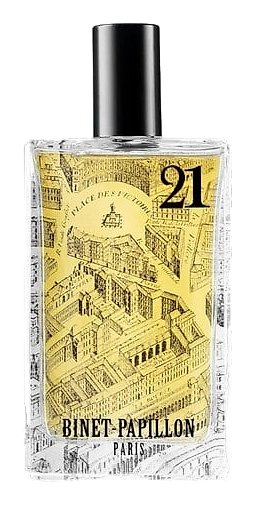
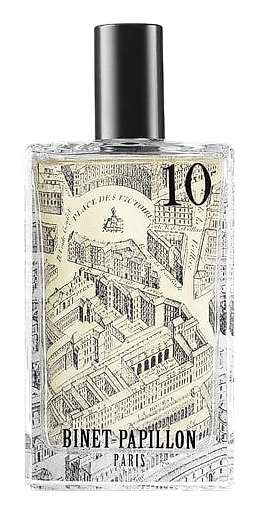
Part of Binet-Papillon's numbered series, Myrrh Blood-Drop is a fragrance that sparks conversation. The metallic citrus opening draws attention, prompting discussion among those who encounter it. The drydown brings oud and myrrh together, creating something that rewards patient wear. This combination represents the house's approach to layering intensity with depth, making an impression that lingers beyond the initial spray.
The House
Binet-PapillonBinet-Papillon is an independent French perfume house based in Paris, founded in 2007 by Virginie Choné, a former executive at Guerlain. The house operates under the Atelier d'Art de France designation and maintains complete financial independence as a family-owned business. Originally established as Papillon Rouge, the house adopted the Binet-Papillon name to honor a lineage of 17th-century perfumers whose legacy it carries forward. The collection features bold, contemporary fragrances organized around thematic series, including the Patchouli series, numbered compositions, and spirit-named scents. Each fragrance carries a distinctive character, from the smoky leather of Cuir Grand Tigre to the warm cashmere notes of Patchouli P II Cachemire and the honeyed tobacco of Jungle Tobacco. The house occupies a distinctive position in the niche fragrance landscape, combining traditional French haute parfumerie techniques with an unconventional, artistic sensibility.
The Creator
Jean SauvageSauvage favors high-quality natural materials and is known for his structured, well-balanced compositions that lean classical without feeling dated. He gravitates toward citrus, aromatics, and woody base notes, building fragrances that open bright and dry down with quiet elega…