
The Story
Why it exists.
The beginning
Rose Impolie takes its name from a butterfly species first documented in 1758, an origin that reflects the fragrance itself: delicate at first glance, unexpected in reality. The name suggests something that doesn't follow the expected path, and the composition delivers exactly that. Rather than placing rose at the center, the fragrance weaves it throughout as a subtle presence, never overpowering the blend but providing a quiet floral undertone that shifts in response to the citrus and spice around it. The yuzu opens bright and tart, while ginger adds warmth and a hint of spice that gives the scent its distinctive edge. Together, these elements create a fragrance that feels both refined and surprising, challenging assumptions about what a rose perfume can be.
The most interesting choice here is the inversion. In Rose Impolie, the yuzu and ginger lead, bright, tart, spicy, and the rose follows. It arrives not as a statement but as a response, shaped by the cardamom warmth around it and the myrrh dryness beneath it. The rose doesn't fade into the background. It's a rose that listens, adapts, and that makes all the difference. Cardamom wraps it in warmth while myrrh provides a dry, resinous foundation, so the floral element feels present but never dominant.
The evolution
The opening hits sharp, yuzu and blackcurrant creating an electric citrus burst before the florals begin to stir. Then the rose arrives. Not as a bouquet, not as a declaration. More like a question answered quietly, wrapped in cardamom's warm spice. The heart phase holds for a few hours, the ginger keeping everything grounded while the rose deepens slightly, gaining body but never sweetness. As the composition shifts, the myrrh takes over, dry, resinous, intimate. The rose becomes subtle or disappears entirely at this stage, leaving behind a quiet warmth that sits close to the skin. The ginger persists throughout, a thread of warmth running beneath the myrrh's clean dryness, creating a finish that feels intimate and restrained.
Cultural impact
Rose Impolie offers a structure that puts the flower in conversation with ingredients it usually dominates. Rather than building around rose as the star, the fragrance uses it as a supporting element, present but never dominant, always in dialogue with the yuzu and ginger that give the scent its structure. This approach creates something genuinely unconventional, a rose fragrance built around restraint rather than declaration. The unconventional approach will appeal to those seeking something with actual complexity, offering a structure that challenges assumptions about what a rose perfume can be.
The House
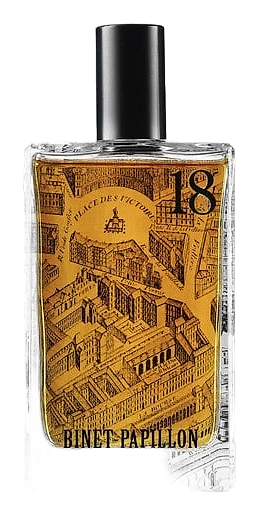
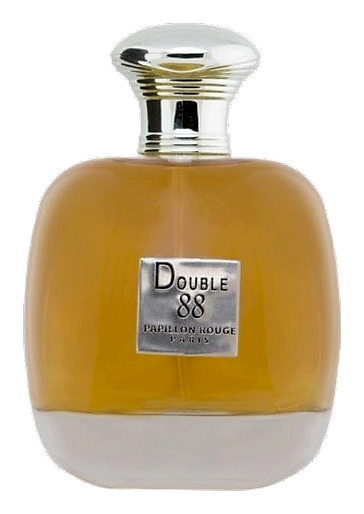
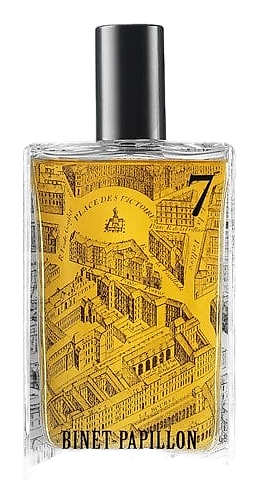
Binet-PapillonBinet-Papillon is an independent French perfume house based in Paris, founded in 2007 by Virginie Choné, a former executive at Guerlain. The house operates under the Atelier d'Art de France designation and maintains complete financial independence as a family-owned business. Originally established as Papillon Rouge, the house adopted the Binet-Papillon name to honor a lineage of 17th-century perfumers whose legacy it carries forward. The collection features bold, contemporary fragrances organized around thematic series, including the Patchouli series, numbered compositions, and spirit-named scents. Each fragrance carries a distinctive character, from the smoky leather of Cuir Grand Tigre to the warm cashmere notes of Patchouli P II Cachemire and the honeyed tobacco of Jungle Tobacco. The house occupies a distinctive position in the niche fragrance landscape, combining traditional French haute parfumerie techniques with an unconventional, artistic sensibility.
The Creator
Jean SauvageSauvage favors high-quality natural materials and is known for his structured, well-balanced compositions that lean classical without feeling dated. He gravitates toward citrus, aromatics, and woody base notes, building fragrances that open bright and dry down with quiet elega…