
The Story
Why it exists.
The beginning
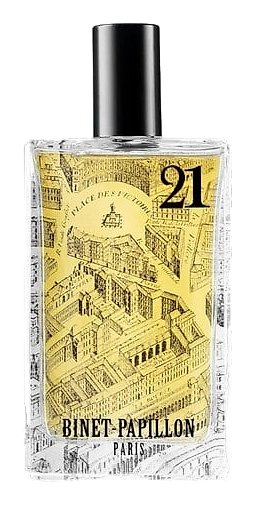
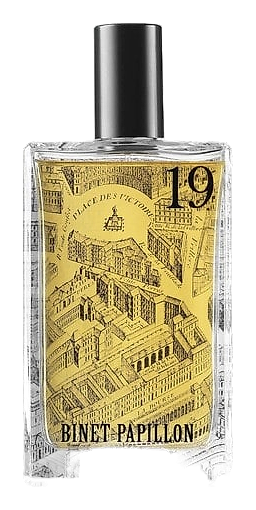
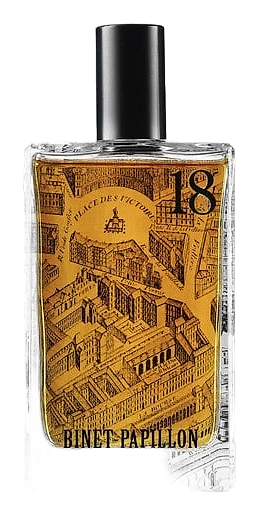
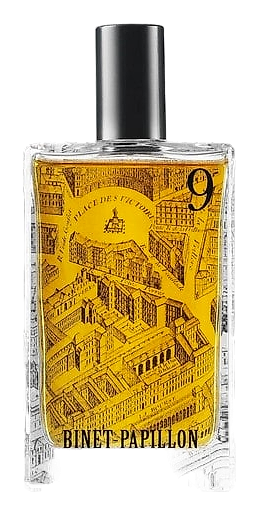
The name nods to a butterfly. Patchouli Monarque borrows its title from the monarch, a butterfly discovered in North America in 1758. But there's a second reference buried in the fragrance's marketing: a Voltaire line, "What! You are monarch and yet still love me?", that suggests something unexpected. The power beneath the crown. Perfumer Jean Sauvage built Nº 9 around that tension. Patchouli, the material people associate with incense and counterculture, given a noble framing. The 2015 release explored what happens when you treat patchouli as the finest thing in the composition rather than a backdrop. The result is a scent that feels both grounded and regal, with a depth that rewards patience.
The note structure strips away everything unnecessary. Two top notes. Two heart notes. Two base notes. No excess. Heliotrope gives the opening a certain softness, a powdery quality that makes patchouli approachable before patchouli even arrives. Immortelle adds a honeyed, slightly medicinal warmth that French perfumery has treasured for centuries. Then the heart: patchouli and vetiver, together, earthy and green. Vetiver is the counterweight. It keeps the patchouli from going heavy or sweet.
The evolution
The opening is brief. Heliotrope announces itself first, that soft, slightly sweet quality, then immortelle takes over, the honeyed, slightly waxy warmth that smells like memory. Patchouli doesn't storm in. It arrives. Quiet at first, then slowly claiming territory. Vetiver keeps things green, keeps the sweetness from overwhelming. The heart is where this fragrance earns its name. Warm earth, resinous depth, a quiet monarch on its throne. Then the drydown: Labdanum and Amber settling into something warm and close, present but not projecting, lingering on the skin for hours after the initial application. The entire experience unfolds gradually, with each stage revealing new facets of the patchouli's character.
Cultural impact
Nº 9 sits comfortably in the Patchouli series, a house that clearly believes one aromatic material deserves sustained, varied exploration. For wearers who find most patchouli fragrances too heavy or too skanky, this one offers a different proposition: patchouli with restraint, warmth, and enough heliotrope to keep things interesting. It's not trying to convert anyone. It's for those who already know.
The House
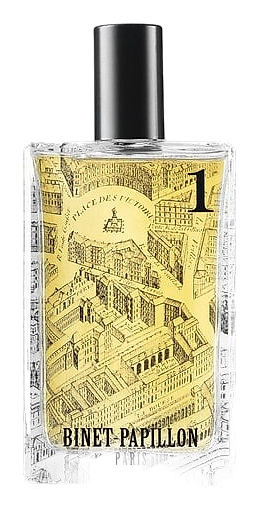
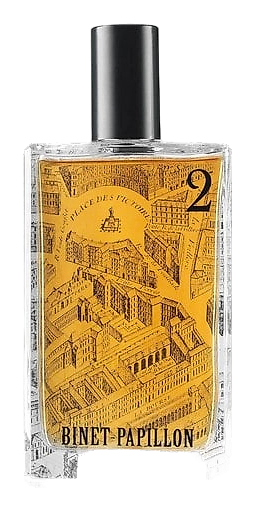
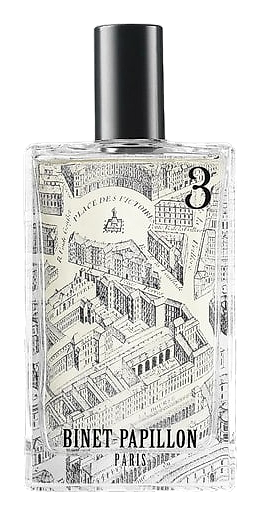
Binet-PapillonBinet-Papillon is an independent French perfume house based in Paris, founded in 2007 by Virginie Choné, a former executive at Guerlain. The house operates under the Atelier d'Art de France designation and maintains complete financial independence as a family-owned business. Originally established as Papillon Rouge, the house adopted the Binet-Papillon name to honor a lineage of 17th-century perfumers whose legacy it carries forward. The collection features bold, contemporary fragrances organized around thematic series, including the Patchouli series, numbered compositions, and spirit-named scents. Each fragrance carries a distinctive character, from the smoky leather of Cuir Grand Tigre to the warm cashmere notes of Patchouli P II Cachemire and the honeyed tobacco of Jungle Tobacco. The house occupies a distinctive position in the niche fragrance landscape, combining traditional French haute parfumerie techniques with an unconventional, artistic sensibility.
The Creator
Jean SauvageSauvage favors high-quality natural materials and is known for his structured, well-balanced compositions that lean classical without feeling dated. He gravitates toward citrus, aromatics, and woody base notes, building fragrances that open bright and dry down with quiet elega…