
The Story
Why it exists.
The beginning
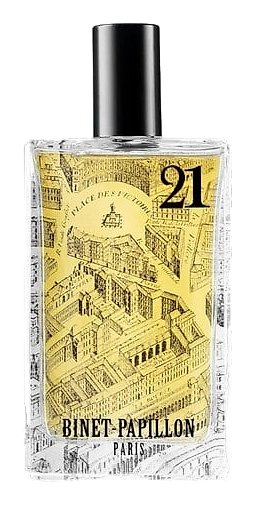
Jean Sauvage built Nº 21 around a single tension: bitter espresso against something creamy and white. The concept was a grand cru coffee, serious, dark, complex, softened by magnolia's subtle floral warmth. Not a juxtaposition. A negotiation. The coffee needed magnolia to become wearable. The magnolia needed coffee to become interesting. Together they became something the brand describes as an addictive potion. Subtle and creamy. Totally addictive.
What makes this structure work is the hand-off. Coffee arrives first and announces itself without apology. Then magnolia slides in underneath, not replacing, just softening. The combination of coffee liqueur and lactonic florals creates something gourmand without being food-like. Musk in the base ensures the drydown stays intimate, warm, close. The notes don't compete. They take turns.
The evolution
The coffee opens sharp and liqueur-sweet, bitter espresso softened by something vanilla-adjacent. It announces itself and then, about twenty minutes in, magnolia begins to bloom underneath. Creamy, white, almost dreamy. The two notes negotiate rather than fight. Coffee grounds the florals; magnolia keeps the coffee from being too serious. Then the musk settles in. Intimate. Warm. Close. By the second hour, it's skin-warm and personal, the kind of scent someone notices when they're already leaning in.
Cultural impact
Nº 21 Magnolia Underground arrived in 2023 at a moment when coffee was becoming a dominant note in niche perfumery, but most interpretations leaned dark, smoky, and masculine. Binet-Papillon disrupted this trend by softening the genre with magnolia, positioning the scent as a bridge between masculine coffee fragrances and feminine floral compositions. The house itself operates on deliberate controversy, naming releases after numbers and provoking conversation about what fragrance is supposed to smell like. This 2023 launch amplified that conversation, drawing attention from collectors who track how niche perfumery challenges mainstream conventions.
The House
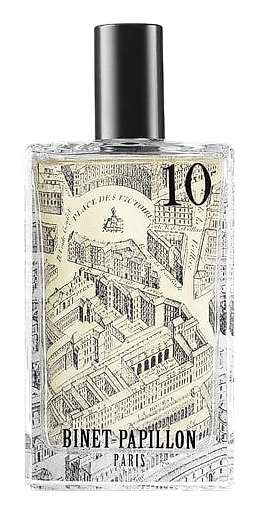
Binet-PapillonBinet-Papillon is an independent French perfume house based in Paris, founded in 2007 by Virginie Choné, a former executive at Guerlain. The house operates under the Atelier d'Art de France designation and maintains complete financial independence as a family-owned business. Originally established as Papillon Rouge, the house adopted the Binet-Papillon name to honor a lineage of 17th-century perfumers whose legacy it carries forward. The collection features bold, contemporary fragrances organized around thematic series, including the Patchouli series, numbered compositions, and spirit-named scents. Each fragrance carries a distinctive character, from the smoky leather of Cuir Grand Tigre to the warm cashmere notes of Patchouli P II Cachemire and the honeyed tobacco of Jungle Tobacco. The house occupies a distinctive position in the niche fragrance landscape, combining traditional French haute parfumerie techniques with an unconventional, artistic sensibility.
The Creator
Jean SauvageSauvage favors high-quality natural materials and is known for his structured, well-balanced compositions that lean classical without feeling dated. He gravitates toward citrus, aromatics, and woody base notes, building fragrances that open bright and dry down with quiet elega…