Coffee Liqueur
A warm, boozy accord that captures the dark richness of roasted espresso steeped in spirits. This indulgent note brings gourmand depth and addictive warmth to fragrance compositions.
Character
How it smells
Dark, boozy, irresistibly warm.
Coffee ranks as the second most traded commodity globally, with over 2.25 billion cups consumed worldwide each day.








Origin
Ethiopia
Coffee's journey began around 850 CE in the Ethiopian highlands, where Ethiopian legend tells of goatherd Kaldi discovering its stimulant properties after observing his flock's unusual energy. The plant crossed the Red Sea to Yemen, where Sufi mystics brewed it as 'qahwa' to stay alert during nocturnal devotions. By the 1600s, coffeehouses had spread across the Ottoman Empire and into Europe, becoming hubs of intellectual exchange from London to Paris.
European colonists later carried coffee cultivation to the Americas, shaping the global commodity trade we know today. The roasted, bitter, intoxicating aroma entered perfumery relatively recently, when advanced extraction methods made its complex character available to fragrance creators seeking gourmand warmth and depth.
Wears it best
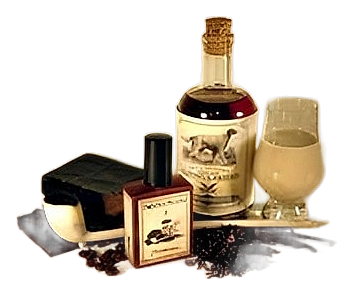
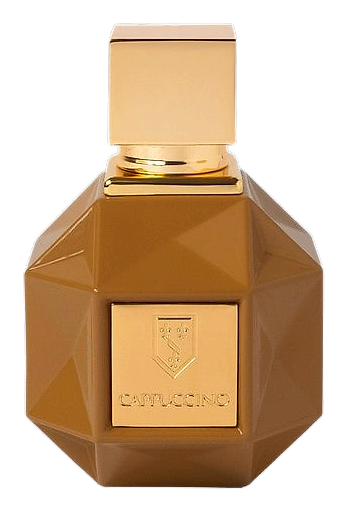
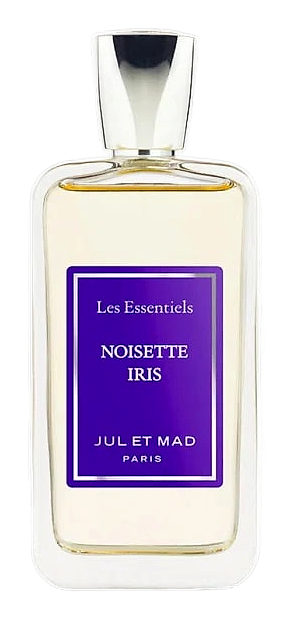
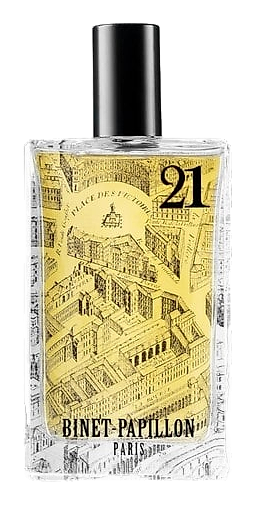
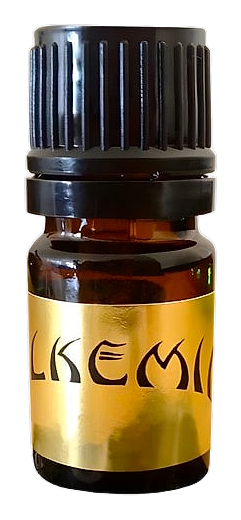
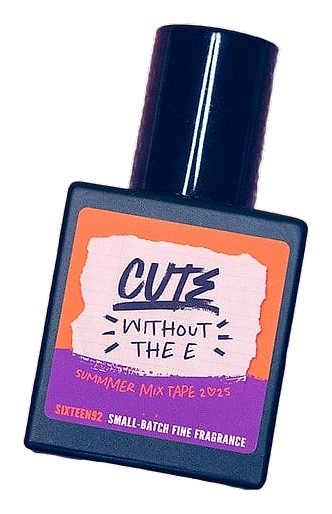
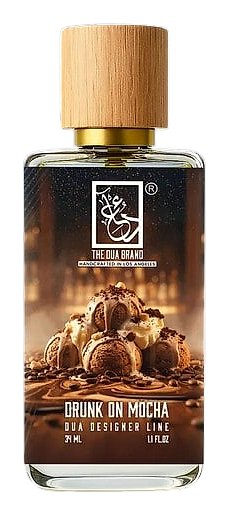
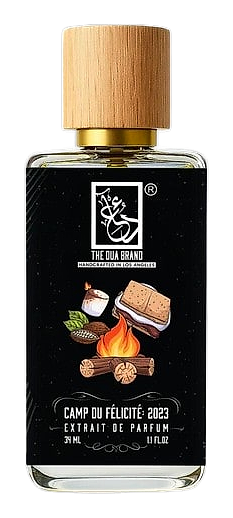
Fragrances featuring Coffee Liqueur
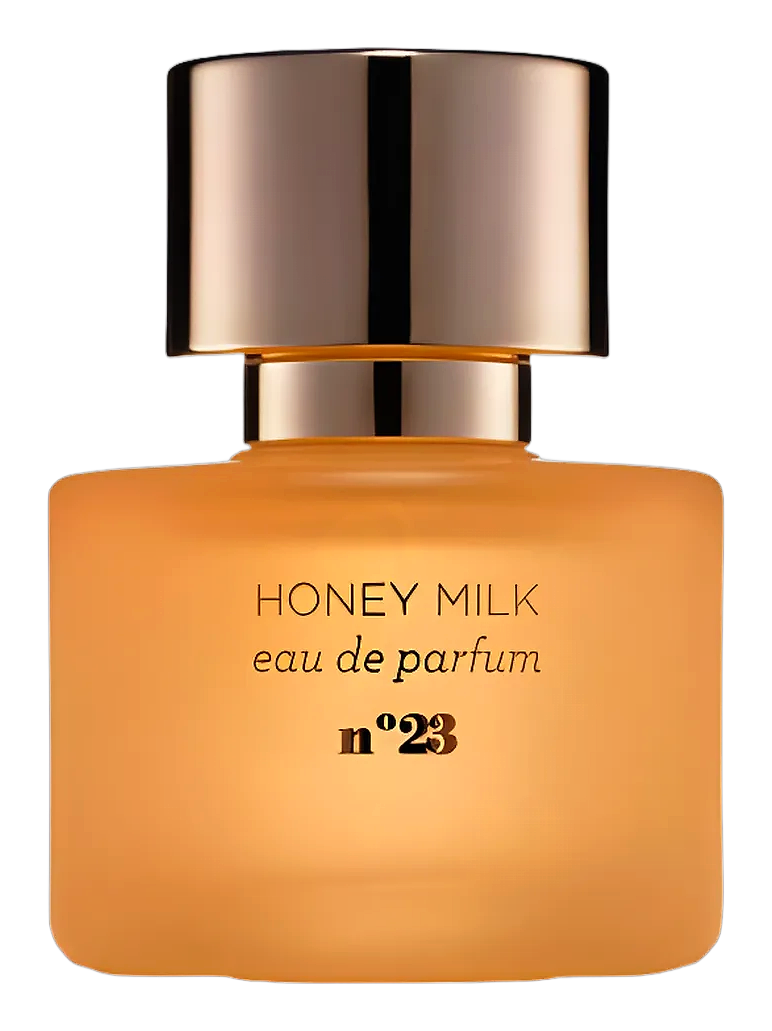
Brands
Brands known for Coffee Liqueur
Good to know
Questions, answered
The essentials on Coffee Liqueur in perfumery: how it smells, where it comes from, and how it behaves on skin.
What does coffee liqueur smell like in perfume?
Coffee liqueur reads as warm, sweet, and boozy with roasted depth. It blends the bitterness of dark roast with caramel-like sweetness and an alcoholic warmth that evokes after-dinner indulgence.
Is coffee liqueur a natural or synthetic ingredient in perfumery?
It functions as a reconstructed accord combining natural coffee extracts with synthetic modifier molecules. Pure naturals like coffee absolute or CO2 extract provide the roasted base, while materials like ethyl maltol add the characteristic sweet, liqueur-like quality.
Where does the coffee used in perfumery originate?
Coffee traces its origins to Ethiopia, where wild plants still grow in highland forests. Ethiopian coffee remains highly prized for its complex, wine-like character and bright acidity.
How do perfumers extract fragrance from coffee?
Supercritical CO2 extraction and solvent extraction are the primary methods. CO2 extraction captures the fullest range of roasted aroma compounds, while solvent extraction yields coffee absolute with excellent fragrance impact.
What fragrance families pair well with coffee liqueur?
Coffee liqueur anchors oriental, gourmand, and fougère compositions. It complements vanilla, tonka bean, caramel, tobacco, and amber, adding warmth and depth to these families.
Can coffee liqueur stand as a solo note in a fragrance?
Yes, several fragrances build their entire identity around coffee. These typically layer multiple coffee materials including CO2 extract, absolute, and reconstructed elements for a rich, multidimensional effect.
What role does roasting play in coffee's fragrance?
Roasting transforms green coffee's grassy, vegetal character into the complex, brown, roasted aroma perfumers seek. Darker roasts produce more intense, bitter notes, while lighter roasts retain sweeter, more acidic qualities.
How is coffee liqueur different from actual coffee liqueur in cocktails?
The fragrance note captures the aroma impression of liqueurs like Kahlua without the actual alcohol or sugar content. It uses coffee extracts combined with sweet, warm molecules to evoke that spirit-like character.