The Story
Why it exists.
The beginning
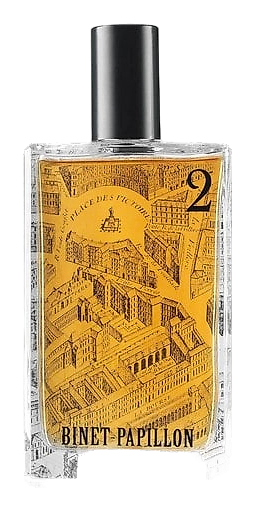
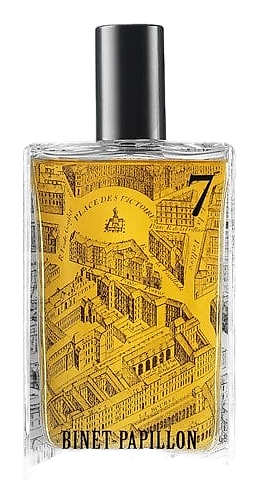
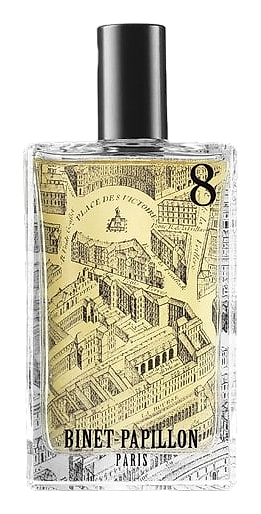
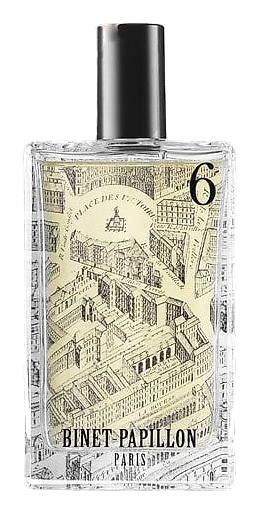
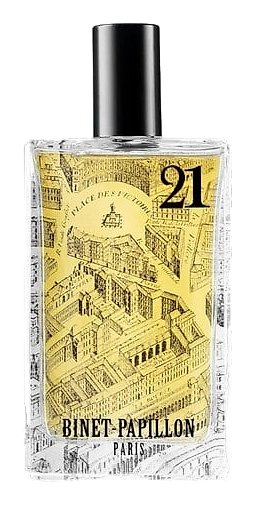
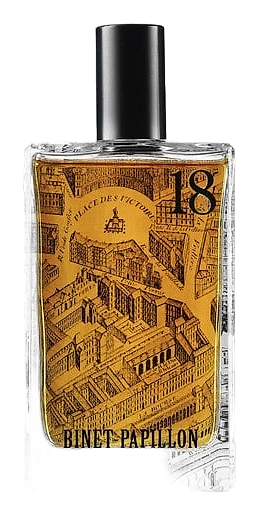
Jean Sauvage composed Jungle Tobacco for Binet-Papillon in 2017, giving the house's numbered series a fragrance built around the tension between sweetness and untamed woods. The official framing is unapologetically regal: a honeyed opening sharpened by floral Heliotrope, then carried toward the raw character of Oud. White Tobacco settles into the center, but this isn't a dry, smoky leaf study. Tobacco acts as the thread between powdery iris, cardamom warmth, tonka sweetness, and a resinous base. The result carries the name with composure, turning Jungle Tobacco into a portrait of wilderness made polished rather than untamed.
The unusual part is how gently Jungle Tobacco handles its darkest materials. Oud could easily dominate, yet iris softens its edges and tonka bean rounds the sweetness beneath. White Tobacco provides the idea, not a literal cigar-shop effect. Pairing it with Heliotrope and cardamom gives the composition an almost edible warmth, while the powdery iris makes the whole thing feel polished. It's a study in contrast: floral and dry, sweet and resinous, regal and rooted in the wild.
The evolution
The first impression is bright, honeyed, and lightly floral, with Cardamom adding a clean pulse beneath Heliotrope's soft floral character. As the opening settles, White Tobacco becomes the center of gravity, but Iris keeps the atmosphere powdered and polished rather than letting the composition become dry or flat. The base then takes over: Tonka Bean gives the sweetness a rounded, creamy edge, while Oud brings resin, depth, and a faint woody smoke. By the later hours, the scent feels less like a literal jungle and more like polished wood in humid evening air. As it continues to wear, the darker woody notes remain close to the skin, supported by a sweet trail that feels restrained rather than heavy. The woods provide the lasting shape, leaving a soft, dark impression.
Cultural impact
Jungle Tobacco offers a distinctive exploration of tobacco through a combination of floral, sweet, powdery, and woody notes. White Tobacco forms the central thread, while Cardamom and Heliotrope create a bright opening and Iris adds a soft, polished quality. As the composition develops, Tonka Bean brings a rounded sweetness and Oud adds resin, depth, and a faint smoky wood character. The result is a fragrance that can be read as tactile and atmospheric, moving from airy spice and flowers toward a darker, smoother trail as it wears.
The House
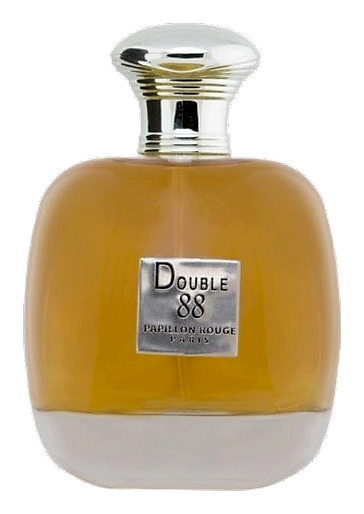
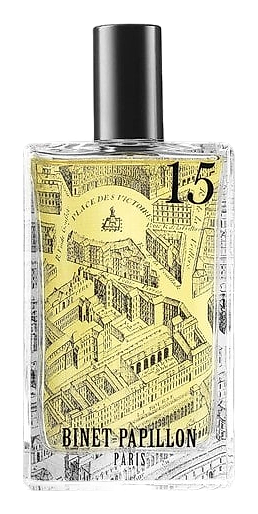
Binet-PapillonBinet-Papillon is an independent French perfume house based in Paris, founded in 2007 by Virginie Choné, a former executive at Guerlain. The house operates under the Atelier d'Art de France designation and maintains complete financial independence as a family-owned business. Originally established as Papillon Rouge, the house adopted the Binet-Papillon name to honor a lineage of 17th-century perfumers whose legacy it carries forward. The collection features bold, contemporary fragrances organized around thematic series, including the Patchouli series, numbered compositions, and spirit-named scents. Each fragrance carries a distinctive character, from the smoky leather of Cuir Grand Tigre to the warm cashmere notes of Patchouli P II Cachemire and the honeyed tobacco of Jungle Tobacco. The house occupies a distinctive position in the niche fragrance landscape, combining traditional French haute parfumerie techniques with an unconventional, artistic sensibility.
The Creator
Jean SauvageSauvage favors high-quality natural materials and is known for his structured, well-balanced compositions that lean classical without feeling dated. He gravitates toward citrus, aromatics, and woody base notes, building fragrances that open bright and dry down with quiet elega…