
The Story
Why it exists.
The beginning
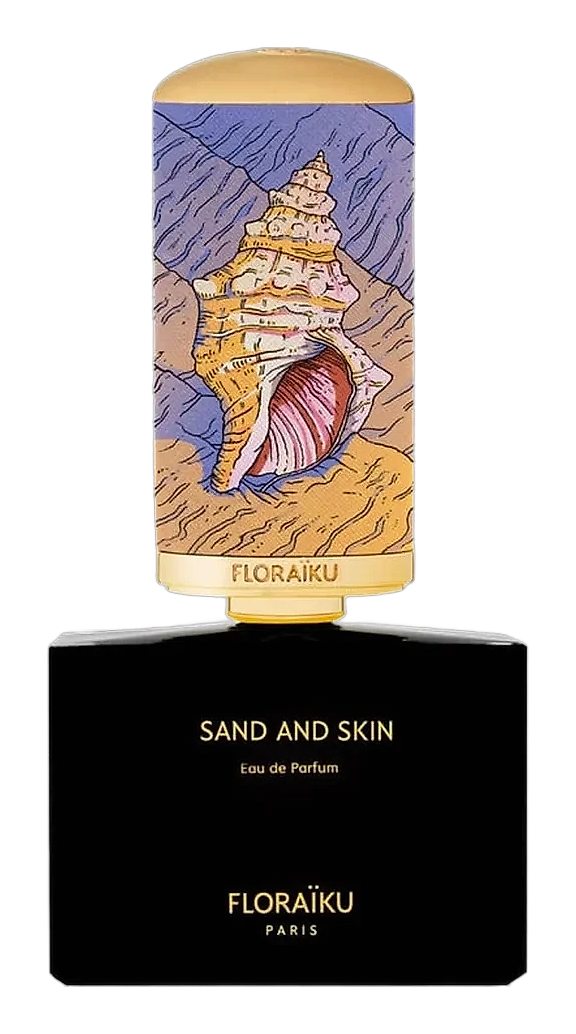
Floraïku's Forbidden collection draws from the Kōdō ceremony, the Japanese art of appreciating incense. Each fragrance in the collection is named after a haiku, and Sand and Skin translates a specific sensory moment captured in verse: the feeling of warm sand beneath bare feet, sun moving across skin like a slow tide. The collection treats fragrance as ritual, with packaging that turns the act of opening into ceremony. Sand and Skin specifically captures the intersection of warmth and skin, translating that intimate moment into scent.
The note selection reflects Floraïku's approach of building fragrance around specific sensory moments rather than abstract concepts. Lysylang and Mahonial capture the bright, almost metallic warmth of sun on skin, while Ylang-Ylang and Sandalwood create the intimate connection between body and warmth. The woody heart notes represent the grounding element of sand, and the balsamic drydown completes the image of warmth that comes from within. The pairing of warm florals with creamy woods and sweet resins creates a fragrance that genuinely evokes the sensation it describes.
The evolution
The fragrance opens with Lysylang and Mahonial, two modern aroma chemicals that create an immediate impression of sun-warmed skin and delicate floralcy. Lysylang brings a clean, watery lily quality while Mahonial adds powdery honey notes that feel like golden light. As the fragrance develops, Ylang-Ylang emerges with its tropical, almost narcotic sweetness, blending with Sandalwood's creamy milk and Cedarwood's dry shavings. Dominican Amyris softens the woody heart while Patchouli adds an earthy counterweight. The drydown reveals the fragrance's true warmth: Bourbon Vanilla's sweet cream, Labdanum's amber resin, and Benzoin's soft balsamic quality. This evolution mirrors the haiku's subject, moving from the sensation of sand and sun to the deeper warmth of skin itself.
Cultural impact
Sand and Skin draws from the Japanese Kōdō incense ceremony, which translates to the 'way of incense' and dates back to the 8th century. Floraïku's Forbidden Incense collection uses this ceremonial framework to shape its perfumery narrative, using terms like incense, perfume, and ritual to frame each bottle. The house was founded by John dem and Clara Molloy, who named their brand after 'fleur' and 'haiku' to blend poetic structure with olfactory art. Sand and Skin specifically references the sensory overlap of warm skin and warm sand, a concept common in fine fragrance but here grounded in personal intimacy rather than beach tourism.