The Story
Why it exists.
The beginning
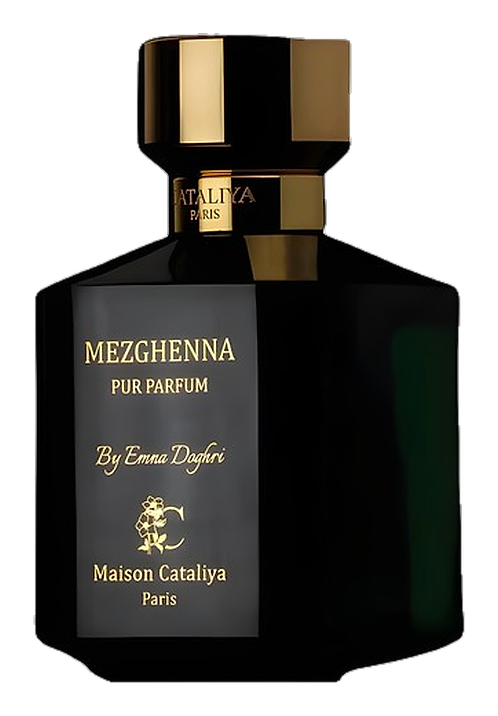
Mezghenna takes its name from the Berber tribe of Beni-Mezghenna, who descended from the Atlas Mountains in the 8th century and settled the site that would become Algiers. A city of contrasts: ancient Berber roots beneath a Mediterranean skyline, narrow kasbah streets opening onto a modern harbor. Perfumer Emna Doghri translated that duality into scent, the woody, aromatic character of the Atlas highlands paired with the liveliness of black pepper, a spice that has moved through North African trade routes for centuries.
The composition mirrors Algiers itself: bergamot and black pepper open like the city's bright coastal air, mineral and sharp under the North African sun. Guaiac wood and ginger form the heart, warm, resinous, rooted. The real artistry lives in the base. Vanilla and iris don't just round things out; they soften the edges and let frankincense linger like memory. Each layer deliberate. Each transition earned.
The evolution
The opening lands crisp and electric. Bergamot cuts clean, black pepper follows thirty seconds later, a quick jab of warmth before the composition settles. Guaiac wood takes over within ten minutes, bringing its resinous, slightly tarry smoke. The bergamot doesn't disappear; it retreats, becoming part of the background texture. By the second hour, vanilla emerges. It grows, soft and sweet, while iris adds its powdery, violet-adjacent grace. The frankincense never shouts, it curls underneath, present but patient. The pepper never fully disappears either. A thread of warmth beneath the softness, keeping the base from becoming merely sweet. The drydown on skin is intimate. Moderate sillage means it stays close, a warm impression rather than a statement. On fabric, the vanilla amplifies. The incense deepens. The next morning, trace it back to skin: vanilla, warm resin, a ghost of pepper.
Cultural impact
Mezghenna draws its name from the Berber tribe of Beni-Mezghenna, who settled what became Algiers in the 8th century, establishing a cultural lineage that stretches across North Africa and the Mediterranean. This historical foundation informs every aspect of the fragrance, from its name to its blend of coastal brightness and warm inland spice. The perfume itself acts as a bridge between Mediterranean and North African olfactory traditions, combining European citrus and resin craftsmanship with the deeper, more resinous character of Saharan incense cultures. The name choice reflects a growing trend in niche perfumery toward reclaiming pre-colonial cultural identities, positioning Mezghenna not merely as a scent but as a statement of heritage.