Heritage
A house, in its own words
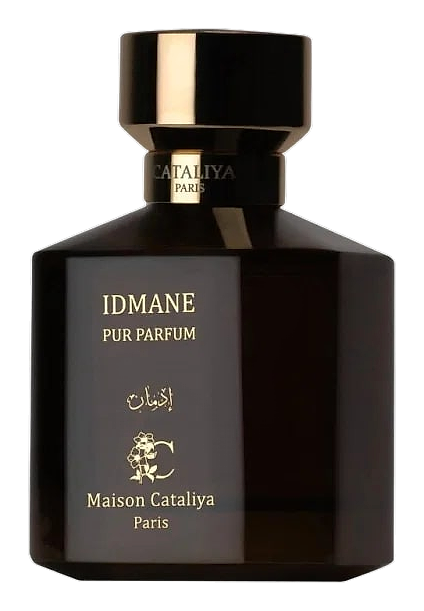
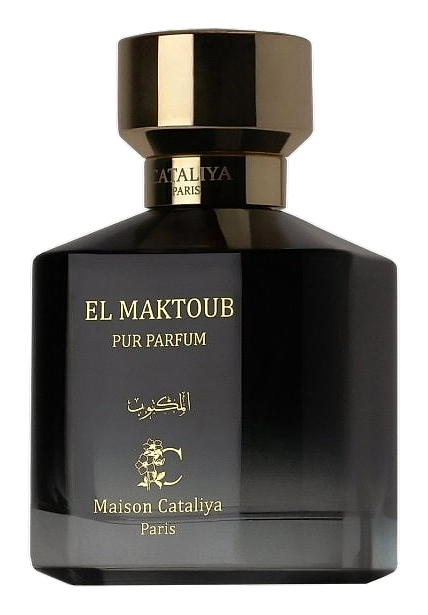
Maison Cataliya was founded by Ouafi Dahmane, who established the house as a vehicle for expressing cultural memory through scent. The name Cataliya itself carries echoes of Catalonian and Mediterranean lineage, though the precise linguistic roots are not widely documented in third-party sources. Dahmane's vision centers on heritage passed through generations, drawing from familial traditions and personal memories rather than institutional perfume education. The house presents itself as a young atelier working within the lineage of French luxury craftsmanship, though the specific year of founding has not been independently verified across multiple sources. Mediterranean culture serves as the primary creative wellspring, with North African, Moorish, and Southern European influences woven throughout the collection. The house positions Zellige mosaic art as both aesthetic and philosophical inspiration, treating each fragrance as a kind of architectural composition built from individual aromatic elements that create a unified whole when assembled. As a niche house, Maison Cataliya operates outside the mainstream fragrance industry, targeting collectors and discerning wearers who value narrative depth alongside olfactory quality. The creative philosophy of Maison Cataliya rests on a fundamental belief that fragrance is a form of cultural transmission. Rather than chasing seasonal trends or commercial appeal, the house constructs perfumes around stories, memories, and artistic traditions that deserve preservation. Zellige mosaic art exemplifies this approach: it is an ancient practice, demanding tremendous patience and precision, yet it produces work of enduring visual beauty. Maison Cataliya attempts to translate that same balance of effort and elegance into scent. Each fragrance is conceived as a fragment of a larger cultural mosaic, meant to stand alone while also contributing to a unified brand narrative. The house appears to favor complexity and layering, allowing multiple aromatic materials to coexist and interact rather than submitting to singular dominant accords. Mediterranean ingredients anchor many compositions, offering warmth, resinous depth, and sun-drenched character. The overriding aim seems to be creating perfumes that feel both timeless and deeply personal, serving as olfactory records of places, moments, and traditions that might otherwise fade from collective memory.