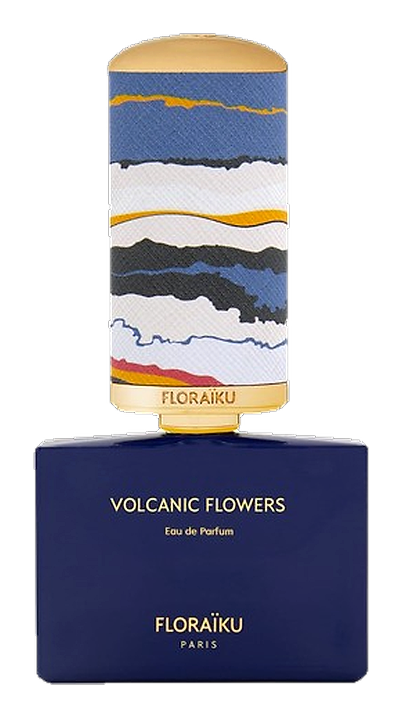
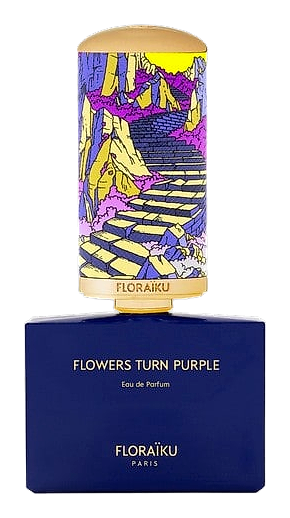
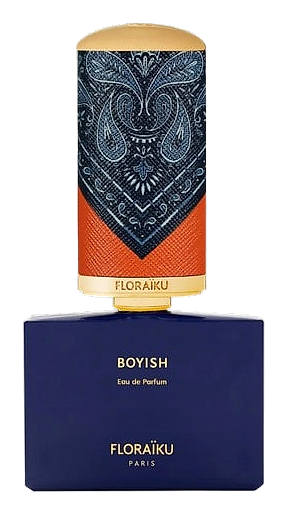
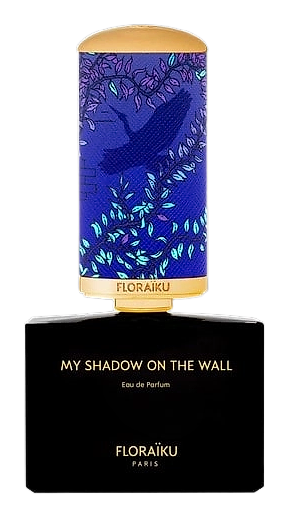
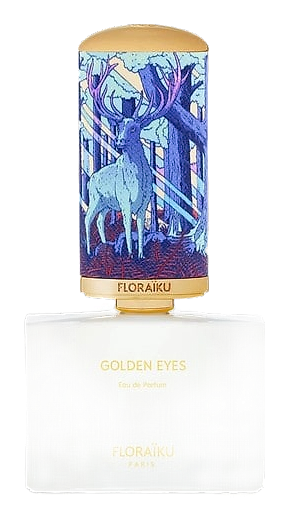
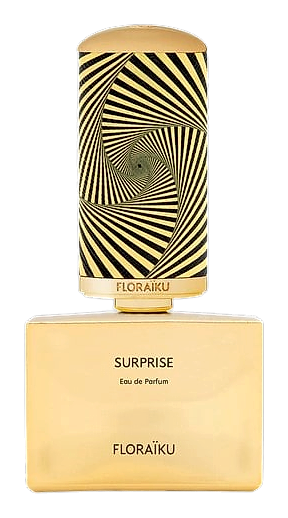
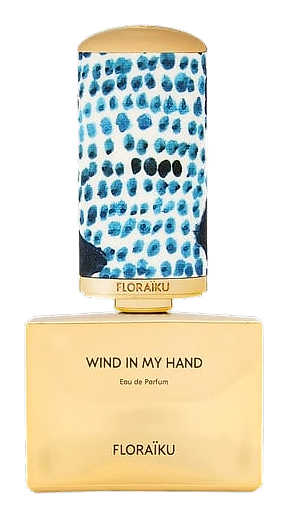
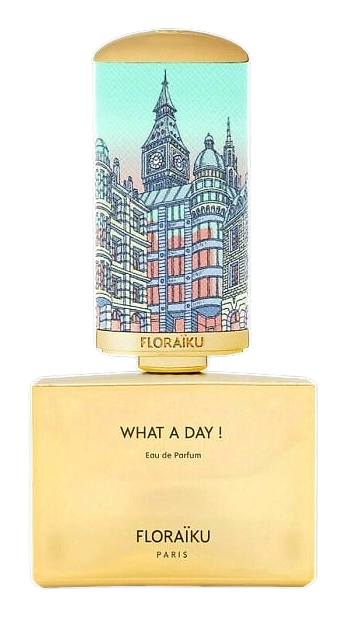
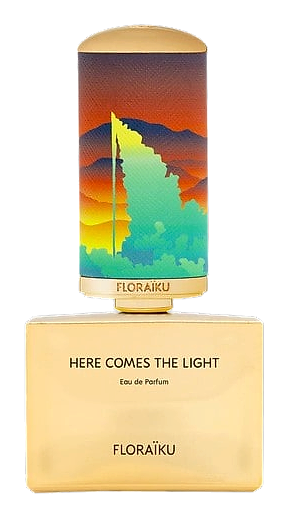
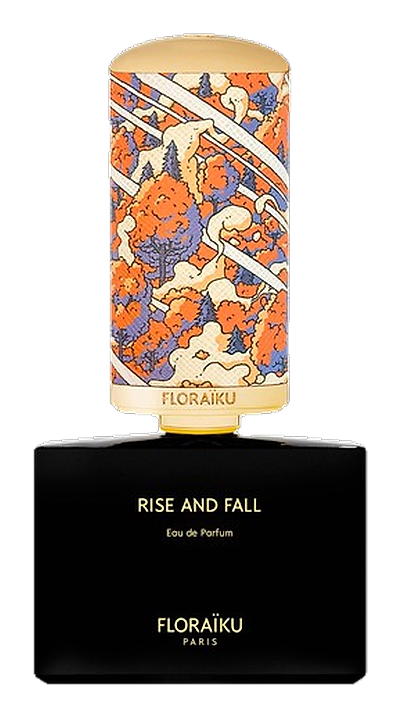
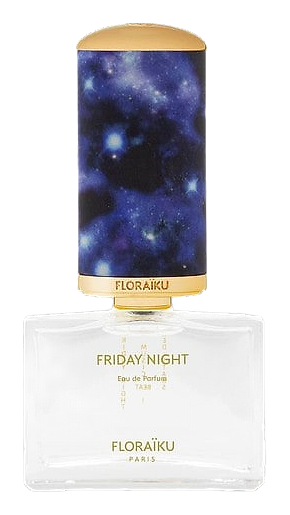
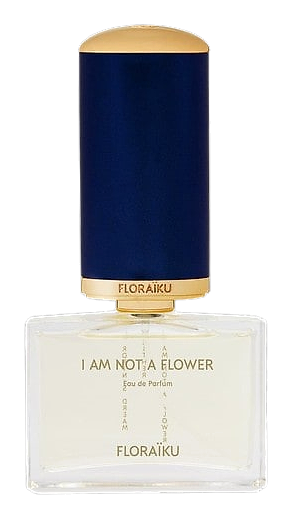
The Heritage
The Story of Floraïku
Floraïku Paris is a niche fragrance house founded in 2017 by Clara and John Molloy, the Irish-French couple behind Memo Paris. The brand draws its name from the fusion of two words: Flora, honoring the plant world and natural beauty, and Haïku, referencing the traditional three-line Japanese poetic form. Each fragrance arrives named after a haiku poem and organized into collections that pay tribute to Japanese ceremonies. The first launch in July 2017 introduced eleven fragrances. Working with perfumers including Alienor Massenet, Miroslav Petkov, Philippe Paparella-Paris, Yann Vasnier, Sarah Burri, and Sophie Labbe, the house has built a library that spans multiple collections. The Shadowing™ collection offers companion fragrances designed to layer with existing scents. The Forbidden Incense collection draws inspiration from the Kōdō ceremony, the Japanese art of appreciating incense. Initial retail distribution included an exclusive launch at Harrods in London.
Heritage
Clara and John Molloy established Memo Paris in 2007, building a niche fragrance house recognized for its travel-inspired compositions and poetic narratives. John Molloy, Irish by birth, spent five years working at Kenzo Fashion in Paris before co-founding Memo with Clara. Their experience developing Memo over a decade informed the strategy behind Floraïku's launch. A transformative trip to Japan introduced the Molloys to an approach to nature that resonated through literature, art, and daily practice. The encounter with Japanese culture and its meticulous attention to seasonal detail convinced them to create a separate house dedicated to this aesthetic. They named the brand Floraïku as a direct reference to the poetry form, selecting a name that honors both the natural world and literary brevity. The Molloys launched Floraïku in July 2017 with eleven initial fragrances, securing an exclusive debut at Harrods in London. The Harrods placement leveraged their existing relationships from Memo Paris, where retailers and fragrance press already recognized their work. The launch introduced three founding collections, each organized around a different Japanese ceremony. The tea ceremony inspired the first collection, ikebana flower arranging guided the second, and the incense appreciation ritual Kōdō informed the third. Each fragrance arrived with its own haiku poem printed alongside the scent name.
Craftsmanship
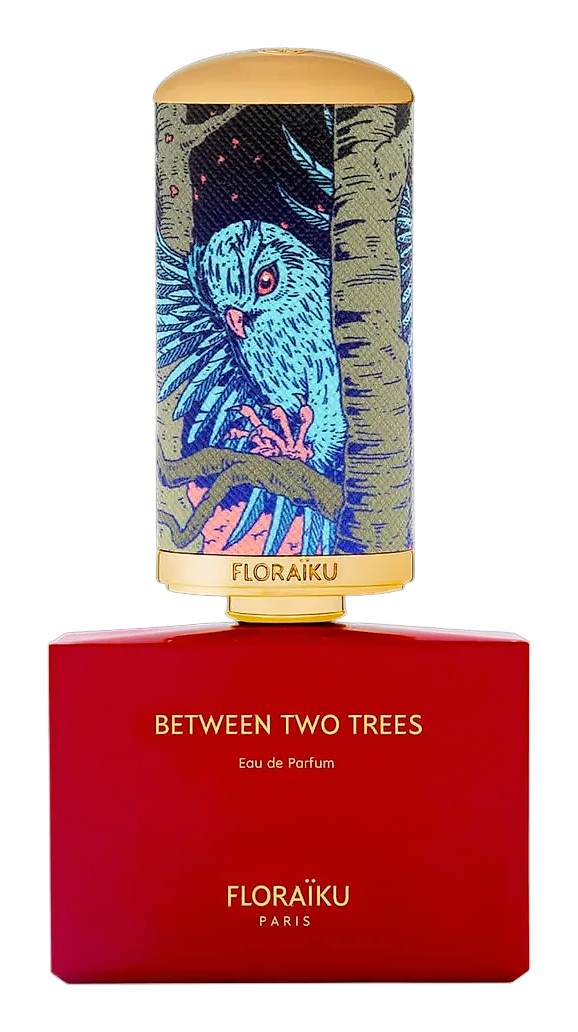
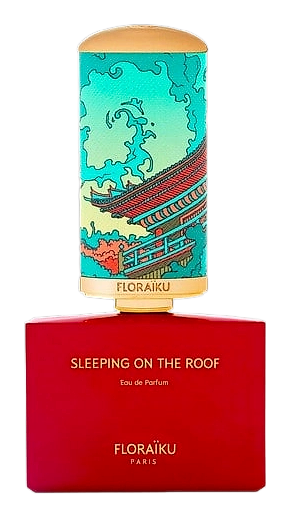
Floraïku compositions are developed through collaboration with independent perfumers rather than a house perfumer. Alienor Massenet, who also created fragrances for Memo Paris, contributed to early releases. Miroslav Petkov, Philippe Paparella-Paris, Yann Vasnier, Sarah Burri, and Sophie Labbe have worked on subsequent collections. Symrise appears in brand listings as a fragrance house collaborator on certain releases. This roster reflects the Molloys' preference for engaging different creative voices across the brand's library rather than maintaining a single signature style. The brand emphasizes natural ingredients and botanical materials, though specific sourcing origins vary by fragrance. Materials mentioned across the range include tangerine oil, fig, myrrh oil, sandalwood oil, vanilla extract, tonka bean absolute, nutmeg essence, black tea extract, cedarwood oil, and various woody bases. The Forbidden Incense collection centers on incense-derived materials, capturing the smoky, resinous qualities associated with the Kōdō ceremony. The Shadowing™ collection represents an innovation in how wearers interact with the fragrance library. These companion scents come in two variations, Sleeping on the Roof and Between Two Trees, designed to layer alongside any core Floraïku fragrance. The lighter shadow and darker shadow interpretations add dimensional depth when applied adjacent to the primary scent rather than mixed directly.
Design Language
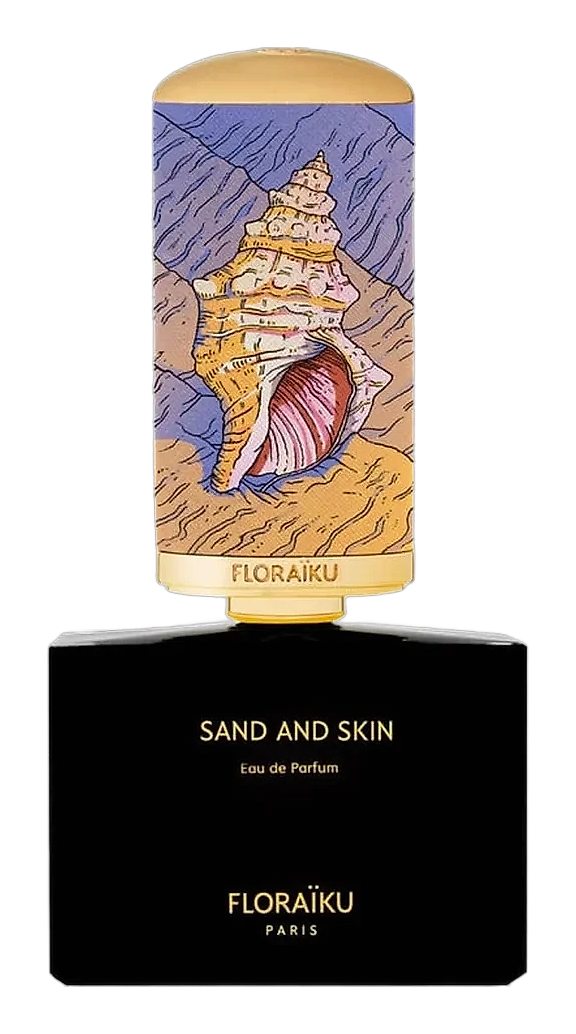
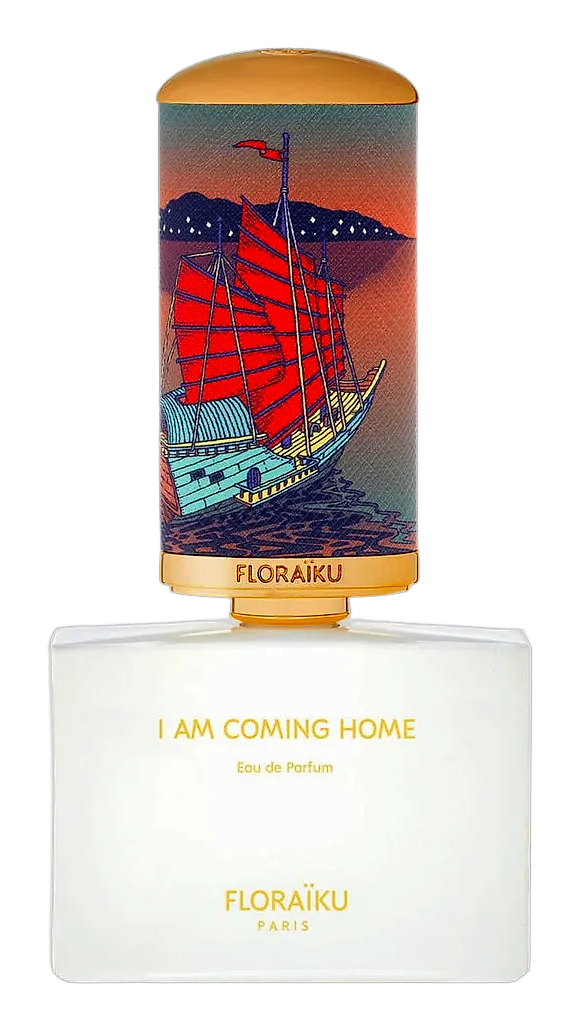
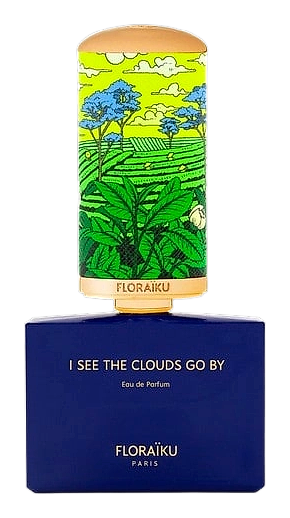
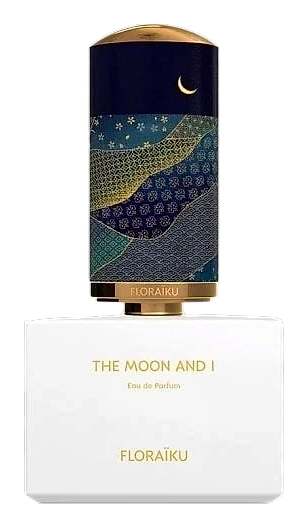
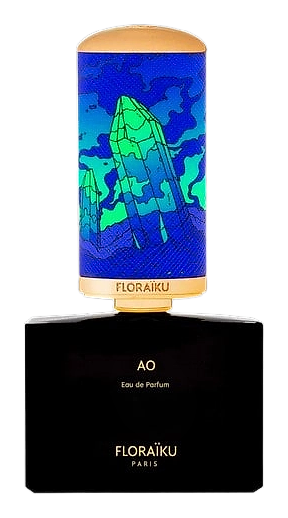
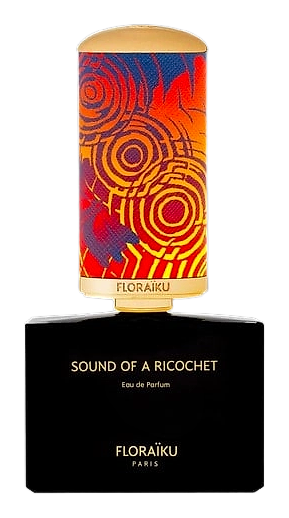
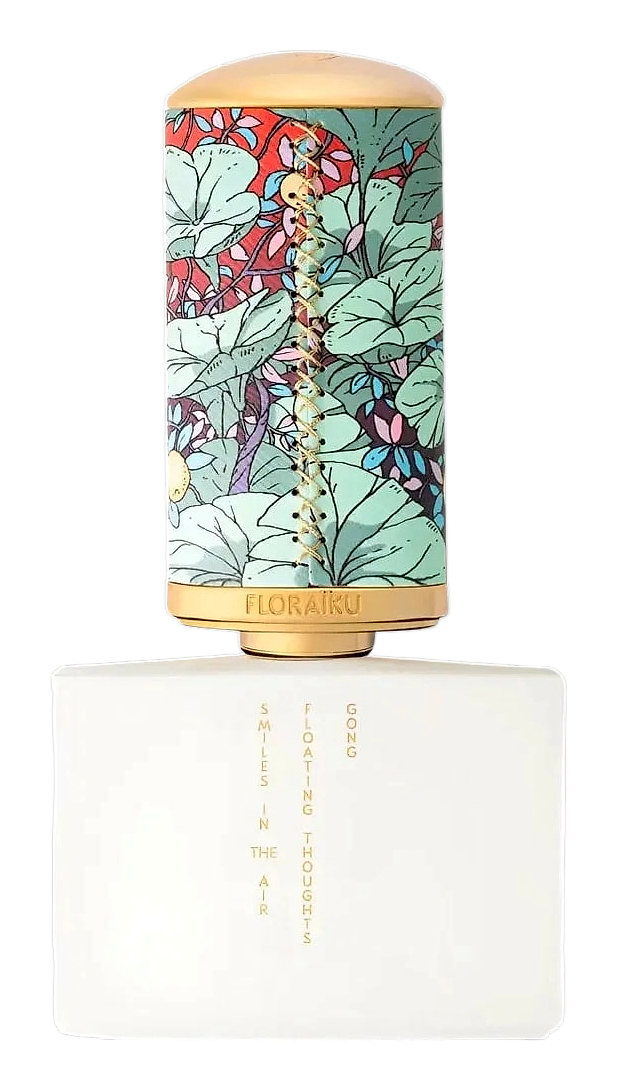
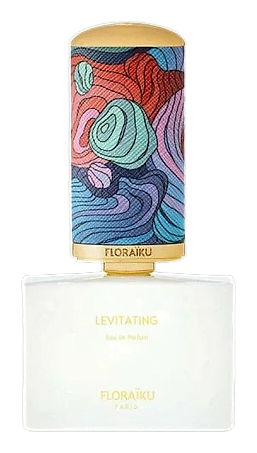
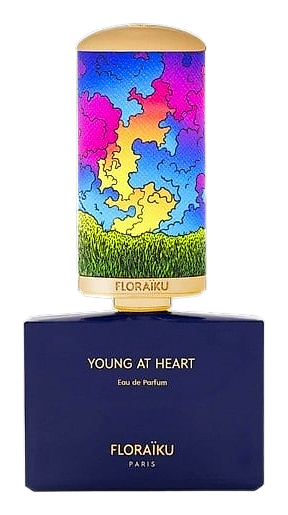
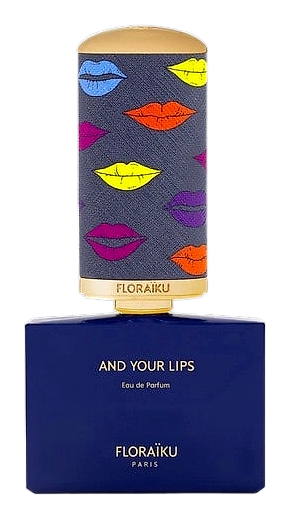
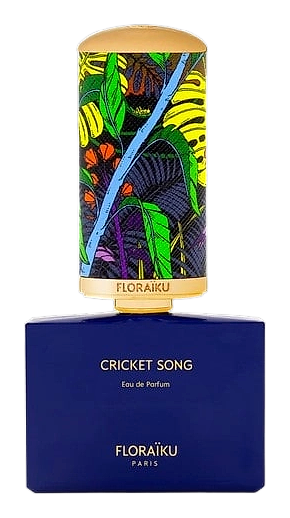
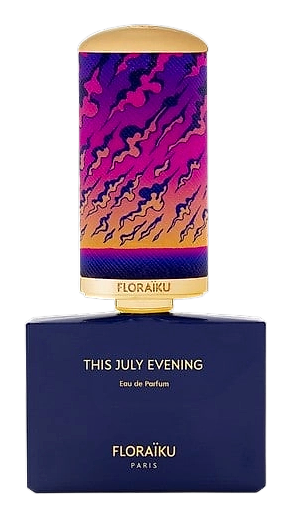
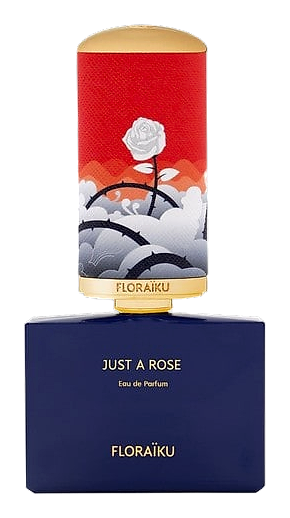
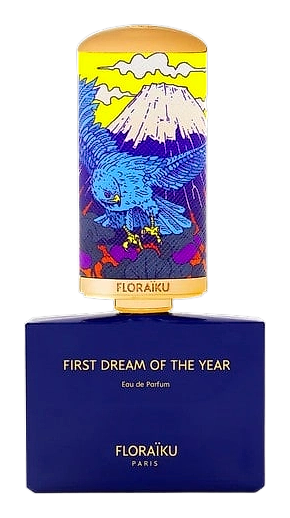
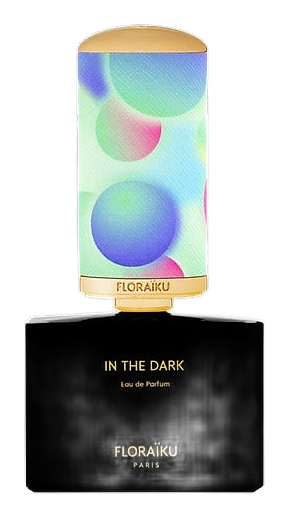
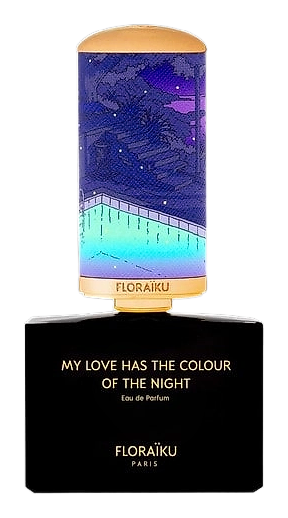
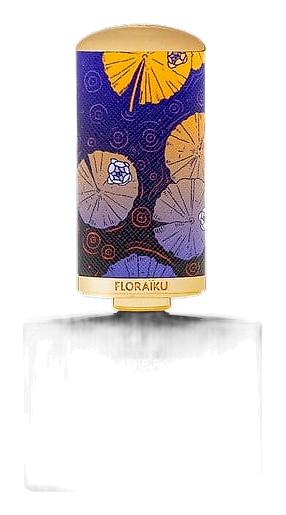
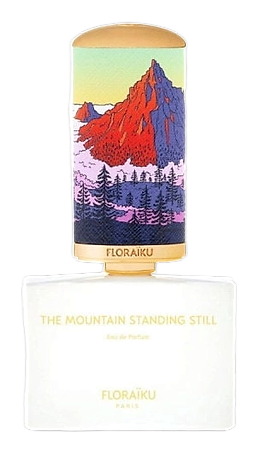
Floraïku's visual identity draws directly from Japanese material culture and ceremonial presentation. The signature packaging format resembles a bento box, with compartments holding the fragrance bottle alongside its accompanying poem card. This presentation treats the act of opening a perfume as a ritual unfolding, consistent with the brand's ceremonial foundations. The unboxing experience emphasizes careful reveals and intentional arrangement rather than simply protecting a product. Bottle design maintains understated minimalism with clean forms and matte finishes. The brand avoids ornate embellishment, letting the narrative and the scent itself carry the aesthetic weight. Cork stoppers appear on certain bottles, adding tactile character. Color coding distinguishes collection families, though the overall palette remains restrained. This visual language communicates the brand's philosophical emphasis on presence and attention over visual spectacle. Photographic and editorial content positions Floraïku in spaces associated with contemplation and natural observation. The brand imagery favors seasonal light, atmospheric environments, and still-life arrangements that echo the haiku naming convention. This visual consistency reinforces the connection between fragrance and the poetic observation of ordinary moments.
Philosophy
Floraïku structures its creative vision around three Japanese ceremonial traditions: the tea ceremony, the art of flower arranging, and the ritual of incense appreciation. Rather than treating these as abstract inspirations, the brand translates each ceremony into a distinct fragrance family. The tea ceremony collection evokes stillness and preparation. The flower arrangement series captures the intentional beauty of curated nature. The incense collection honors the Kōdō ceremony's attention to nuance and the sensory experience of burning wood. Every fragrance carries a haiku poem that serves as its naming device and conceptual anchor. These three-line poems provide each composition with impetus, connecting the scent to a specific moment, season, or natural observation. The brand frames perfumery as an act of literary creation as much as olfactory craft. The poetic verse appears alongside each bottle and its packaging, reinforcing the connection between language and scent memory. The Molloys describe their approach as uniting the olfactory tradition of French perfumery with Asian sensibilities for refinement and detail. This dual heritage shapes both the raw materials selected and the way compositions are constructed. French perfumery provides technical depth and structural complexity. Asian ceremonial traditions provide conceptual frameworks that treat fragrance as part of a broader ritual of attention and presence.
Key Milestones
2007
Clara and John Molloy co-found Memo Paris, establishing their niche fragrance house credentials before launching Floraïku.
2017
Floraïku Paris launches in July with eleven inaugural fragrances and exclusive distribution at Harrods in London.
2017
The brand releases its three founding collections: the tea ceremony series, the flower arranging series, and the incense ceremony series inspired by Kōdō.
2018
I Am Not a Flower fragrance is introduced, adding to the established collection library.
2022
The Shadowing™ collection debuts, introducing companion fragrances designed to layer with existing scents in light and dark variations.
2025
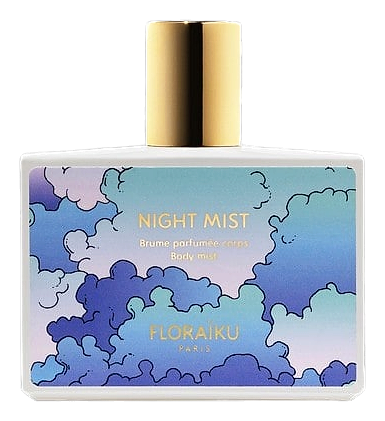
New releases Night Mist and Gong expand the current fragrance range.
At a Glance
Brand profile snapshot
Origin
France
Founded
2017
Heritage
9
Years active
Collection
1
Fragrances released
Avg Rating
4.0
Community sentiment