Dominican Amyris
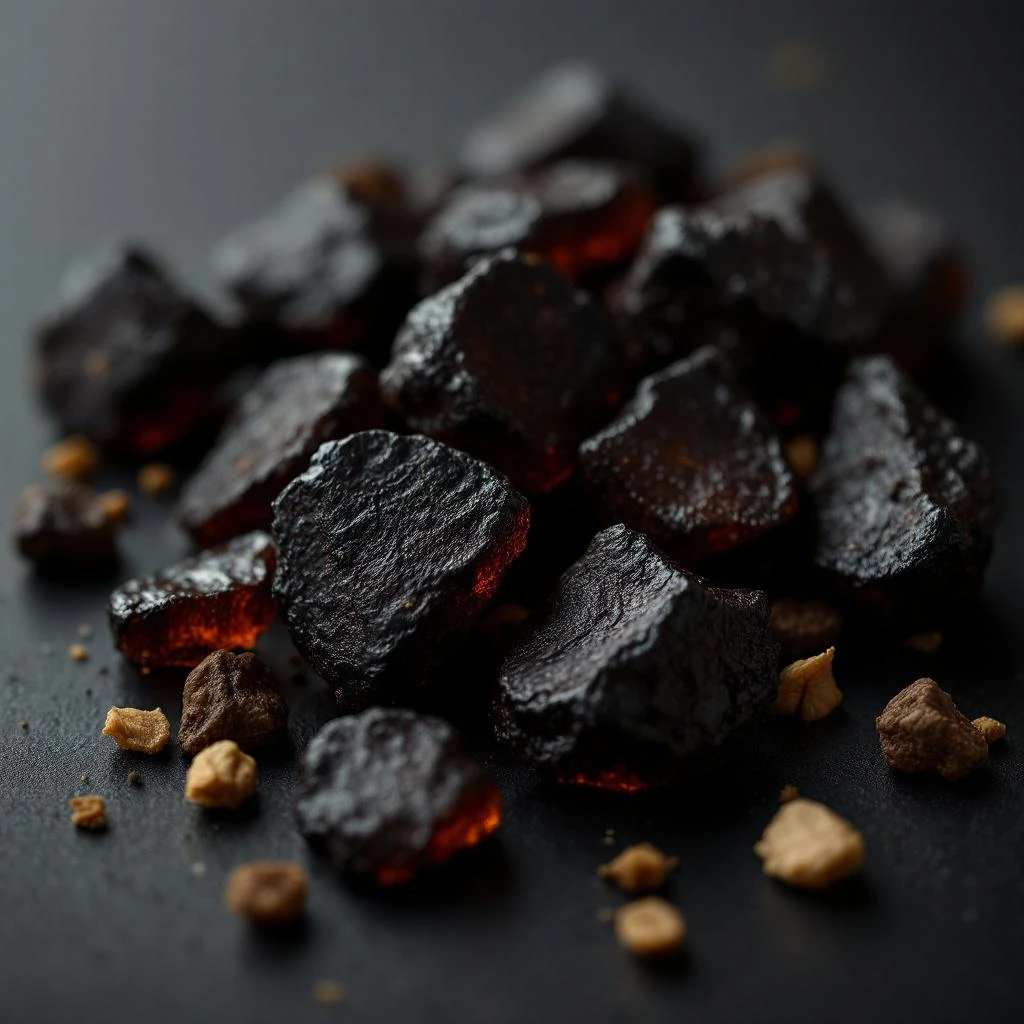
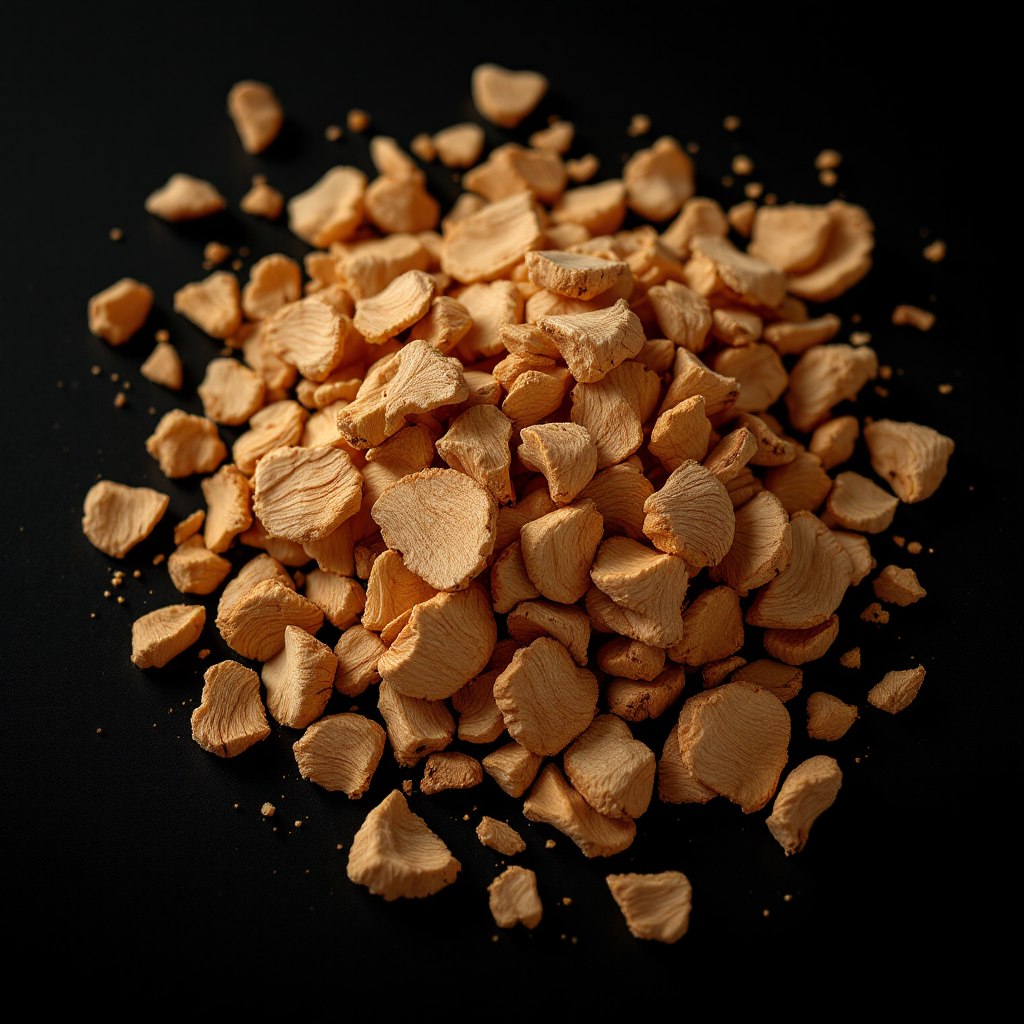
Dominican Amyris delivers a warm, woody elegance that perfumers prize as a natural fixative. Extracted from the heartwood of Amyris balsamifera, this Caribbean treasure brings soft balsamic sweetness with subtle creamy undertones that ground compositions without overpowering delicate florals.
Character
How it smells
The Caribbean wood that anchors fragrance.
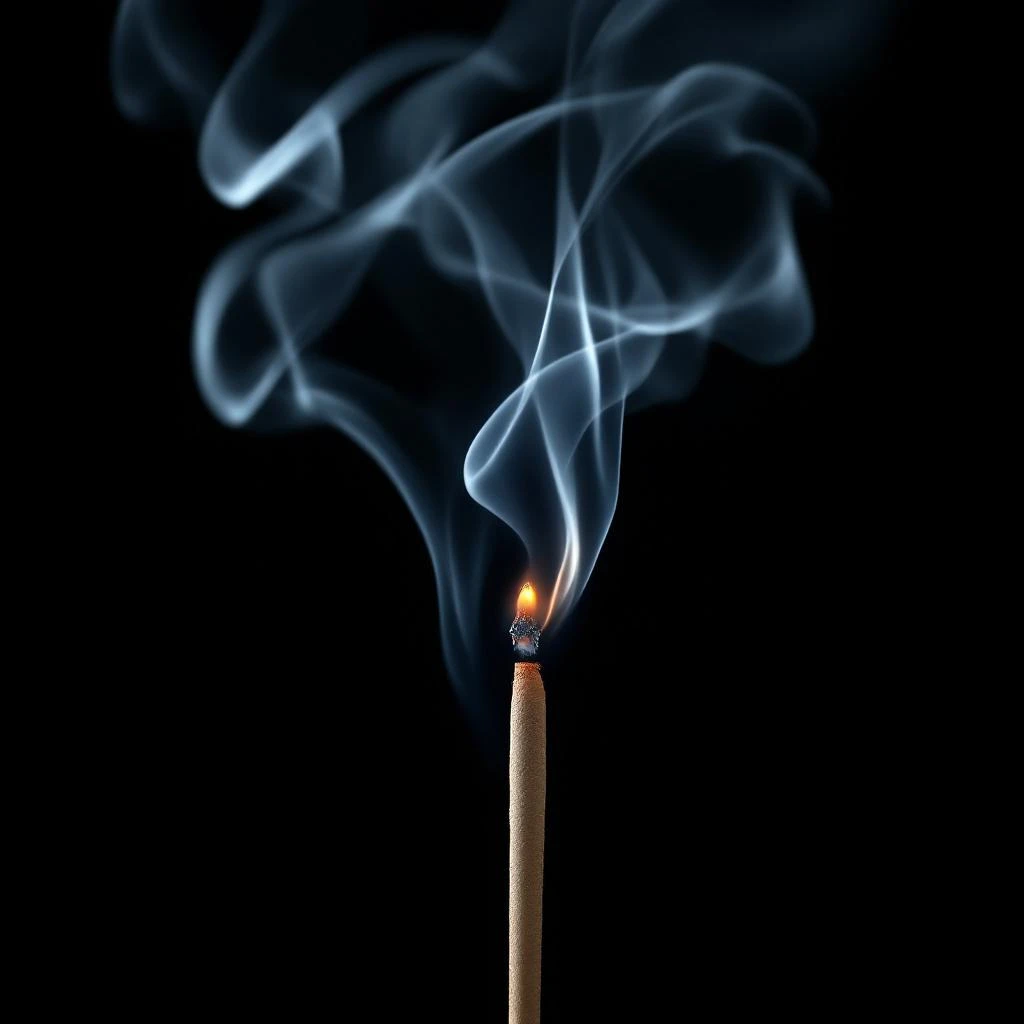
Amyris wood burns so readily that locals call it "torchwood" and have used it for lighting for centuries.



Origin
Dominican Republic
Amyris balsamifera has grown unnoticed on Caribbean islands for millennia, earning little attention until colonial traders arrived and began cataloging local botanicals. Haitian and Dominican communities discovered practical uses first, burning the resinous wood for light and heat, while folk healers applied poultices made from bark shavings. The essential oil industry emerged gradually, with European perfumers encountering Amyris through trade networks in the late nineteenth century.
They quickly recognized its value as a natural fixative that could extend the lifespan of lighter top notes. Colonial era botanical surveys documented Amyris across Haiti, the Dominican Republic, and neighboring islands, though commercial cultivation remained limited. Modern fragrance houses rediscovered Dominican Amyris during the natural ingredients renaissance of the early 2000s, appreciating its sustainability compared to endangered sandalwood.
Today, responsible harvesting practices ensure Amyris remains available for perfumery while protecting the species that produces it.
Wears it best
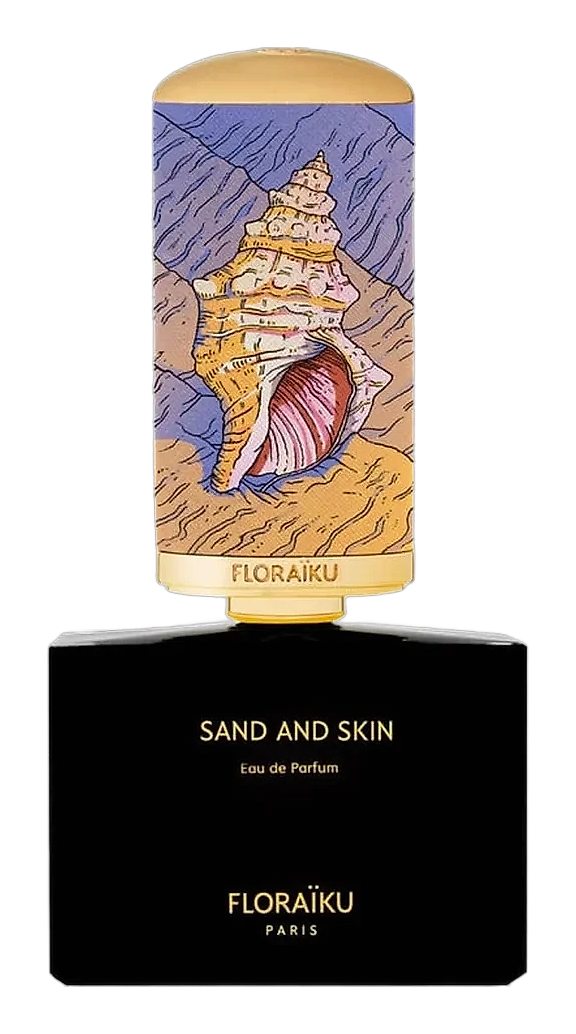
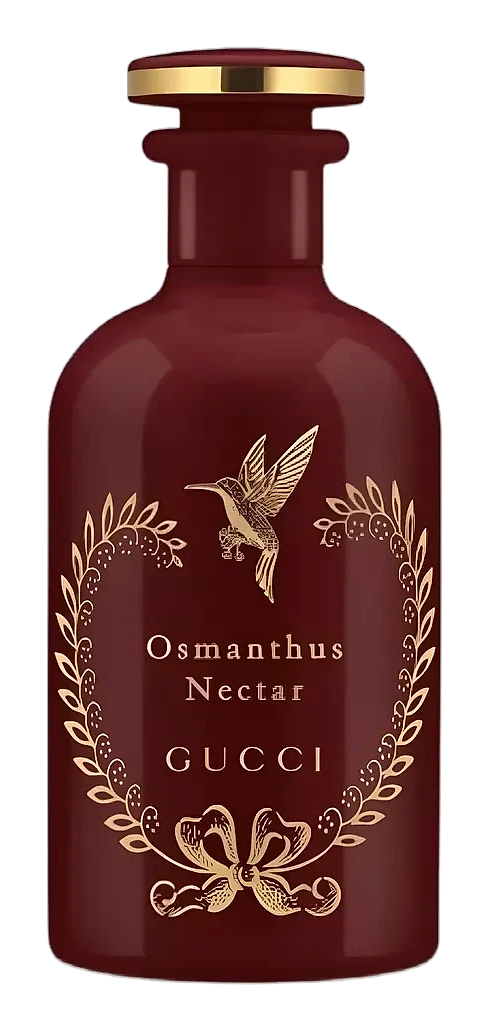
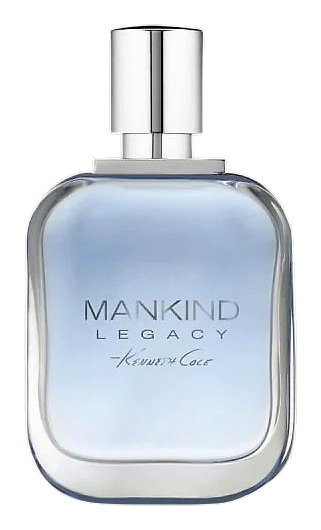
Fragrances featuring Dominican Amyris

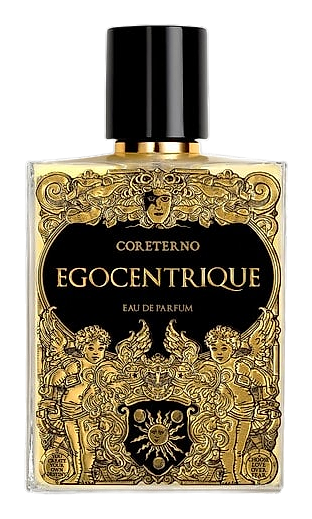
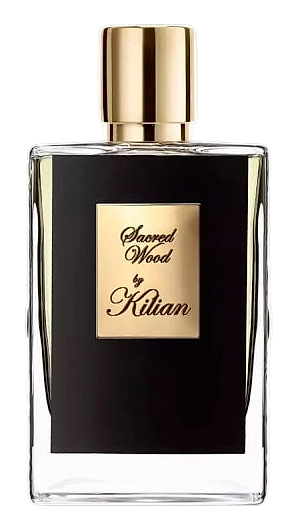
Brands
Brands known for Dominican Amyris
Good to know
Questions, answered
The essentials on Dominican Amyris in perfumery: how it smells, where it comes from, and how it behaves on skin.
What does Dominican Amyris smell like?
Amyris has a warm, woody aroma with balsamic sweetness and subtle vanilla-like creaminess. It works as a natural fixative, adding depth and longevity to fragrance compositions without dominating lighter notes.
Is Amyris a sustainable fragrance ingredient?
Yes. Amyris balsamifera grows abundantly across the Caribbean, and responsible harvesting practices ensure long-term supply. Unlike sandalwood, it regenerates readily after selective cutting.
Can Amyris replace sandalwood in formulations?
Amyris shares some olfactory characteristics with sandalwood, particularly its creamy, woody warmth. Perfumers use it as a more accessible alternative, though the profiles differ in subtlety and complexity.
How long has Amyris been used in perfumery?
Commercial use began in the late nineteenth century when European traders documented Caribbean botanical resources. Widespread adoption accelerated in the early 2000s as natural ingredients gained popularity.
What part of the Amyris tree is used for oil?
Distillers extract oil from the heartwood and smaller branches. The dense inner wood contains the highest concentration of aromatic compounds, requiring steam distillation to release them.
Does Dominican Amyris differ from Haitian Amyris?
Both origins produce quality oil, but terroir influences character. Dominican Amyris tends toward warmer, more balsamic qualities, while Haitian oil often shows slightly brighter, more resinous notes.
Is Amyris essential oil safe for skin contact?
When properly diluted, Amyris oil poses minimal risk. IFRA guidelines recommend dilutions between 0.8% and 2% in final consumer products. Always patch test before widespread use.
Why do perfumers call Amyris "West Indian sandalwood"?
The nickname reflects Amyris sharing sandalwood's creamy, woody warmth and fixative properties. This marketing term stuck because the materials serve similar functional roles in fragrance construction.