
The Story
Why it exists.
The beginning
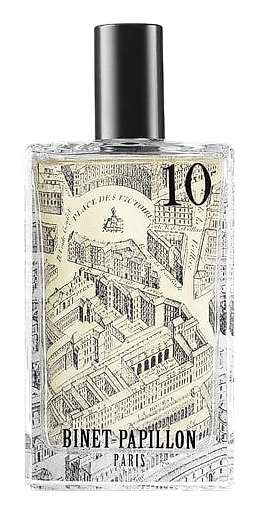
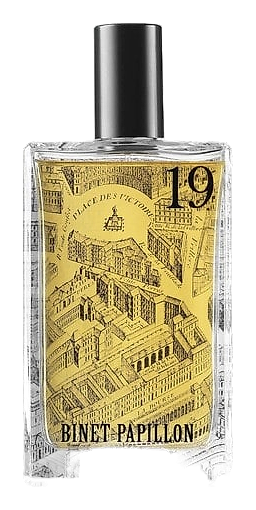
Nº 19 Patchouli Roots was launched in 2021 by Binet-Papillon, with Jean Sauvage behind the composition. The idea is simple and exacting: build patchouli around precious woods, then give it depth through labdanum and Peru balsam. Cedar and sandalwood provide a firm, elegant structure. Patchouli brings earthy sweetness. Labdanum adds resinous warmth, while Peru balsam gives the base a balsamic depth. Nothing here is ornamental. Every material has a role, and the result feels like a focused study of patchouli rather than a loud celebration of it.
The composition is interesting because it treats patchouli as the lead rather than the guest. Its earthy character is supported by woods with a polished grain, then rounded by labdanum and Peru balsam. The contrast gives the fragrance its balance: a dry, woody austerity on one side and warm resin on the other, with familiar patchouli emerging as something more elegant than its reputation suggests. Cedar gives structure to the architecture, sandalwood smooths the middle register, and the balsamic base keeps the finish from becoming merely earthy.
The evolution
The opening begins with cedarwood and labdanum, already suggesting a polished, resinous register. As the scent settles, patchouli and sandalwood move into focus. Patchouli supplies the earthy sweetness, while sandalwood makes it feel more refined and continuous across the skin. Later, labdanum returns with greater warmth, joined by Peru balsam. The drydown is darker, balsamic, and softly sweet, though still shaped by the woods that anchor the composition throughout. The resins deepen in the base, casting a warm amber glow over the remaining patchouli, while the woods keep the structure from collapsing into pure sweetness. By the time the fragrance recedes, the impression is less like soil and more like polished wood touched by warm resin. The transition is gradual, with each phase handing off cleanly to the next rather than competing for attention.
Cultural impact
Nº 19 Patchouli Roots positions patchouli in a way that feels deliberate and considered, treating an earthy, resinous material with the same care usually reserved for finer florals or rare absolutes. The register is selective, aimed at wearers who appreciate patchouli's depth but want it framed with composure. The composition reflects a focused approach to perfumery, where one well-understood material is allowed to dominate while supporting notes provide quiet architecture. There is no excess here, no loud gesture; instead, the fragrance offers a controlled study of what patchouli can be when it is not crowded by louder companions.
The House
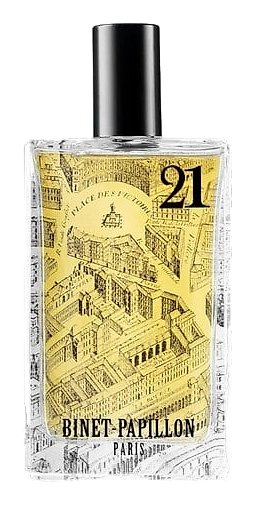
Binet-PapillonBinet-Papillon is an independent French perfume house based in Paris, founded in 2007 by Virginie Choné, a former executive at Guerlain. The house operates under the Atelier d'Art de France designation and maintains complete financial independence as a family-owned business. Originally established as Papillon Rouge, the house adopted the Binet-Papillon name to honor a lineage of 17th-century perfumers whose legacy it carries forward. The collection features bold, contemporary fragrances organized around thematic series, including the Patchouli series, numbered compositions, and spirit-named scents. Each fragrance carries a distinctive character, from the smoky leather of Cuir Grand Tigre to the warm cashmere notes of Patchouli P II Cachemire and the honeyed tobacco of Jungle Tobacco. The house occupies a distinctive position in the niche fragrance landscape, combining traditional French haute parfumerie techniques with an unconventional, artistic sensibility.
The Creator
Jean SauvageSauvage favors high-quality natural materials and is known for his structured, well-balanced compositions that lean classical without feeling dated. He gravitates toward citrus, aromatics, and woody base notes, building fragrances that open bright and dry down with quiet elega…