The Story
Why it exists.
The beginning
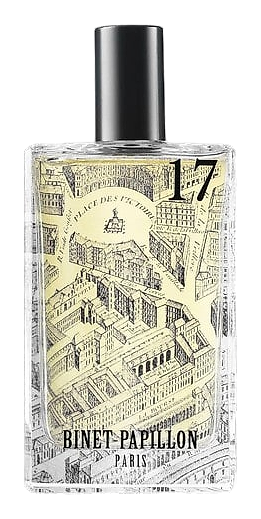
Nº 17 Tubéreuse Mandragore arrived in 2020 as part of Binet-Papillon's numbered series, a collection built around the interplay between green leaves, tuberose, ylang-ylang, and vetiver. Four materials, no padding, no ornamental additions to round out the edges. Jean Sauvage, the perfumer credited on the release, worked within that tight frame, and the result is something close to botanical reportage: each note arrives with the clarity of a pressed specimen pinned to a page. The green leaves open with a snap of chlorophyll and crushed stem, the kind of cool sharpness you'd find tearing a head of lettuce in a damp kitchen. Tuberose comes in not as a statement but as a whisper, distant at first, then steady, its creamy lactonic sweetness held in check rather than let loose.
Tuberose usually arrives with company: indolic heat, fruity sweetness, the narcotic swagger that makes it the diva of white florals. Here, the green note leads the way in, stripping away the perfume-y associations and leaving something closer to the actual plant, stems, leaves, and all. Ylang-ylang in the base does the creamy lifting that tuberose often does itself, which keeps the heart from tipping into territory that would feel familiar. It's a quieter tuberose by design, a composition that asks what happens when you remove the spotlight and let the flower exist in shade.
The evolution
The first thirty minutes are the greenest the fragrance ever gets: crushed leaves, wet stems, a vegetal snap that could pass for a walk through a damp garden in early morning. The chlorophyll note fades gradually, but it never quite disappears, leaving a thread of green that runs underneath the rest of the composition like a stem inside a vase. Tuberose arrives softly, not as an entrance but as a presence you notice three steps in. It never inflates into the creamy indolic roar that defines louder tuberose compositions, and that restraint is what gives the whole fragrance its particular character. The flower reads clean and slightly cool, almost waxy, with just enough of its natural rubbery undertone to stay believable. Ylang-ylang settles underneath, adding a banana-skin softness that rounds the floral without sweetening it into something cloying.
Cultural impact
Nº 17 Tubéreuse Mandragore offers a particular kind of tuberose experience, one built on restraint and proximity rather than volume. The flower is present throughout the wear, yet it stays close to the skin, a quiet companion rather than a declaration. For anyone drawn to white florals but wary of the heavier, sweeter interpretations that dominate the category, this composition reads as a gentler invitation. The tuberose here is clean and slightly waxy, tempered by green leaves on one side and the soft rubbery warmth of ylang-ylang on the other. Vetiver pulls everything down to earth at the base, keeping the florals honest and grounded.