The Story
Why it exists.
The beginning
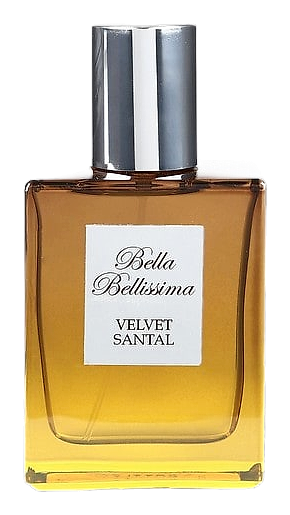
Velvet Santal arrived in 2014 as part of Bella Bellissima's Signature Editions. The fragrance was built around a single governing instinct: place sandalwood at the center and let everything else orbit it. The official description points to osmanthus tumbling into mellow warmth, a deliberate falling action rather than an opening statement. What results reads as an exercise in restraint. Dense wood at the core, bright florals softening the perimeter, and not a single note shouting over the rest. There is a clear editorial logic to the composition, a sense that every ingredient was chosen for how it behaves next to the others rather than for how it performs alone.
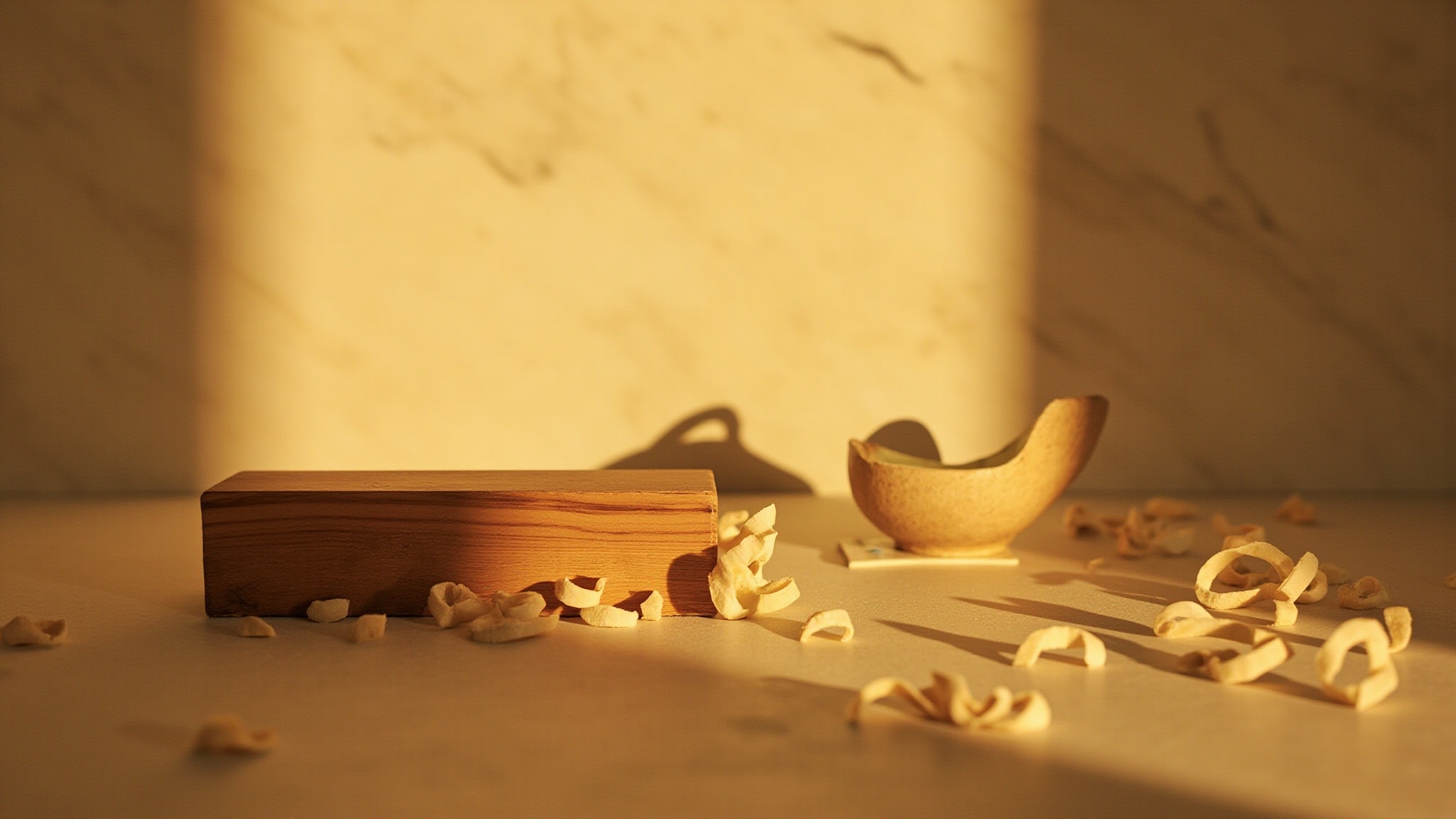
The choice to anchor the composition around sandalwood rather than let it serve as a background player is what separates Velvet Santal from the usual woody-floral template. The osmanthus finds natural harmony with santal's lactonic warmth, so the two materials reinforce rather than contrast, each one smoothing the texture of the other. Hawthorn and jasmine bring a green-floral lift that keeps the wood from sinking too deep too quickly.
The evolution
The first ten minutes are almost deceptive. Bergamot and citrus oils flash bright, cypress cuts through with its dry green resin, and osmanthus opens with that faint apricot-skin sweetness, the kind of warmth that suggests skin rather than fruit. It reads almost like a cologne for the opening stretch. Then the hawthorn arrives, and jasmine and orange blossom fill in behind it, and the whole thing shifts. The florals don't sparkle; they thicken. Rose absolute gives the heart a waxy, jammy density that pulls the osmanthus deeper into the composition. By the second hour, the sandalwood has taken over, creamy and full, with amber underneath adding a low hum of warmth that runs through the base like a sustained note. Cedar keeps the edges from going soft, lending a dry, pencil-shaving dryness to the wood accord.
Cultural impact
Velvet Santal sits within Bella Bellissima's Signature Editions, a collection that leans classical in its approach to composition. Within the broader landscape of sandalwood-forward releases, it reads as a study in understatement, a composition that earns its warmth through restraint rather than declaration. The fragrance rewards close attention, revealing more of its construction the longer it wears. It's the kind of release that appeals to wearers who prefer nuance over showmanship, and who value a scent that settles in gradually rather than announces itself from across the room.