
The Story
Why it exists.
The beginning
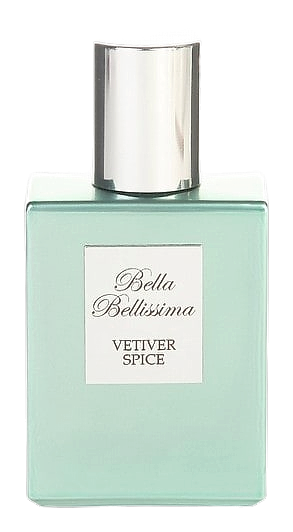
Bella Crane trained in Paris and Grasse, the historic centers where perfumers learn to translate place into liquid. When she turned to vetiver, a grass that grows roots instead of flowers, that carries the smell of earth after rain, she wasn't interested in the clean, laundered version. She wanted the real thing: Java vetiver, with its green smokiness intact. Vetiver Spice launched in 2014 as part of the Eau de Toujours collection, joining a house that had already placed itself at Harrods through conviction alone, not lineage.
What makes this composition unusual is the structure: vetiver doesn't arrive as a base note. It claims the heart, flanked by absinthe and cypress, both bitter, both green in different ways. The top opens with citrus and violet, unexpected and slightly powdery, before the grasses take over. By the time guaiac wood, leather, and frankincense arrive in the base, the vetiver has already set the terms. Vanilla doesn't tame it. It just makes the earth smell more like itself.
The evolution
The opening is brief and bright, citrus oils, violet petal, the clean heat of green cardamom. Thirty minutes in, the absinthe and cypress arrive, turning the composition bitter and tall, like standing in a hedge row in late autumn. The vetiver asserts itself around the hour mark, bringing its mineral, smoky character forward. This is where Vetiver Spice earns its name. The base unfolds slowly over the next several hours: leather first, then guaiac wood's smoky sweetness, then vanilla and cashmere wood that soften without sanitizing. Frankincense lingers last, a faint resinous warmth that stays close to the skin. On fabric, the moss and leather persist into the next day, subdued, but present. The sillage drops to intimate by the second hour, making this a fragrance you have to lean in to find.
Cultural impact
Vetiver Spice reflects a turning point in niche perfumery's embrace of bitter-green materials. When Bella Bellissima launched it in 2014, the mainstream market still favored sweet ambers and marine accords, making the brand's gamble on vetiver-forward composition a statement about artistic independence over commercial safety. The absinthe and cypress pairing broke from both designer and indie conventions of the era, signaling that niche houses could prioritize olfactory challenge over mass appeal.