The Story
Why it exists.
The beginning
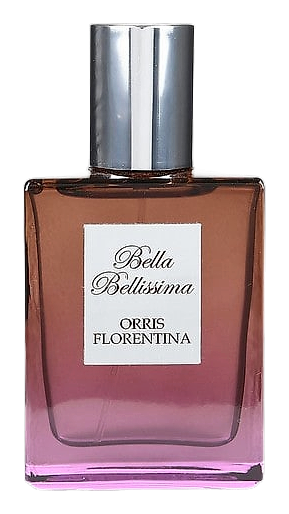
Orris Florentina is the meeting of two Italics. Calabrian bergamot from the south, Tuscan iris from the heart of Florence, pulled together into a composition that treats the iris butter not as a floral but as a texture. The opening is cool and pithy, the bergamot reading sharp rather than sweet, almost squeezed fresh over the back of the hand. From there the iris takes over quickly, but it does not arrive as a flower. It arrives as a feeling. Cool, dry, slightly powdery, with the earthy density of a root rather than the lift of a petal. There is a chalky coolness at the centre that recalls cold porcelain, and the longer it sits, the more that root note intensifies while the citrus quietly withdraws.
Iris butter is one of the few natural materials that takes years to produce. The rhizomes of the iris plant are harvested, dried, then processed through a long maceration that gives the material its distinctive density and violet-tinged coolness. Florentine orris is the most prized variant, associated with the Tuscan region and a centuries-old tradition of cultivation. Within Orris Florentina, the iris shares the stage with leather and suede listed as heart notes, and the interplay is deliberate. The suede becomes the canvas. The iris gives it grain.
The evolution
The first ten minutes are bright and almost shy. Calabrian bergamot opens cool and slightly bitter, the way citrus smells before the juice is squeezed. It's a quiet overture. Then the iris arrives, and with it the entire personality shifts. The orris butter is dense, powdery, and slightly rooty, folded into suede so soft it reads as touch rather than scent. Leather lurks underneath but never takes a bow. Raspberry appears in the middle phase, unexpected, giving the iris a candied edge that keeps it from going austere. It's not a juicy raspberry. More like the memory of one pressed into velvet. By hour three or four, the citrus is gone, the raspberry has melted into the iris, and what remains is a warm, skin-like drydown of Tahitian vanilla and suede. The vanilla is creamy, not sugary, with a faint boozy warmth that reads closer to skin than to dessert. On fabric the next morning, it's quieter still: vanilla, the ghost of powder, a trace of something floral you can't quite name.
Cultural impact
Orris Florentina occupies a particular place within iris-led perfumery, a category where the raw material is famously expensive and notoriously difficult to present without veering into either powdery grandmother territory or cold, abstract rootiness. By building the entire composition around Florentine orris butter and pairing it with bergamot, leather, and suede, the fragrance positions iris as a lead material rather than a supporting floral. The opening bergamot provides lift and brightness before stepping aside, allowing the orris to dominate with its cool, earthy, slightly powdery presence.