Florentine Orris Butter
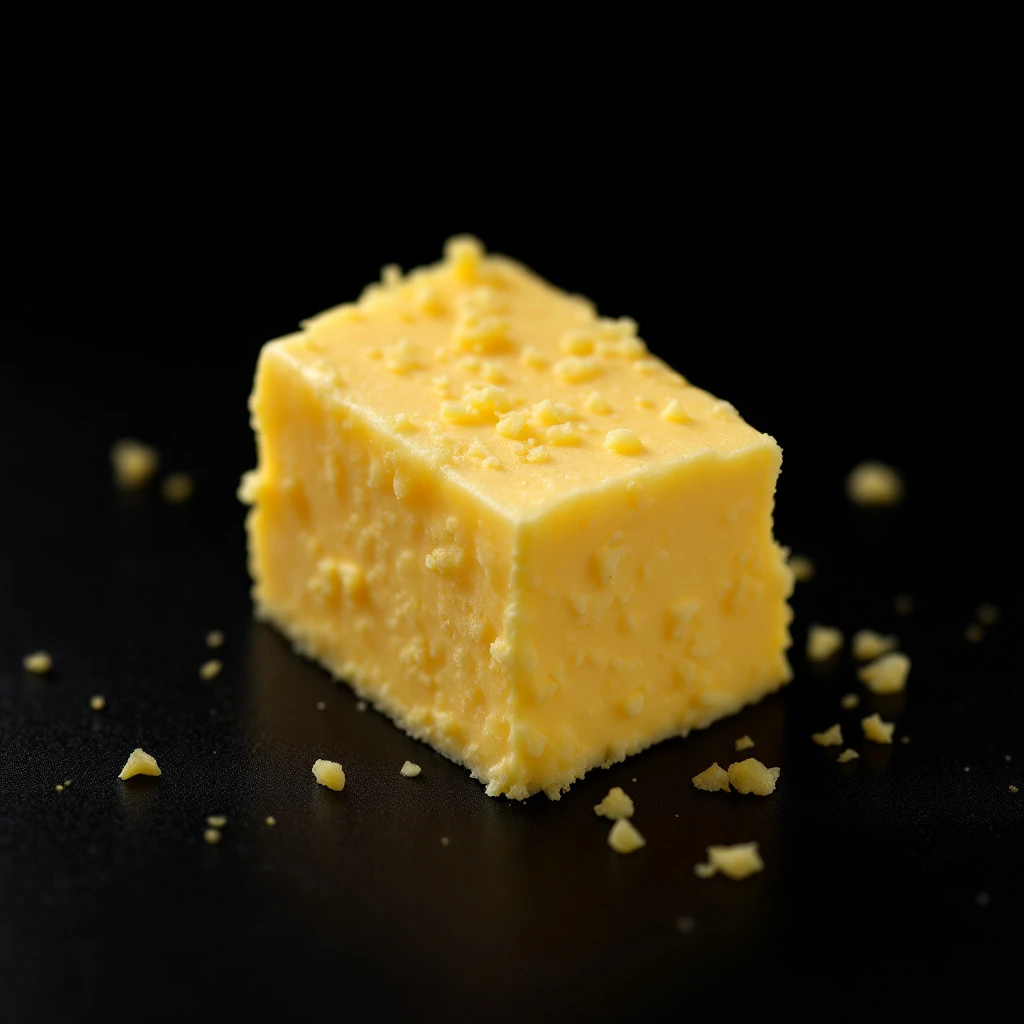
Rare violet and powdery elegance captured from Florentine iris rhizomes aged three to five years. One of perfumery's most prized and costly ingredients, orris butter conveys a sophisticated floralcy that elevates fragrances to iconic status.
Character
How it smells
Tuscan violet royalty distilled into precious butter.
It takes roughly one tonne of aged rhizomes to yield just two kilograms of orris butter, making it rarer than saffron.



Origin
Italy
Orris has perfumed human civilization since Ancient Rome and Greece, where people carved rhizomes into scented beads called "iris balls." The Florentine variety earned particular reverence in Renaissance Italy, with cultivation concentrated in the Tuscan hills just beyond Florence, especially near San Polo. Medici-era perfumers prized Florentine orris above all others, incorporating it into court cosmetics and ceremonial preparations.
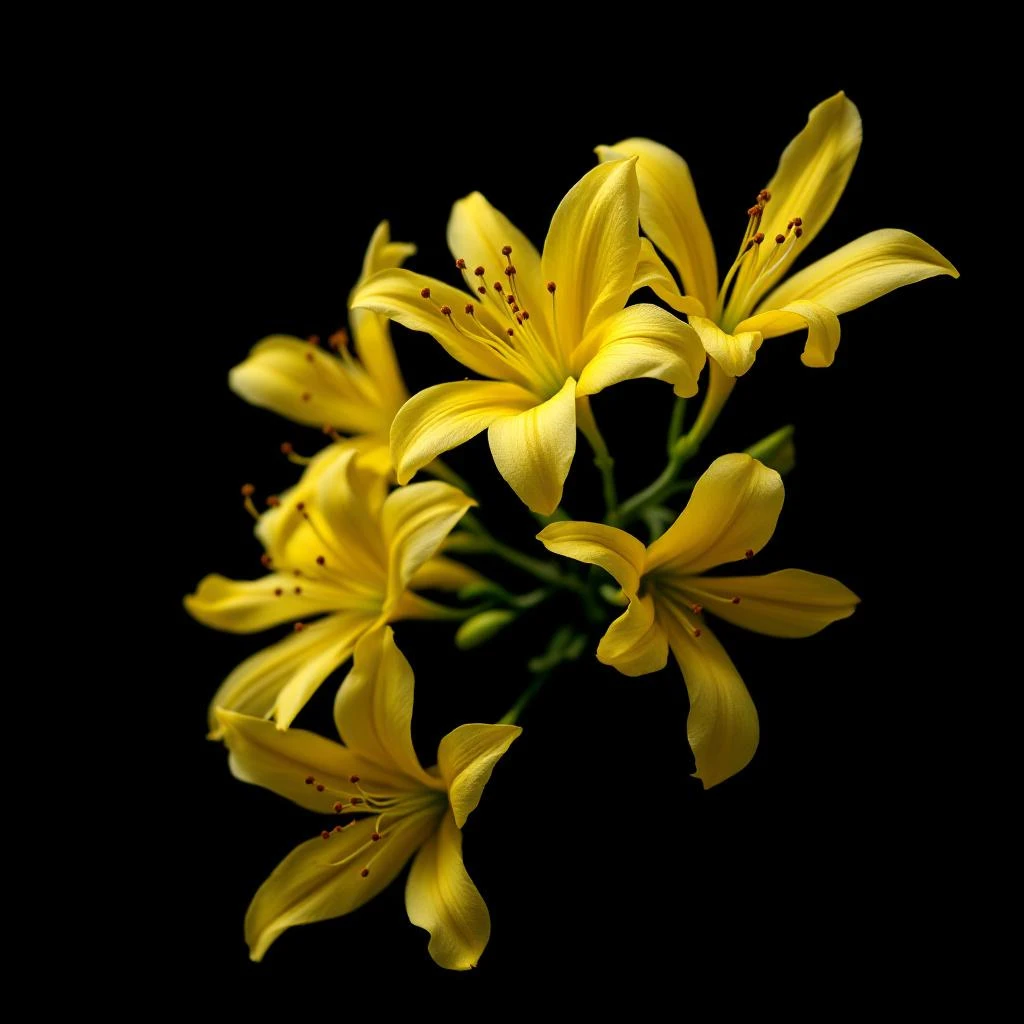
By the 16th century, the ingredient had become synonymous with Italian refinement. The name "orris" derives from the Greek word for rainbow, referencing the plant's distinctive purple-blue blooms that once carpeted Tuscan meadows. During the gin distillation boom, Florentine orris root added subtle violet and sweetness to spirits, a practice that endures today.
From Ancient Rome through Renaissance courts to modern luxury perfumery, Florentine orris has maintained its position as one of the world's most coveted aromatic materials.
Wears it best
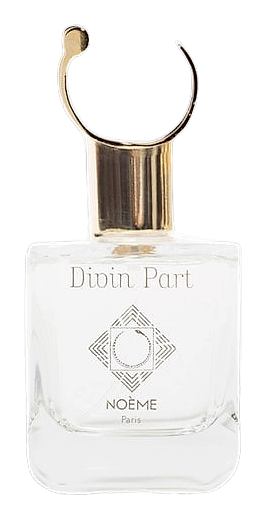
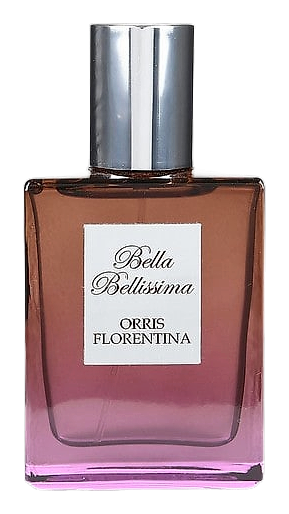
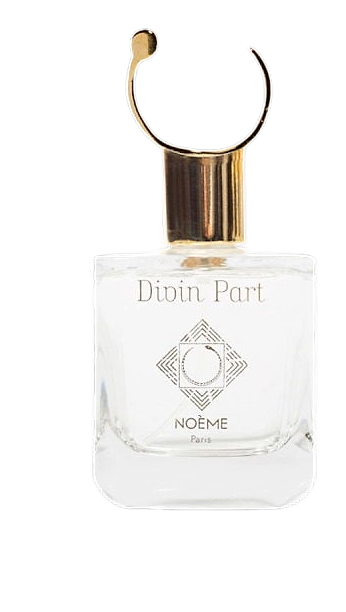
Fragrances featuring Florentine Orris Butter
Brands
Brands known for Florentine Orris Butter
Good to know
Questions, answered
The essentials on Florentine Orris Butter in perfumery: how it smells, where it comes from, and how it behaves on skin.
What does Florentine orris smell like?
Florentine orris butter smells intensely floral with prominent violet and powdery facets, accented by subtle earthy sweetness. The aged rhizomes develop a complex character that reads as both fresh and deeply warm.
Why is orris so expensive?
Orris commands premium prices because production requires three to five years of aging before distillation. Approximately one tonne of rhizomes yields just two kilograms of finished butter.
How long must orris rhizomes age?
Producers must age rhizomes for a minimum of three years, though five-year-old roots produce superior aromatic complexity. Unaged material yields an inferior product lacking signature depth.
What is the difference between iris and orris in perfumery?
Perfume pyramids list "iris" but the material is technically orris, derived from rhizomes rather than flowers. The root develops aromatic compounds during aging that flowers do not possess.
Which iris species produce Florentine orris?
Florentine orris comes primarily from Iris florentina, though Iris pallida and Iris germanica also contribute to commercial orris extracts. All three species grow in the Tuscan region.
What extraction methods produce orris butter?
Producers use steam distillation or solvent extraction on dried, aged rhizomes to separate aromatic compounds. Both methods yield a concentrated butter with intense floral character.
Where does Florentine orris originate?
Florentine orris originates in the Tuscan hills surrounding Florence, Italy, where cultivation concentrated since Renaissance times. The village of San Polo marks a historic production area.
Is orris still harvested naturally today?
The vast majority of orris ingredients still come from naturally aged rhizomes rather than synthetic reproduction. Small-batch producers maintain traditional methods in Italy and surrounding regions.





