The Story
Why it exists.
The beginning
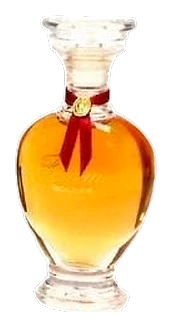
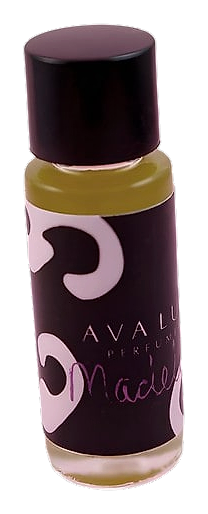
Serena Ava Franco composed Rosa de la Luz in 2008 as part of her ongoing exploration of single-flower themes rendered through her made-to-order studio. Ava Luxe doesn't operate like a conventional house. Each fragrance is bottled only after a customer places an order, which means no bottle sits waiting on a shelf. That production choice shaped Rosa de la Luz into something more deliberate than a typical rose soliflore, giving it the patience of a composition rather than the urgency of a release. Franco pulled rose from three different origins to build depth: Bulgarian rose otto, Turkish rose absolute, and Moroccan rose absolute. Each material brings its own texture to the blend, and the interplay between them gives the fragrance its layered character.
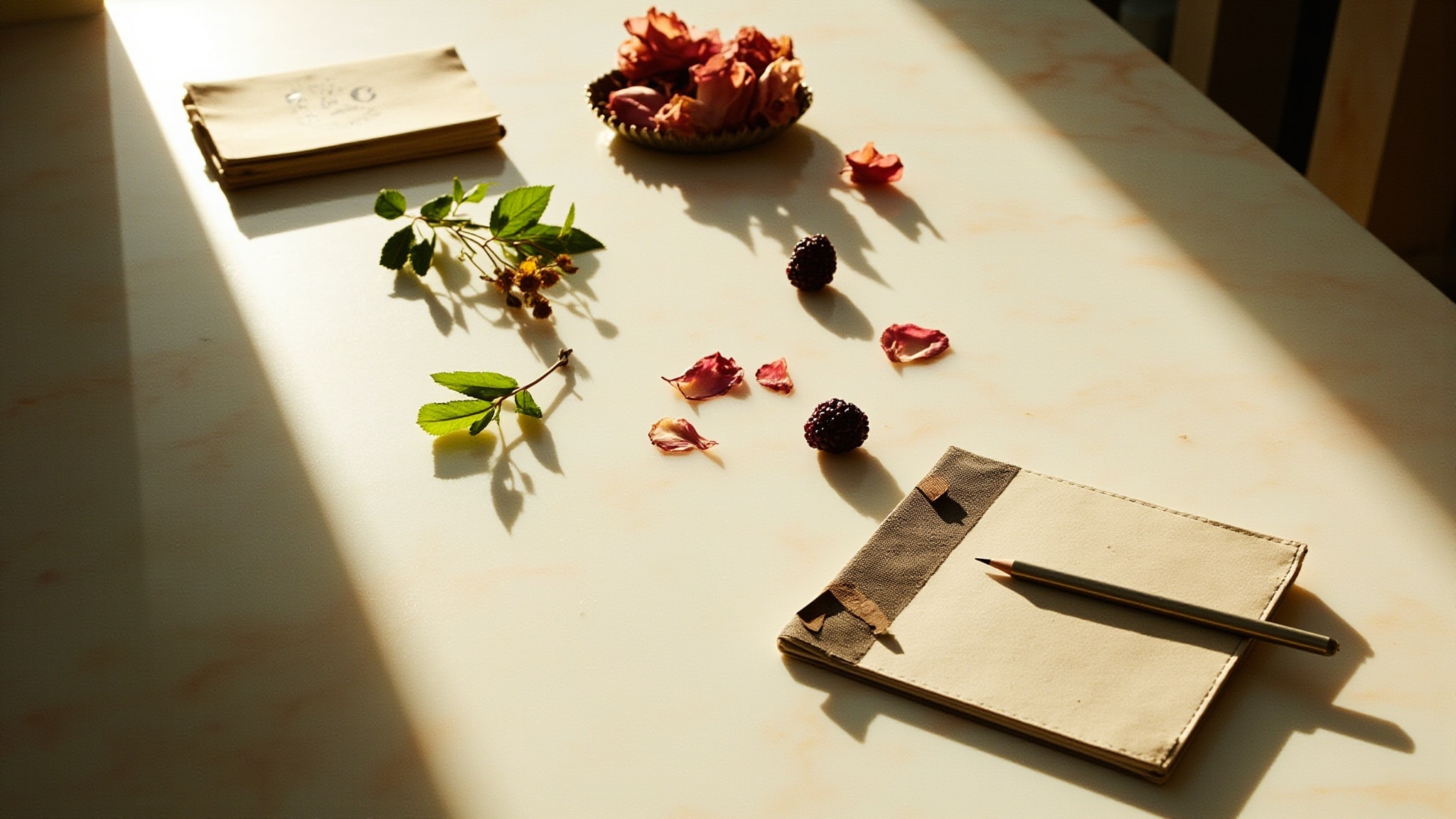
What's unusual here is the blackberry. Most rose fragrances reach for citrus or green stems as their opening foil. Franco chose bramble fruit instead, and it changes the character of the whole composition. Blackberry carries a tartness that reads almost wine-like, and it bridges the gap between the sharp Sicilian bergamot and the denser floral heart in a way citrus alone couldn't manage. The geranium does the heavy lifting in the middle, giving the rose a green, slightly herbal edge that keeps it from tipping into sweetness. Then Brazilian rosewood, Indian sandalwood, and orris root build a base that's powdery and woody without being heavy, a structure that lets the rose breathe instead of burying it.
The evolution
The opening is the loudest part of Rosa de la Luz, and it arrives with intent. Blackberry and bergamot hit bright and tart, almost sharp enough to make your mouth water. The green notes underneath read like stems and crushed leaves, so the first minutes feel like reaching into a hedge rather than standing at a perfume counter. There is a bruised, leafy coolness to the green accord that lifts the fruit rather than letting it sit flat. Soon after, the Sicilian bergamot settles back and the three roses begin to surface together rather than entering one at a time. Bulgarian rose otto carries the cool, familiar face of rose into the mix, the version most wearers recognize first. Turkish rose absolute warms the blend into something richer and denser, adding a slight honeyed roundness.
Cultural impact
Rosa de la Luz treats rose as a spectrum rather than a fixed idea. Franco's choice to combine Bulgarian rose otto, Turkish rose absolute, and Moroccan rose absolute inside a single composition reflects a way of working that takes the botanical seriously as a raw material with its own variations across geography, processing, and harvest. The pairing with blackberry, bergamot, geranium, green notes, orris root, Brazilian rosewood, Indian sandalwood, and vetiver pushes the composition away from the clean, transparent rose templates that have come to define so much contemporary rose perfumery.