The Story
Why it exists.
The beginning
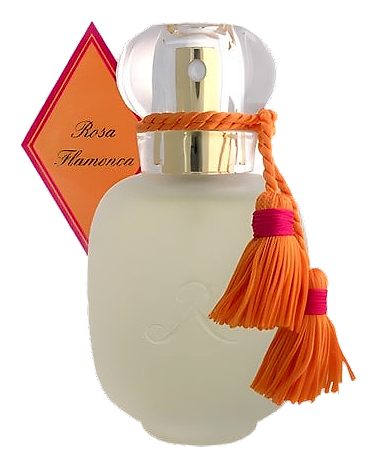
Rosa Flamenca takes its name from the dance, not the tourist postcard version, but the real thing: heat, precision, and a passion that doesn't apologize for itself. Marie-Hélène Rogeon created this composition in 2004, channeling that specific energy into fragrance form. The name is a declaration of intent. This rose was going to move differently.
What makes Rosa Flamenca unusual is the way the white florals don't just support the rose, they argue with it. Orange blossom brings its creamy, slightly bitter edge. Honeysuckle adds sweetness that could tip into cliché, but fig leaf keeps it grounded, slightly green, slightly Mediterranean. The result is a rose that dances rather than poses.
The evolution
The opening hits first with citrus: bergamot, mandarin, neroli working in concert to create something immediately alive. This phase lasts a solid thirty minutes before the florals take over. Then the heart arrives, May rose absolute alongside orange blossom and honeysuckle, forming a white floral chorus that stays close to the skin. Jasmine appears here, adding a slightly indolic sharpness that keeps the composition from becoming precious. By hour three, the base begins to show: sandalwood and white musk creating a warm, skin-close finish that lingers without projecting. The fig leaf note bridges the transition, its green quality threading between the floral heart and the woody base. On most skin types, expect six to eight hours of wear, present in the first half, intimate in the second.
Cultural impact
Rosa Flamenca occupies a particular space in the Les Parfums de Rosine collection, less classical than La Rose de Rosine, more intimate than the Ballerina series. It appeals to those who want rose without the expected: no jam, no powder, no heavy spices. Instead, a dance. This 2004 release stands apart for its restraint, offering rose as a feeling rather than a statement.