The Story
Why it exists.
The beginning
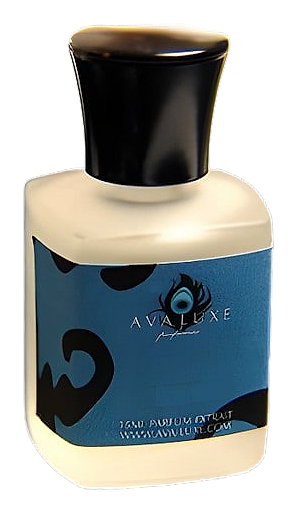
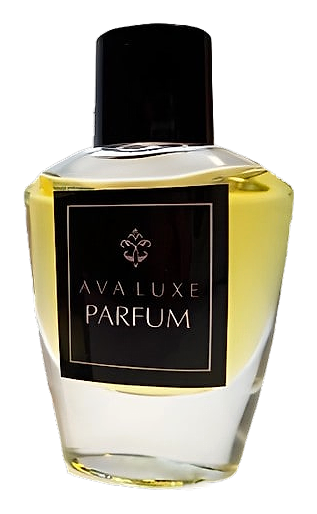
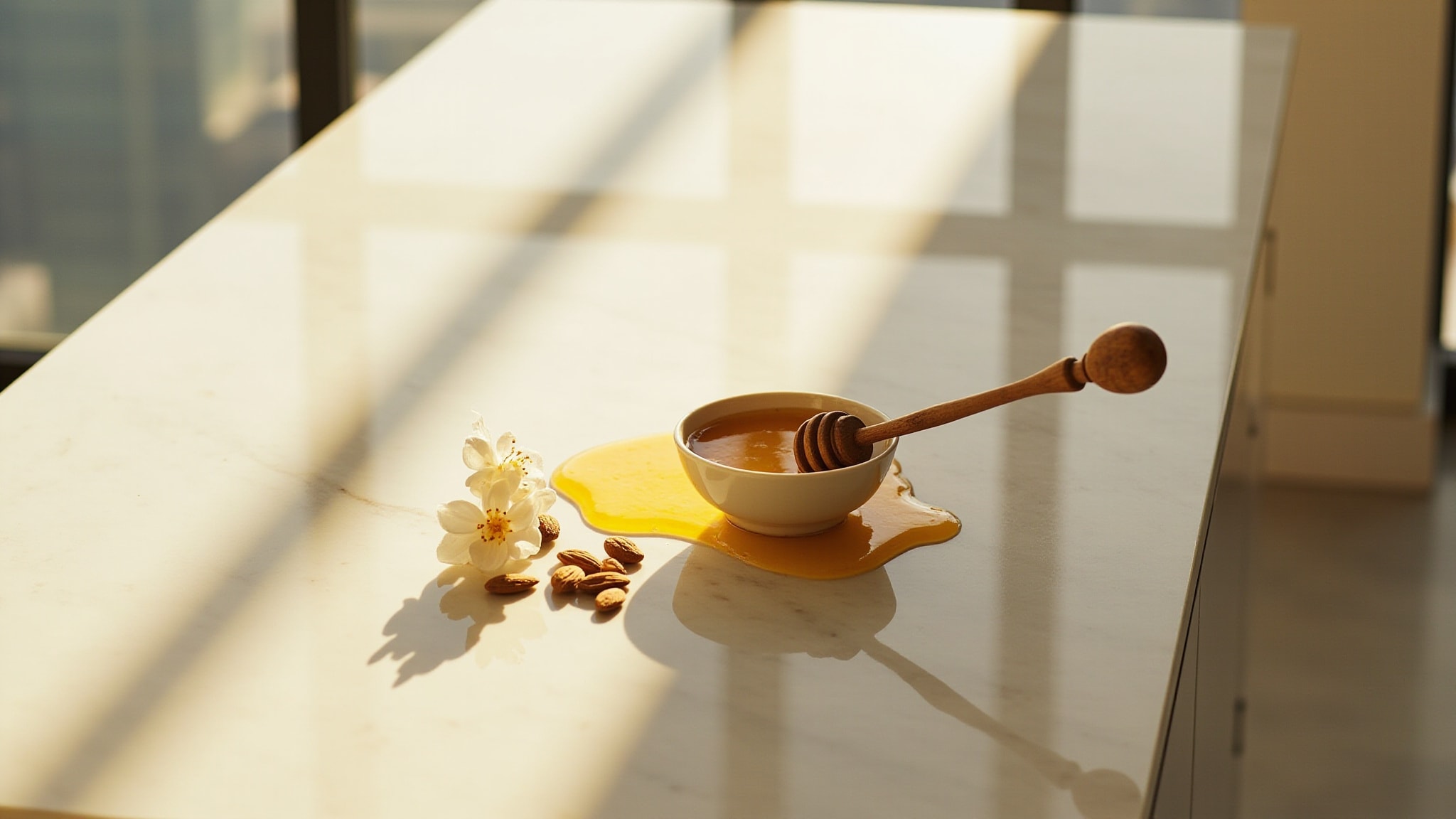
When Serena Ava Franco set to work on Honey in 2000, she wasn't chasing a trend or filling a gap in some imaginary shelf. She was making something elemental. Almond, beeswax, honey, orange blossom, the raw materials of sweetness going back centuries. Franco treated each formula like a small painting, and Honey carries that same sensibility. The almond gives it a creamy, faintly bitter backbone. The beeswax lends a waxy density, almost architectural, that keeps the sweetness from feeling thin. The honey at the center is warm and golden, the real material, not a confectioner's idea of it. Orange blossom threads through everything, lifting the heavier notes with a soft floral brightness.
What makes Honey interesting is its refusal to complicate things. Franco built the composition around its core materials rather than dressing them up. The almond and beeswax carry the weight, giving the honey something to rest against. Orange blossom moves through with enough lift to keep the sweetness from collapsing into itself. The accords read gourmand and woody, but there's a warmth underneath, a quiet muskiness that keeps it from reading like a bakery jar. It's honey as material, not honey as concept.
The evolution
On first spray, the orange blossom leads, a bright floral lift that keeps the sweetness from drowning in itself. Then the honey arrives properly, golden and unmistakable, and the almond rounds underneath it like a second skin. Beeswax comes next, waxy and dense, giving the scent a structural warmth that holds the whole composition together. As the hours pass, the orange blossom recedes and the almond deepens into something nuttier, more toasted. The drydown is where Honey becomes itself: a quiet hum of beeswax and honey, faint warmth underneath, a sweetness that thins but never fully disappears. The scent sits close to the skin, more murmur than announcement, the kind of composition that rewards the wearer more than the room. It's a slow, steady burn from beginning to end.
Cultural impact
Honey arrived in 2000, a composition built from almond, beeswax, honey, and orange blossom, just four ingredients treated with uncommon seriousness. It didn't try to dress itself up in conceptual packaging or chase complexity for its own sake. It simply offered the materials, unfiltered. Among indie fragrance circles, that kind of restraint tends to earn a particular kind of devotion. The production appears to have been discontinued, which has only sharpened the way the existing bottles are regarded. There's a sense that what was made was finite, and that finitude gives the fragrance a different kind of value.