
Heritage
A house, in its own words
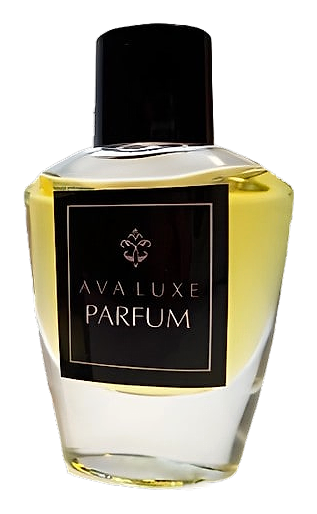
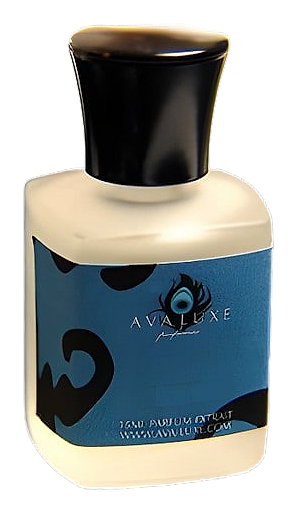
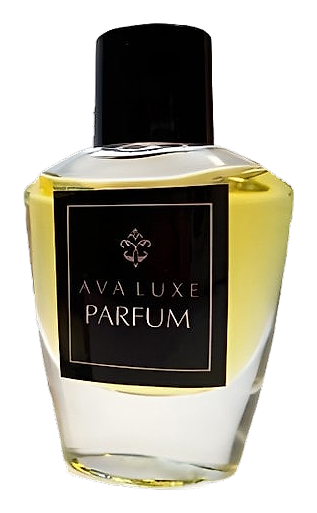
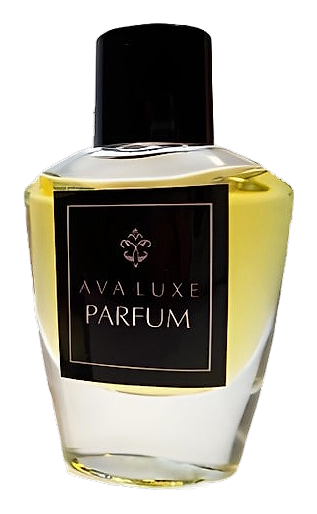
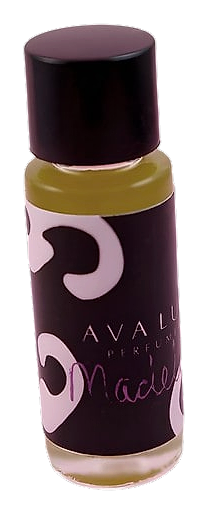
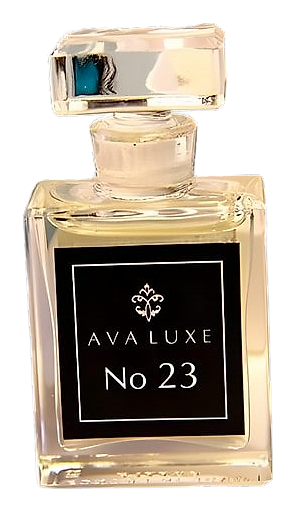
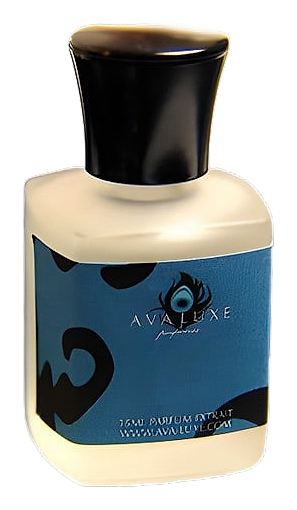
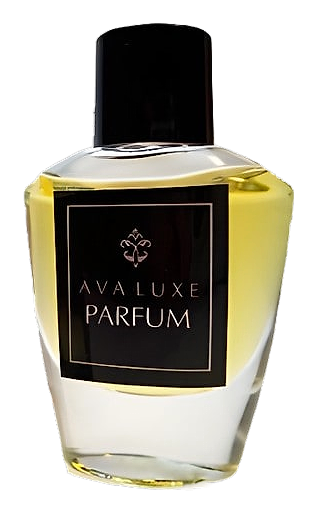
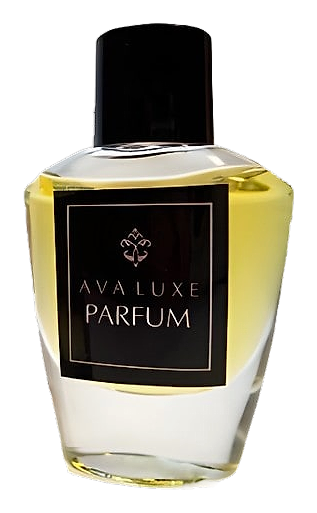
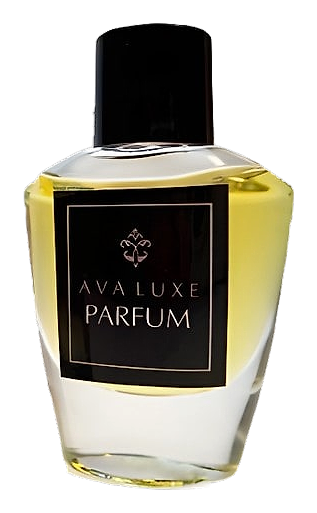
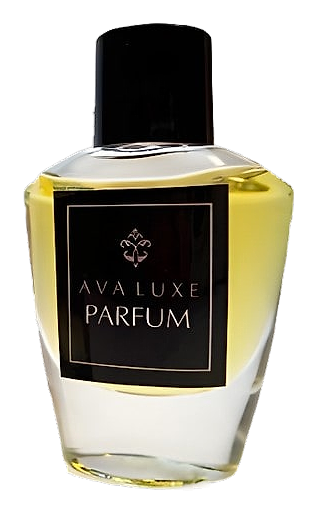
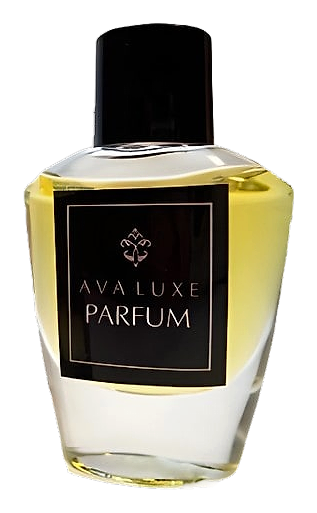
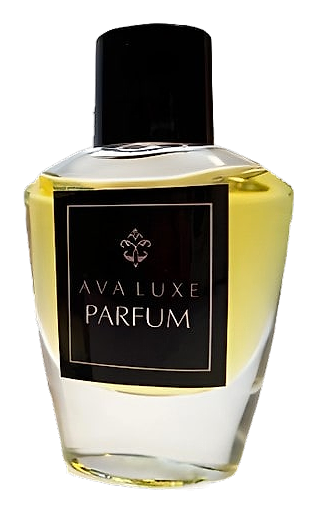
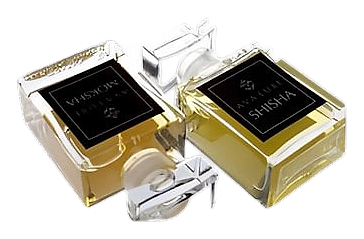
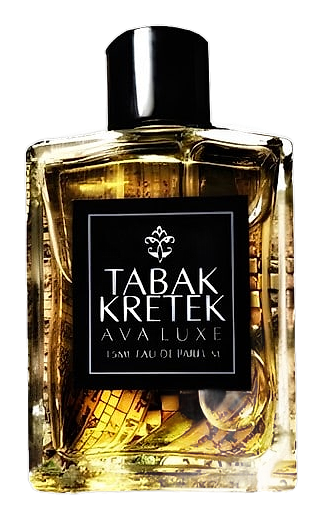
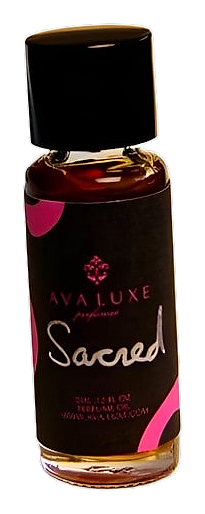
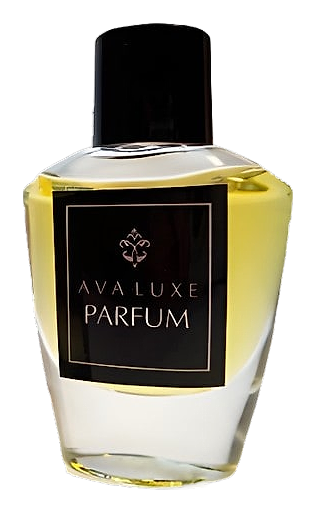
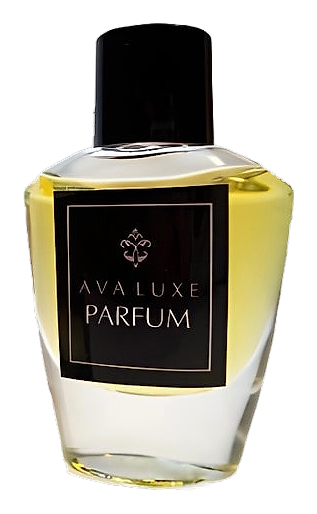
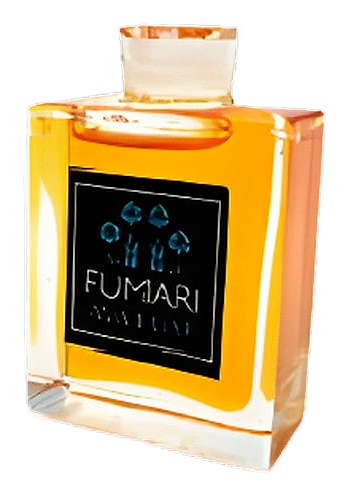
The story of Ava Luxe begins in 2004 when Serena Goode, a visual artist with a lifelong fascination for aroma, launched a small perfume studio in Massachusetts. Early on she chose to work outside the traditional house‑perfumer system, opting instead for a handcrafted approach that let her control every step of creation. In 2005 the brand opened its first online shop, joining a wave of independent perfumers who used the internet to reach collectors directly. By the end of the decade Ava Luxe had released a series of seasonal scents, including Gardenia (2000) and Bohemian Rose (2000), which earned modest but enthusiastic coverage in niche fragrance forums. 2007 marked the debut of No. 23, a composition that combined amber and spice and signaled a shift toward more complex extrait formats. The following year Rosa de la Luz arrived, pairing delicate rose with a luminous citrus accord and becoming a reference point for the brand’s floral work. Throughout the 2010s the house expanded its catalogue to over 160 fragrances, adding experimental releases such as the incense‑heavy No. 33 in 2024. Each launch was accompanied by a limited‑run production, reinforcing the maker’s commitment to rarity and personal connection. Ava Luxe also earned recognition as one of the few black‑owned, female‑founded fragrance houses in the United States, a status highlighted in community‑focused articles on Black History initiatives. The brand continues to operate from a modest studio, where Serena and a small team blend, test, and bottle each perfume shortly after an order is placed, preserving the freshness of raw materials and the intimacy of the creative process. Ava Luxe treats perfume as a personal narrative rather than a mass‑market commodity. The founder believes that scent should echo the wearer’s inner world, so each formula is designed to evolve on skin over time. The house emphasizes transparency, disclosing the three formula options it offers—eau de parfum, extrait and a lighter spray version—so collectors can choose the intensity that matches their lifestyle. Sustainability informs the brand’s values; ingredients are sourced from suppliers who practice responsible harvesting, and the studio avoids large‑scale production that can compromise ingredient integrity. Serena Goode often cites her background in visual arts as a guide for olfactory composition, arranging notes the way a painter layers color. The brand encourages experimentation, releasing limited editions that push the boundaries of traditional accords while staying rooted in classic perfumery techniques. Community feedback plays a role in the creative loop; the house monitors discussions on fragrance forums and incorporates constructive criticism into future releases, fostering a dialogue that feels more like a workshop than a one‑way sales pitch.