The Story
Why it exists.
The beginning
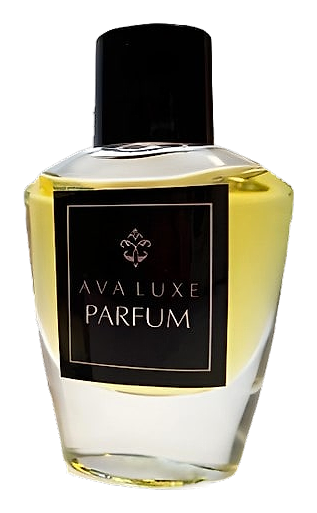
In 2008, perfumer Serena Ava Franco turned the city of Hong Kong into a fragrance. Not its skyline or its harbor, but the gardens. The quiet corners where green grows wild between concrete paths, where frangipani drops into warm stone. The composition opens with green notes, cassia, and lemon, a bright, almost bitter cut that arrives sharp and alive. Then it settles. A powdery heart of iris, white violet, and rose unfolds slowly, soft and intimate. The base brings sandalwood, ebony wood, and vetiver. Earthy, warm, grounded. Hong Kong Garden is East and West in one bottle: European florals meeting something greener, drier, more aromatic.
The green and powdery registers don't usually coexist this comfortably. Green notes call to freshness, brightness, the immediate. Powder calls to softness, warmth, the lingering. Hong Kong Garden bridges them. The cassia in the opening, a close cousin to cinnamon, slightly bitter, aromatic rather than sweet, gives the top an herbal edge that most powdery florals lack. Meanwhile, the orris root and vetiver in the base add an earthy, slightly green depth that grounds the powdery iris without drowning it. It's the kind of balance that rewards attention.
The evolution
The opening hits bright and sharp. Green notes, cassia, lemon, a freshness that announces itself clearly for the first 15 minutes before it begins to soften. The heart is where Hong Kong Garden earns its name. Powdery iris, white violet, and rose settle into something quiet and intimate. Musk adds warmth without sweetness. The drydown is the real payoff. Sandalwood and ebony wood build slowly, but the vetiver and oakmoss do the actual work, earthy, slightly green, like moisture on stone. The surprise is how the iris doesn't disappear in the base. It persists, powdery and soft, even as the woody warmth deepens around it. What remains on skin the next morning is a warm, close, quiet thing, sandalwood and vetiver softened by orris, intimate rather than announced.
Cultural impact
Hong Kong Garden occupies a specific corner of niche fragrance culture, the powdery, woody, slightly earthy space that appeals to those who want refinement without loudness. The earthy vetiver and oakmoss in the drydown add a quality that's less common in modern perfumery, drawing in wearers who appreciate something less predictable. The sillage stays intimate, which gives it a quiet exclusivity, compliments come from those standing close, not those across the room. The overall feel is refined without being formal, contemporary without chasing trends.