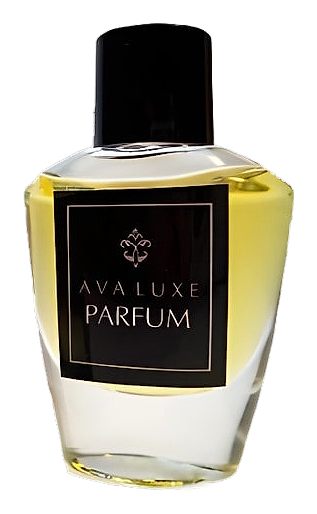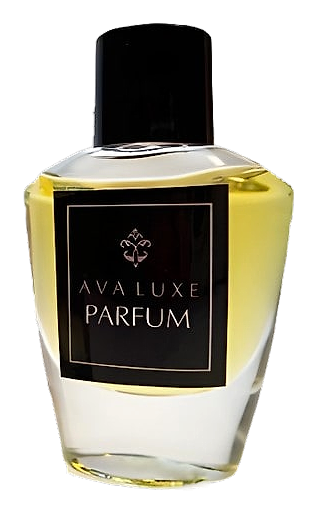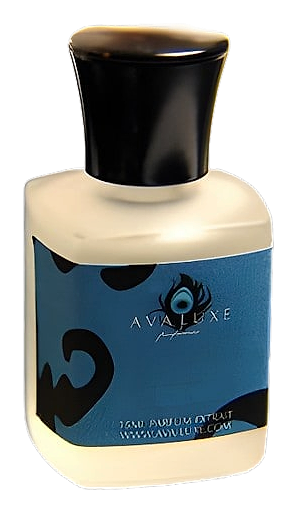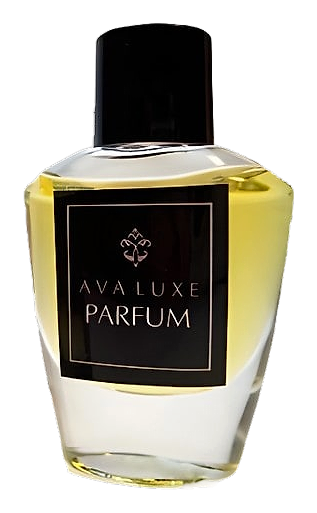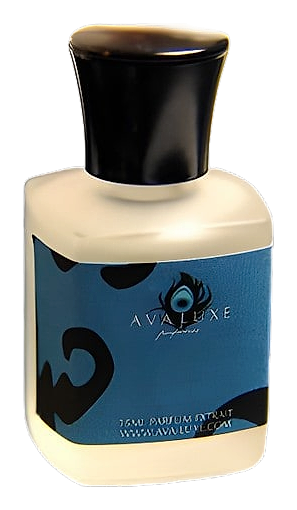

The Story
Why it exists.
The beginning
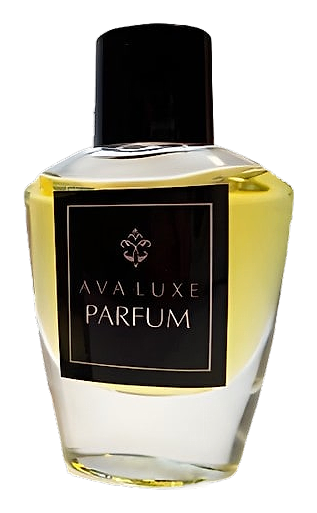
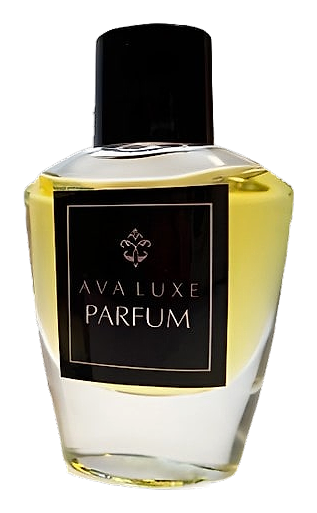
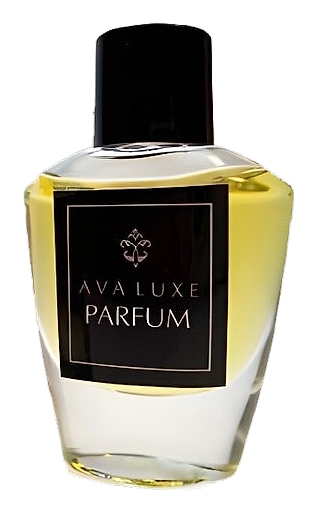
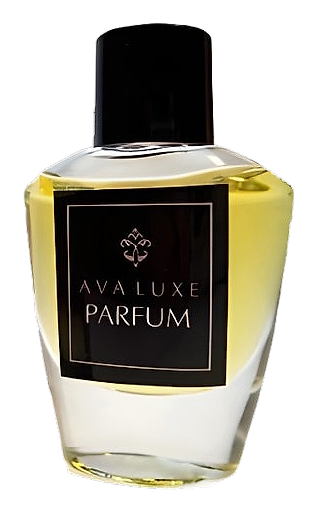
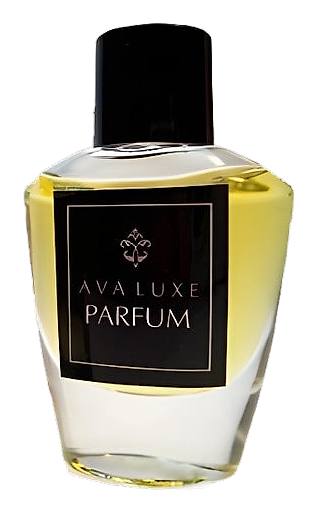
Egyptian Musk launched during the 2000s from the studio of Serena Ava Franco, a perfumer who chose to work outside the conventional house system. Her approach was simple: let the formula speak for itself, and trust the wearer to find their own relationship with the scent. The composition reflects that philosophy. One note, one intention, executed without complication. Egyptian musk has a long tradition in Middle Eastern perfumery, where the material is prized for its warm, almost suede-like softness on skin. The scent opens with that quiet, skin-close quality, then settles into something that feels less applied and more inhabited. No floral distraction, no spicy overture. Just musk, treated with the patience of someone who knows that the simplest formulas are the hardest to get right.
What makes this composition worth attention isn't a complex pyramid of rare materials. It's the opposite. A single note, musk, built so carefully that the result reads as creamy rather than sharp, powdery rather than soapy, warm rather than animalic. The accords listed as fresh and musky, powdery and animalic, describe the tension within a single material, not a construction. That tension is the composition. It's the reason this works as both a standalone scent and a layering base. The musk doesn't fight what you put on top. It smooths everything out.
The evolution
Egyptian Musk doesn't perform the way complex compositions do. There's no dramatic opening pivot, no surprising heart phase that reshapes everything. What you get instead is a slow settling. The scent arrives already calm, and over time it finds its resting tone: clean, warm, skin-close. The freshness accord fades early in the wear, replaced by the powdery softness that defines the drydown. The animalic edge, present but quiet, surfaces as the musk warms against body heat. Eventually you're wearing something that smells less like a perfume and more like a second layer of skin. The progression is gentle, almost imperceptible in the moment, which is precisely the point. On fabric the presence tends to linger. A scarf or collar the next morning can carry a faded trace of the scent, soft and faintly sweet, a reminder that the musk held onto the fibers long after it left the skin.
Cultural impact
Egyptian Musk occupies a specific place in the fragrance landscape. It's a clean musk composition that strips the category down to essentials, and that simplicity gives it a distinct identity. The fragrance appeals to wearers who prefer their scents close to the skin, understated, and free of the louder flourishes that define many modern releases. It's the kind of scent that rewards a wearer who values subtlety over statement. Within indie fragrance communities, Egyptian Musk has earned a quiet following. The composition's versatility is a big part of that appeal.
The House
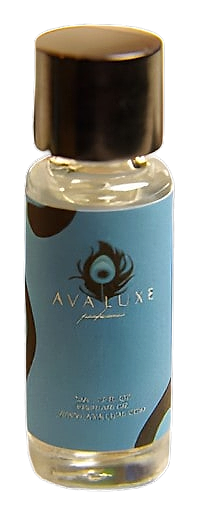
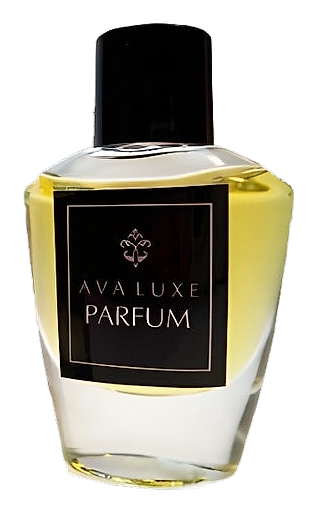
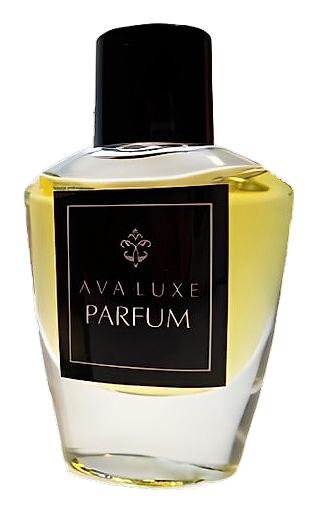
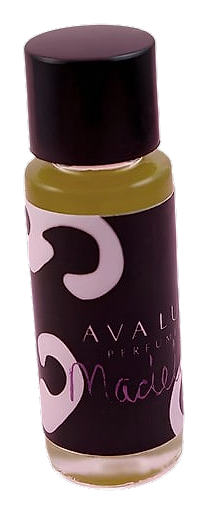
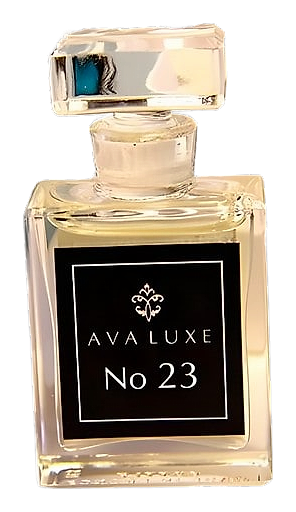
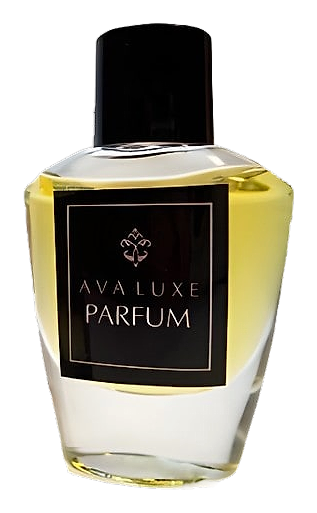
Ava LuxeAva Luxe is a niche fragrance house based in the United States that builds each scent by hand and ships it only after a customer places an order. The label offers a catalogue of more than 150 creations, ranging from the early Gardenia (2000) to recent incense‑rich extracts such as No. 33 (2024). Its founder, artist‑perfumer Serena Goode, treats perfume as a personal artwork, mixing ingredients in small batches to preserve nuance. The brand’s catalogue includes Oriental Musk, China Pearl, Rosa de la Luz (2008), Carnet de Bal, Ambre Fonce, Bohemian Rose (2000), Love’s True Bluish Light, Madonna Lily and No. 23 (2007). Ava Luxe positions itself as a laboratory for scent exploration, inviting collectors to discover a fragrance that feels like a private signature.
The Creator
Serena Ava FrancoSerena favors natural absolutes and carefully sourced synthetics, layering them to create depth without relying on heavy fixatives. She frequently begins with a bright top—citrus or green herb—then introduces a heart built around tuberose, jasmine, or absinthe leaf, honoring t…