The Story
Why it exists.
The beginning
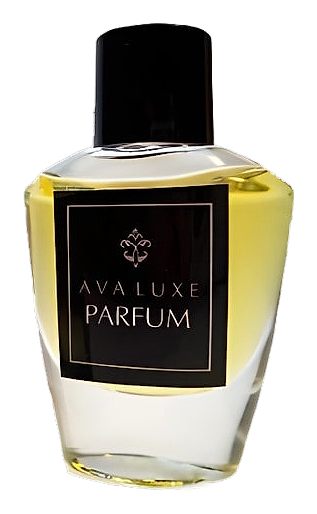
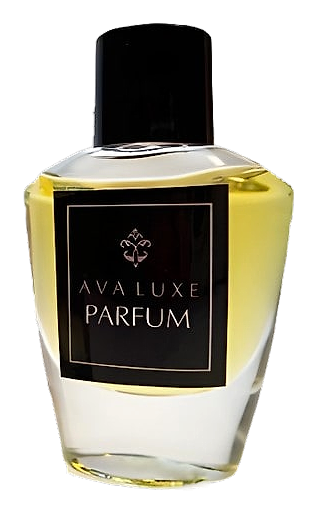
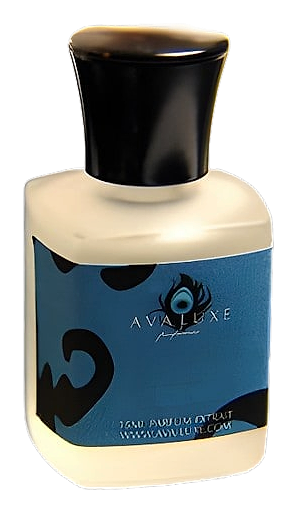
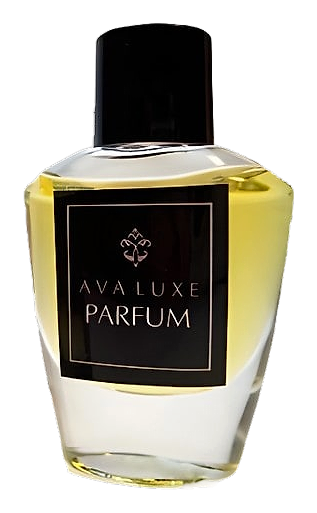
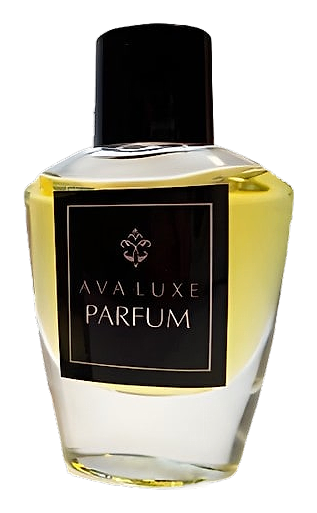
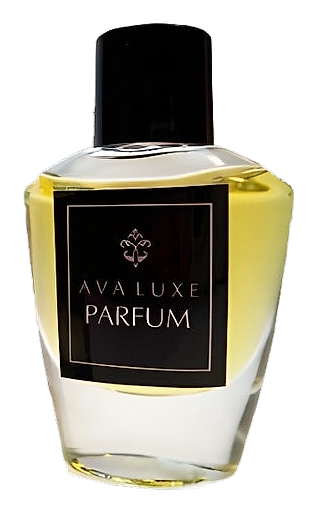
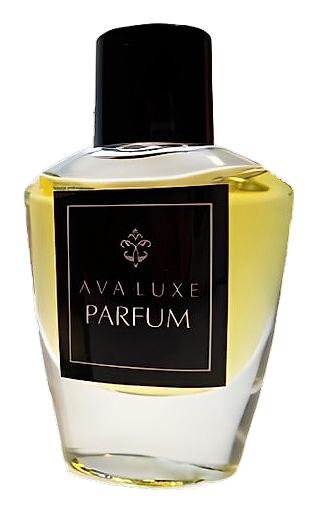
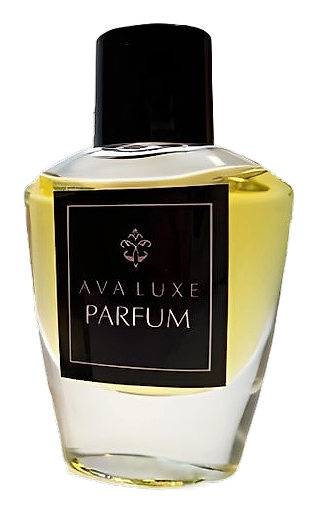
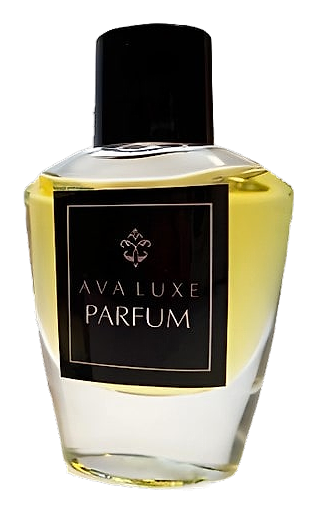
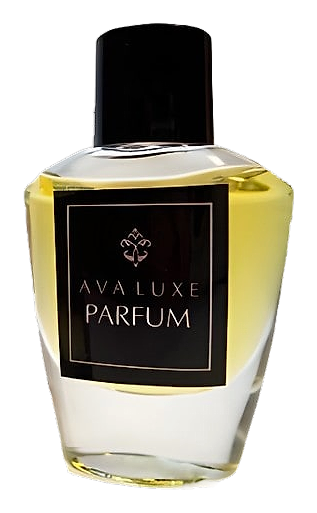
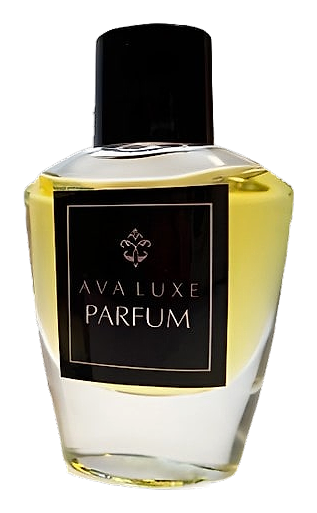
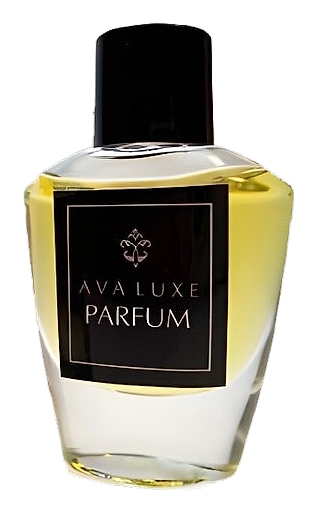
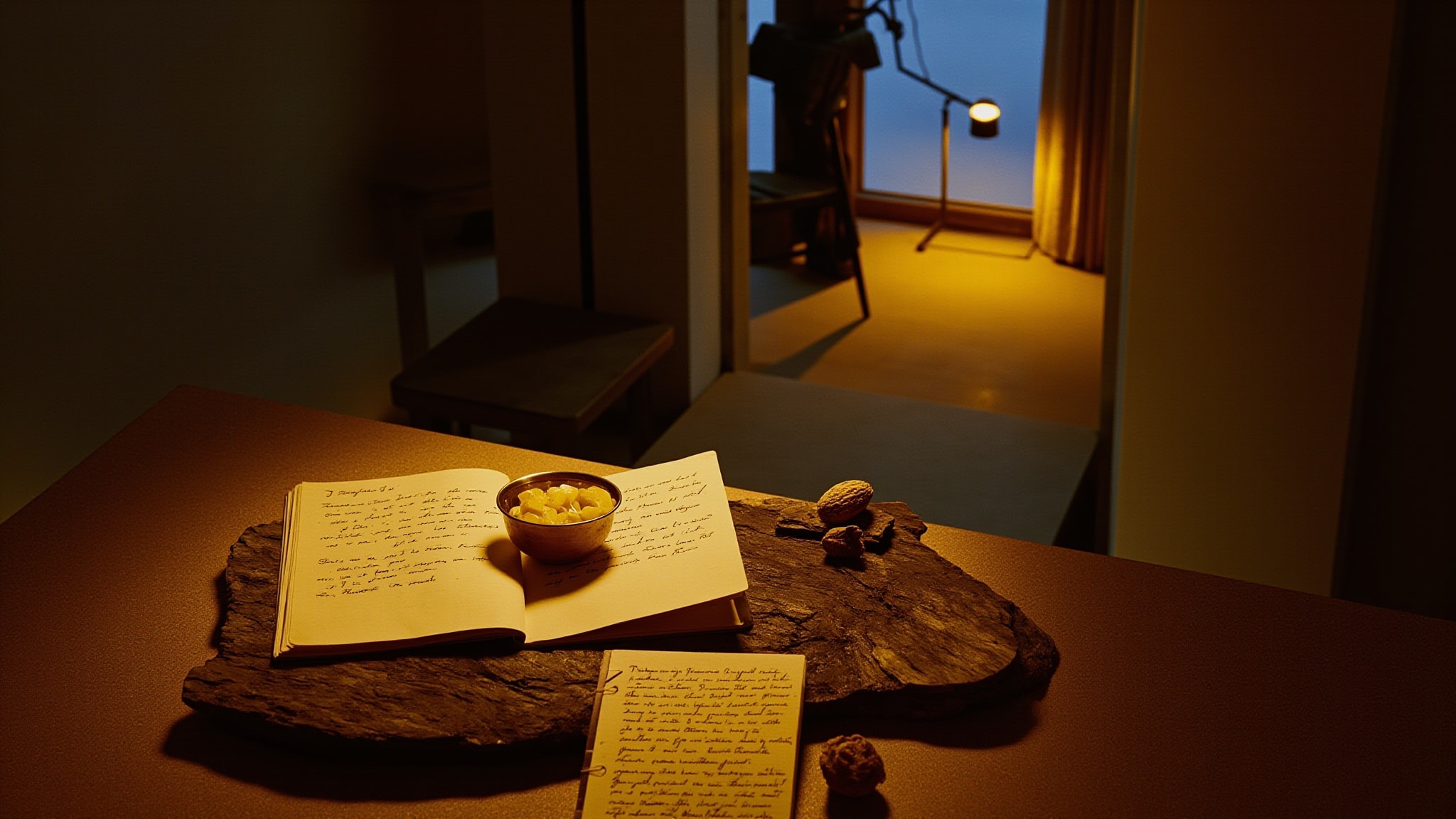
Olibanum takes its name from the resin itself, the teardrop sap of the Boswellia tree, a botanical that has been gathered for thousands of years. Serena Ava Franco built this composition around pure olibanum absolute from Africa, then layered it with rich spices sourced from Madagascar and grounded the whole thing in sensuous musks and precious woods. It launched during the 2000s and reads as a meditation aid as much as a personal scent. The official positioning gestures toward raising spiritual vibrations, though there's nothing theatrical about the wearing. It smells like resin on a wooden altar, translated into something a person carries on skin rather than burns in a room.
What sets Olibanum apart is how unapologetically it leans into the frankincense note. Most compositions use olibanum as a supporting player, a smoky accent in something else. Here it is the something else. The resin opens the composition and anchors every phase that follows. Madagascar spices bring nutmeg and cardamom into the resinous warmth. Agarwood (oud) deepens the shadow without turning the whole thing into a heavy Middle Eastern composition. Labdanum adds an ambered, almost leathery sweetness that keeps the incense from feeling austere. Cypress and cedar sharpen the edges, preventing the warmth from going soft. Musk rounds everything into skin territory.
The evolution
The opening is bright and almost candied. Bergamot and cardamom lift the first few minutes, giving Olibanum an unexpected lift that keeps it from smelling like church. Then the frankincense takes hold. Not sharply, not like smoke from a blown-out match, but like resin warming slowly in a brass bowl, spreading outward through the middle phase. As the composition settles, cedar and Indonesian sandalwood anchor the structure while labdanum warms the spaces between. Nutmeg weaves through the heart, a quiet spice that keeps the incense from feeling monastic. Agarwood (oud) appears here too, adding depth without dominating. The drydown is where Olibanum becomes most intimate. The oud, the musk, the sandalwood settle into the skin and stay close. The base notes have a slow patience to them, holding their shape rather than dissolving into a generic wood haze.
Cultural impact
Olibanum sits in a quiet corner of the niche world, known mostly to collectors who actively seek out Ava Luxe's handcrafted catalogue. The composition holds a particular gravity, an atmospheric weight that sets it apart from louder fragrance launches, closer to skin and closer to ritual. Within the broader landscape of incense-led niche perfumery, this one prioritizes presence over projection, asking to be noticed by the wearer rather than by a room. The meditative framing the house gives it isn't accidental; the resin, the woods, the musks all conspire to make the scent feel less like an accessory and more like an environment you carry.
The House
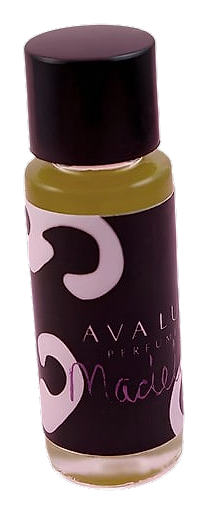
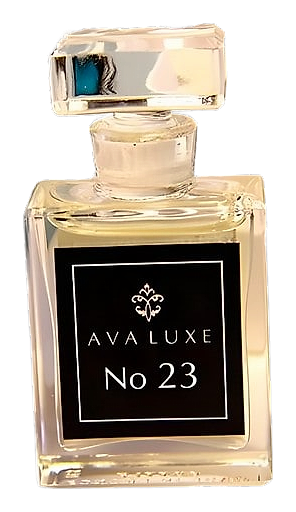
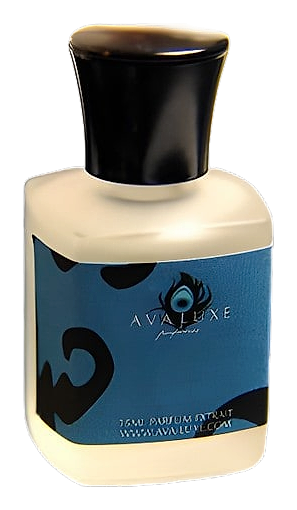
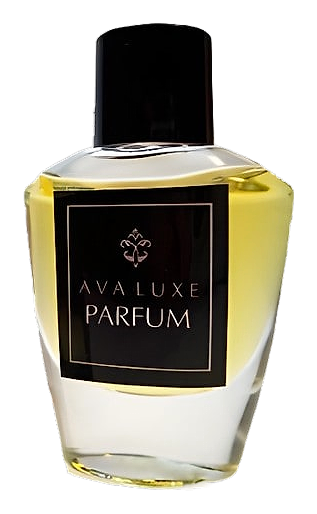
Ava LuxeAva Luxe is a niche fragrance house based in the United States that builds each scent by hand and ships it only after a customer places an order. The label offers a catalogue of more than 150 creations, ranging from the early Gardenia (2000) to recent incense‑rich extracts such as No. 33 (2024). Its founder, artist‑perfumer Serena Goode, treats perfume as a personal artwork, mixing ingredients in small batches to preserve nuance. The brand’s catalogue includes Oriental Musk, China Pearl, Rosa de la Luz (2008), Carnet de Bal, Ambre Fonce, Bohemian Rose (2000), Love’s True Bluish Light, Madonna Lily and No. 23 (2007). Ava Luxe positions itself as a laboratory for scent exploration, inviting collectors to discover a fragrance that feels like a private signature.
The Creator
Serena Ava FrancoSerena favors natural absolutes and carefully sourced synthetics, layering them to create depth without relying on heavy fixatives. She frequently begins with a bright top—citrus or green herb—then introduces a heart built around tuberose, jasmine, or absinthe leaf, honoring t…