
The Story
Why it exists.
The beginning
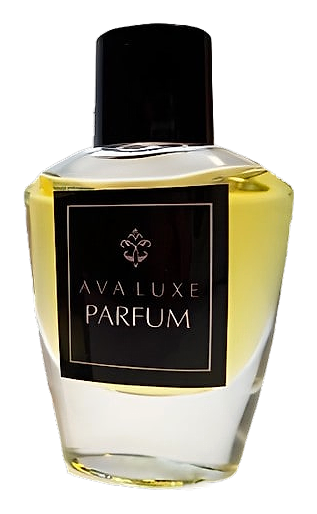
Mousse de Chine belongs to the long catalog Ava Luxe has built, where each release leans on classic perfumery structures as a way to organize the work. The chypre architecture here is deliberate, the kind of moss-and-amber template that has anchored the genre for decades. Working within a recognized framework lets the composition speak through execution rather than novelty. The moss backbone, the amber warmth, the floral lift that keeps things from going too dark on skin. Mousse de Chine is a study in what happens when a classic structure gets poured into extrait concentration and left to evolve slowly. The higher dosage extends each phase, stretches the opening, and lets the drydown linger in a way lighter formulations rarely manage.
The composition earns its name honestly. Oakmoss and Spanish moss carry the heart, layered with amber and lavender and that quietly bitter edge that defines the chypre family. The result here is a chypre that reads as one piece rather than a pyramid, the citrus opening acting as a bright ribbon across an otherwise earthen core. The way the notes stack matters. Bergamot gives the first few minutes their lift, then steps aside as the mosses settle into the composition and start to dominate.
The evolution
First thirty minutes, and Mousse de Chine is a clean burst. Bergamot and lime cut sharp, almost soapy, the way a fresh citrus accord always reads at the top of a chypre. Then the moss arrives, and the mood shifts. Spanish moss and oakmoss bring that damp-forest-floor quality, paired with lavender that holds its own against the greener notes. The amber underneath warms the whole thing from within, adding a faint golden sweetness that sits just below the surface. By hour three the citrus is gone, replaced by labdanum and ambergris in a slow handshake that turns powdery and close to skin. The extrait concentration carries this last phase the longest. As the hours pass, the moss recedes and the amber takes over more of the space, and the whole composition settles into a quieter, more resinous register that stays warm and understated for the rest of the wear.
Cultural impact
Mousse de Chine arrives at a moment when moss-driven compositions carry a particular weight in collector circles, valued for the depth and complexity they bring to a fragrance wardrobe. The chypre category has long occupied a place of respect among wearers who appreciate its balance of green, floral, and resinous elements, and this particular release reads as a careful study of that tradition. The extrait concentration matters here, lifting the composition above the lighter interpretations that dominate contemporary shelves and giving each note room to register fully.