The Story
Why it exists.
The beginning
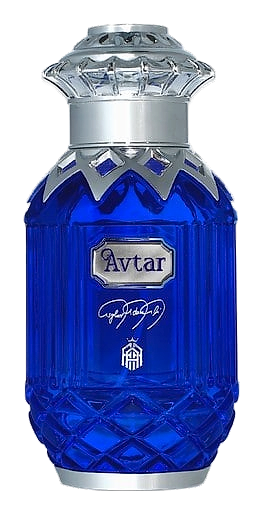
Avtar is the perfumer's own name translated into the bottle. Asghar Adam Ali turned his name into a composition, giving the fragrance a personal center and a strong sense of identity. The name is associated with incarnation and personification, suggesting a principle or essence made physical. The fragrance carries that concept through its layered notes, which move from bright citrus and aromatic lavender into spices, floral materials, resins, leather, amber, and soft musks. Rather than relying on a single gesture, Avtar builds its character through contrasts: cool iris beside warm resins, crisp bergamot against deep benzoin, and lively pink pepper over a smooth base.
The note list reads like a meeting point between two traditions. Provençal lavender and iris sit alongside Indian cardamom, clove, and pink pepper, then resolve into Arabian-leaning leather, labdanum, benzoin, and amber. It is not a purist's oud composition, nor a clean European aromatic. It lives in the overlap, combining aromatic materials, warm spices, floral notes, resins, and animalic impressions in a composition with a distinctly tactile finish.
The evolution
The first ten minutes are all chatter. Bergamot, mandarin, and a blast of lavender cut through the air, sharpened by pink pepper, cardamom, and a thread of ginger. It is bright and bracing, with a cool aromatic edge. After about thirty minutes the spices step back and the iris takes the wheel, powdery and cool, warmed by rose and the green-fruity impression of fig leaf. Geranium adds a herbal lift, and the whole heart feels like a well-cut jacket, structured but not stiff. By hour three the composition has shifted firmly into its base. Leather, labdanum, and benzoin create a resinous warmth. Tonka and vanilla sweeten without going gourmand, and the ambroxan and musk give it skin-like persistence. The lactones add a creamy, almost milky undertone, while the animalic impression stays present like a low pulse.
Cultural impact
Avtar can be read through the materials that shape its composition rather than through a wider industry narrative. Lavender, iris, rose, cardamom, clove, and pink pepper meet leather, labdanum, benzoin, amber, tonka, vanilla, ambroxan, and musk. That mixture creates a layered impression, moving from bright and aromatic to soft, resinous, and gently animalic. Its appeal lies in the tension between contrasting notes: the opening is crisp and lifted, the heart is powdery and floral, and the base is warm and textured. This gives the fragrance a personal character while leaving room for the wearer to discover each stage as it develops.
The House
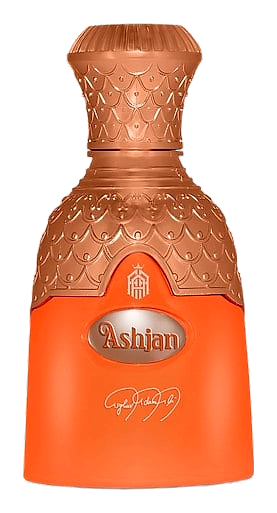
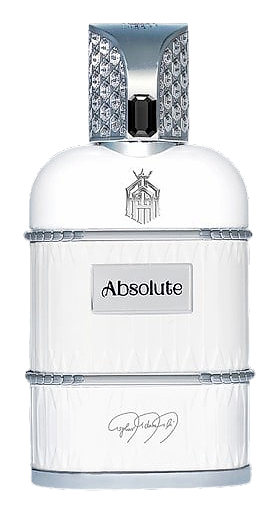
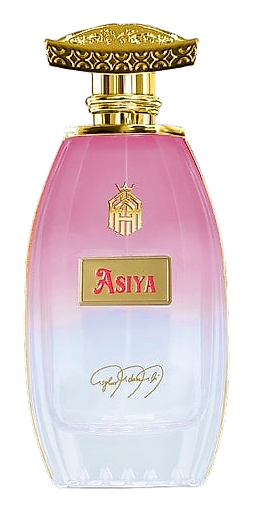
Asghar Adam AliAsghar Adam Ali is the fragrance name associated with the founder of Nabeel Perfumes, a house established in Aden in 1969 before its founder relocated to the United Arab Emirates. The brand draws on the founder’s Yemeni roots, his early life around perfume, and the oud-centered traditions of the Gulf. Its current catalog on fragrance platforms includes Absolute, Avtar, Asiya, and Ashjan, all listed as 2025 releases. Public information also connects Asghar Adam Ali with The Spirit of Dubai and Shumukh Signature Bakhoors, presenting his work across fine fragrance and the broader bakhoor tradition. The house stands apart through a history rooted in shopkeeping, regional perfumery, and a later Dubai setting.
The Creator
Asghar Adam AliAsghar favors a layered architecture that begins with a bright, citrus or spice top, settles into a heart of floral or resin, and rests on a deep, woody base. He frequently employs raw oud, ambergris, and musk, pairing them with rare spices such as cardamom and nutmeg.