The Story
Why it exists.
The beginning
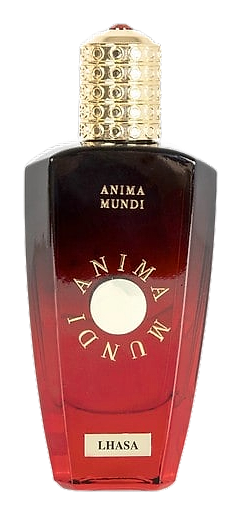
Lhasa launched in 2020, one of several fragrances from Anima Mundi that reads the sensory history of ancient civilizations through a modern perfumer's lens. The composition itself acts as the brief, the perfumer building a mood rather than a literal recreation, constructing what the air might have smelled like: cold, sharp, and faintly sacred. The niche house, part of the Niche and Co. family, built Lhasa around that idea. Every note choice serves the central tension between altitude and warmth, between air that feels like it's been thinned by distance and the spice-flecked heat that accumulates as the hours pass.
What makes Lhasa work is the tension between its aromatic top notes and the ozonic, aquatic notes threading the heart. The bergamot, lemon, juniper, and lavender could easily become a standard fresh aromatic if left unchecked. But the mint, fennel, and ozone push the composition somewhere stranger, colder, and more like mountain weather than a Mediterranean garden. The base anchors all that altitude with cedarwood, guaiac wood, sandalwood, patchouli, and amber, plus clary sage absolute carrying forward the herbaceous thread. It's a structure built around temperature, not sweetness.
The evolution
The opening hits immediately and doesn't waste time. Bergamot and lemon cut first, sharp and citrus-bright, but the black pepper, cardamom, ginger, and juniper berries are right behind them, turning the freshness into something warmer within ten minutes. The clary sage and lavender soften the edges just enough so it doesn't read as masculine cologne. Thirty minutes in, the heart takes over. Fennel and litsea cubeba add a green, almost anise-like coolness, while the mint sharpens everything to a point. The ozonic notes do their work here too, creating a sense of space, like wind moving through open terrain. The composition shifts around the two-hour mark as the woods arrive. Cedarwood and guaiac wood bring warmth without weight, and the sandalwood rounds things out. The amber and patchouli underneath give the drydown a soft, slightly smoky depth.
Cultural impact
Lhasa occupies a particular corner of the niche landscape, and the fragrance itself is the reason it draws attention. The ozonic notes in the heart give it a windswept quality, while the cedar and sandalwood base anchors that airiness in something warmer and more grounded. The opening pepper and ginger carry enough heat to keep the freshness from tipping into the generic. Some wearers find the combination reads as clean and architectural; others hear something more herbal and spiced. That range of interpretation is part of what gives the fragrance its character.