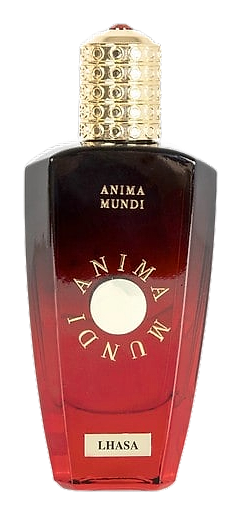
The Story
Why it exists.
The beginning
Dusara takes its name from Petra, the ancient Nabatean capital carved into cliffs, a city where incense and myrrh moved east to west for centuries. That crossroads of trade and culture is the brief. Not a reconstruction of ancient perfume, but the atmosphere of a place: stone, sand, spices arriving on camelback. The perfumers Andrea Thero Casotti and Cristian Calabrò built around cypriol, saffron, and Calabrian bergamot, layering in oud and warm woods. What emerged isn't a history lesson. It's the feeling of standing in a carved canyon as the sun drops and the air turns cool, present in a way that has nothing to do with modernity. The opening arrives with bergamot's bright citrus clarity, quickly joined by saffron's honeyed, metallic spice.
The pairing of cypriol with saffron is the telling decision here. Cypriol, also called nagarmotha, is earthy, slightly medicinal, with a camphorated edge that reads as ancient in a way few modern materials can. Saffron adds dusty sweetness and a faint animal warmth. Together they create something that feels discovered, not manufactured. The woody base and amber don't soften this pairing, they frame it, giving it somewhere to settle without losing its edge. This is a composition that holds its unusual character all the way through.
The evolution
The opening is brief but bright: bergamot and cypress arriving crisp, almost sharp. Within minutes, cypriol takes over and the character shifts entirely, earthy, grounded, slightly bitter in a way that refuses easy comfort. The saffron doesn't sweeten this phase; it complicates it, adding warmth that sits against the earth like sunlight on dry stone. The transition to drydown is slow. You won't notice it happening, one moment the fragrance is projecting its heart notes, the next you're leaning in to find oud and amber holding close to the skin, woody and warm, still carrying traces of that cypriol backbone. This is where it lives for hours. On fabric, the drydown can linger into the next day, faint, warm, quiet.
Cultural impact
Dusara holds its Petra concept and refuses to let go. For wearers who connect with that story, the scent becomes secondary to what it represents. The fragrance appeals to those who seek something that exists outside the mainstream niche conversation entirely. Its devoted following shares stories of wearing it during quiet moments of reflection, finding in its layered complexity something that feels both timeless and deeply personal. The scent has become a quiet marker of identity for people who prefer substance over trend.
The House
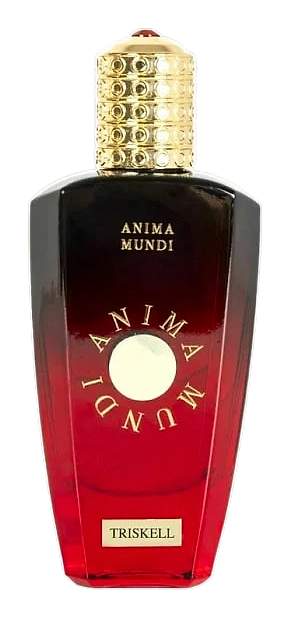
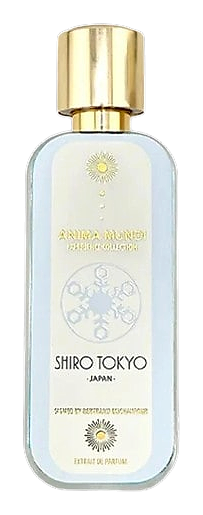
Anima MundiAnima Mundi is a Swiss niche fragrance house that channels the spirit of ancient civilizations into wearable perfume. The name comes from Latin, meaning "Soul of the World", and the brand lives up to this cosmic ambition by drawing inspiration from lost empires, sacred rituals, and the sensory heritage of Mesopotamia, Egypt, and Rome. Each fragrance functions as a time machine, inviting wearers to experience the incense-laden air of ancient temples, the botanical gardens of antiquity, and the trade routes that once connected East and West. The house operates as part of the Niche and Co. family alongside Onyrico Parfums, both overseen by founders Giorgio Biella and Emilia Armida Chinigò. Anima Mundi fragrances are distinguished by their narrative depth, anchoring each composition to a specific historical moment or cultural practice. The collection spans pieces named after Egyptian deities, Maya cities, and sacred botanical traditions, creating a portfolio that reads like a fragrant history lesson.
The Creator
Andrea Thero Casotti & Cristian CalabròCasotti favors contrast. He layers bright citrus or aromatic herbs with deep woods, amber, and oud, creating a push‑pull that keeps the nose engaged.