The Story
Why it exists.
The beginning
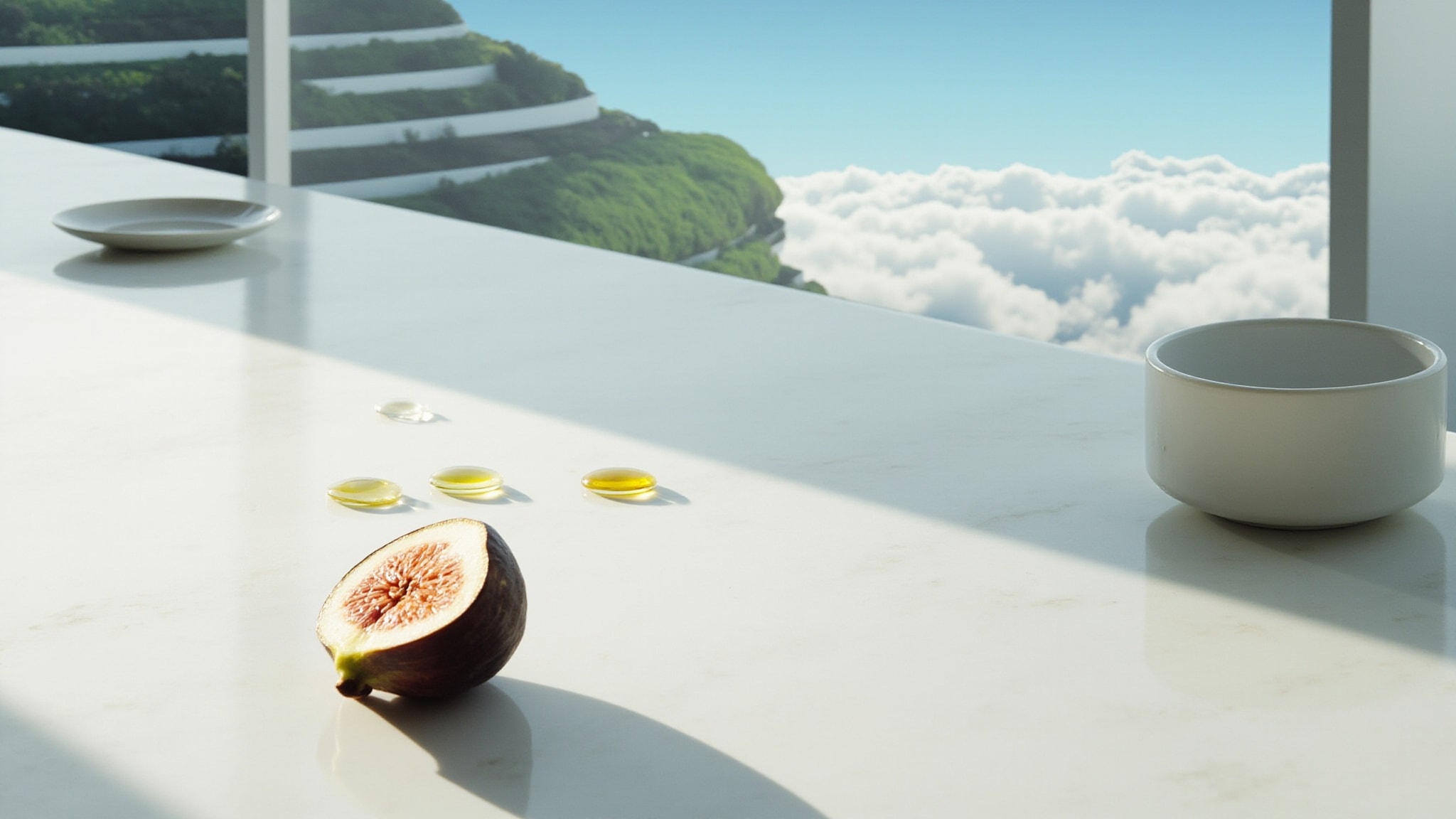
Amytis was a queen of Babylon, wife of King Nebuchadnezzar II, and legend credits her with inspiring one of the Seven Wonders of the Ancient World. Homesick for the lush hills of her Persian homeland, she found the flat Mesopotamian plain unbearable. So her husband built upward: terraced gardens rising like green architecture, irrigated by an engineering feat that defied the surrounding desert. The Hanging Gardens of Babylon were a love letter in architecture. Amytis the fragrance is a love letter in scent. Perfumer Michele Marin translated that impossible paradise into something you can actually wear, green, luminous, and perpetually alive.
What makes this composition unusual is its handling of the fig note. Rather than the jammy sweetness common in many fig fragrances, Amytis captures the whole tree: the green stems, the slightly milky fruit, the aquatic quality of the sap. This is possible because the heart stacks fig against galbanum and aquatic notes, a trio that creates an almost mist-like quality, as if the gardens were still wet from morning irrigation. Ylang-ylang and jasmine bring tropical richness without tipping into sunscreen territory. The result is a green fragrance that smells genuinely wet, genuinely alive, not the dry herbaceousness of a martini, but the saturated green of growing things.
The evolution
The opening is immediate and confident, bergamot and grapefruit arriving together, citrus oils that don't ask permission. Beneath them, galbanum adds an herbal bite that keeps the top from feeling like a cleaning product. This bright phase lasts roughly thirty minutes before the green heart begins to emerge. Fig announces itself with that characteristic milky sweetness, but the aquatic notes carry it somewhere unexpected, this is not a fruit scent, it's a water scent wearing fruit as a disguise. Geranium adds a crispness that contrasts with the softness of the ylang-ylang and jasmine. Rose lingers in the background, never fully blooming. By hour two, the florals soften and the base takes over: sandalwood providing warmth, patchouli lending depth, musk smoothing everything into skin-close proximity. Pink pepper appears late, adding a delicate spice that catches you off guard if you're not paying attention. The drydown stays close, moderate sillage throughout, this is not a fragrance that announces itself across a room.
Cultural impact
Amytis arrived at a moment when green fragrances were experiencing a quiet renaissance within the niche perfume community, offering an alternative to the oud and amber dominance of the previous decade. Anima Mundi, the Swiss house behind the scent, has built its identity on historically-inspired compositions, and Amytis represents their attempt to translate an ancient legend into contemporary wearable form. The use of fig as a central pillar in a green-aquatic context proved unexpected, challenging assumptions about how traditionally sweet or lactonic materials could function within fresh compositions.
The House
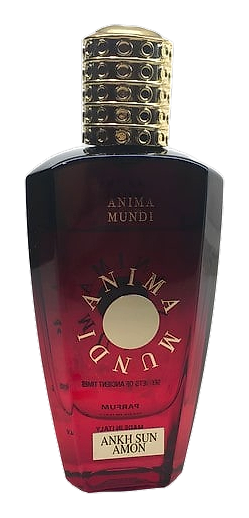
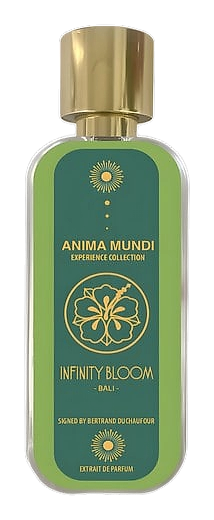
Anima MundiAnima Mundi is a Swiss niche fragrance house that channels the spirit of ancient civilizations into wearable perfume. The name comes from Latin, meaning "Soul of the World", and the brand lives up to this cosmic ambition by drawing inspiration from lost empires, sacred rituals, and the sensory heritage of Mesopotamia, Egypt, and Rome. Each fragrance functions as a time machine, inviting wearers to experience the incense-laden air of ancient temples, the botanical gardens of antiquity, and the trade routes that once connected East and West. The house operates as part of the Niche and Co. family alongside Onyrico Parfums, both overseen by founders Giorgio Biella and Emilia Armida Chinigò. Anima Mundi fragrances are distinguished by their narrative depth, anchoring each composition to a specific historical moment or cultural practice. The collection spans pieces named after Egyptian deities, Maya cities, and sacred botanical traditions, creating a portfolio that reads like a fragrant history lesson.
The Creator
Michele MarinMichele favors a hand‑crafted approach, blending natural absolutes with a few synthetics that add depth. He often starts with a base of amber, labdanum or vetiver, then layers fruit or spice to create contrast.