
The Story
Why it exists.
The beginning
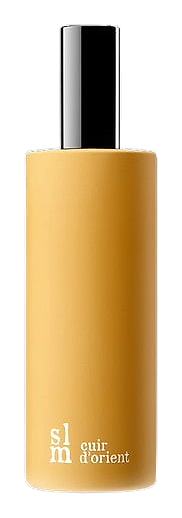
The name Cuir d'Orient arrived with Sous le Manteau's 2016 debut collection, a five-fragrance introduction that made no small entrance. Nathalie Feisthauer translated the house's mood of concealment and desire into a leather composition that refused convention. Oriental leather, yes, but softened. Treated. Made to rest against the skin rather than announce itself from across the street. The suede note became the spine of the whole structure, warm, tactile, intimate. 2016. Five scents dropped at once. Cuir d'Orient had to earn its place in that lineup, and the name itself announced the intent: leather from the East, but reinterpreted through a French sensibility.
The base is where Cuir d'Orient reveals its hand. Vanilla absolute, benzoin, opoponax, three balsamic materials that layer warmth upon warmth. Ambrette adds a clean musky undercurrent that keeps the sweetness from cloying. Patchouli grounds everything in earth. But the real trick is the suede itself. This isn't sharp, tobacco-stained leather. It's suede softened by heliotrope's powdery floral and orris root's violet-dust elegance. The combination transforms leather into something that smells like skin that happens to be wearing leather, never harsh, always inviting.
The evolution
Bergamot hits first, clean, citrus-bright, gone within the hour. Then the handoff: suede and heliotrope arrive together, the leather warm and close, the floral adding its cherry-almond whisper. This middle phase lasts. Two to three hours of powder-soft suede that sits inches from the skin. The drydown belongs to vanilla and benzoin, sweet, balsamic, skin-warm. Ambrette keeps it musky-clean underneath. Patchouli lingers longest, faint and earthy, the next morning's ghost on fabric. Six to eight hours total. The sillage never builds. It hovers. It whispers. That's not a limitation, that's the whole point.
Cultural impact
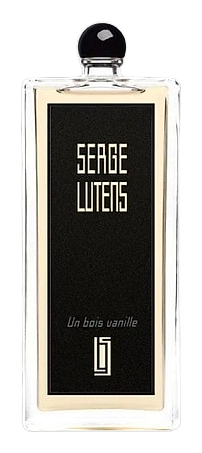
Cuir d'Orient carved a specific niche: powdery leather for people who find traditional leather fragrances too aggressive. The scent draws comparisons to Serge Lutens Daim Blond, similar intimacy, similar wispy quality, but Cuir d'Orient offers superior longevity. Wearers describe it as covertly seductive: the kind of fragrance that makes someone lean in rather than step back. It attracts a particular sensibility: people who understand that presence doesn't require volume.
The House
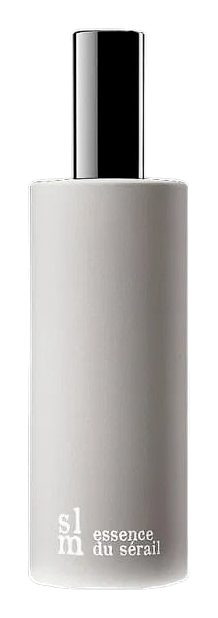
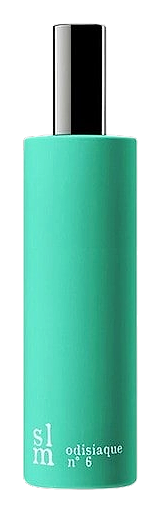
Sous le ManteauSous le Manteau is a niche fragrance house founded in 2016 by Olivia Bransbourg, a French-born creator who developed an interest in perfume at age five. The brand name translates to "under the cloak" or "secretly," reflecting an underlying philosophy of concealed narratives and hidden desires woven into each scent. With the collaboration of perfumer Nathalie Feisthauer, the house crafts fragrances that prioritize emotional resonance and olfactory storytelling over conventional commercial appeal. The collection includes Cuir d'Orient, Poudre Impériale, Vapeurs Diablotines, Fontaine Royale, Essence du Sérail, and Odisiaque No6 (2021), with each fragrance representing a distinct chapter in an ongoing sensory exploration.
The Creator
Nathalie FeisthauerIn the studio Feisthauer favors a linear approach: she isolates a core accord, then builds outward with complementary facets. She often begins with a mineral or green element, adding depth through woods, resins, or subtle spices.