The Story
Why it exists.
The beginning
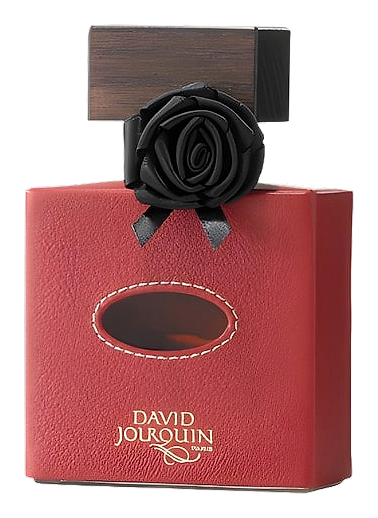
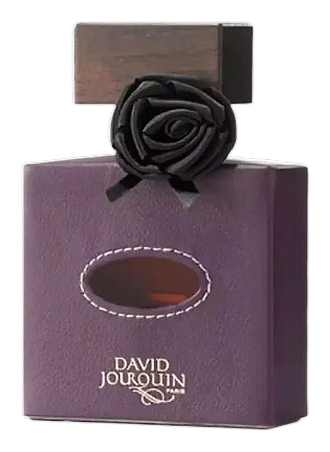
David Jourquin founded his French house in 2011 with a focused mission: exploring leather in all its guises. After the citrus-tinged Cuir Mandarine established the aesthetic in 2011, the house spent three years developing something richer. The brief called for opulence, warmth, and depth. To achieve this, Jourquin turned to Cécile Zarokian, a perfumer known for her ability to handle complex natural materials with precision. The collaboration yielded Cuir Altesse in 2014, a fragrance that treats leather not as a solo instrument but as part of an ensemble. The perfumer was given latitude to build around a leather core while adding layers of spice, florals, and resins that elevate the material into something regal.
The note selection reflects a deliberate philosophy: each layer should amplify the leather without overwhelming it. Cardamom and pink pepper open with a spice that honors leather's historical association with aromatic resins. The rose and patchouli heart draws on the classic chypre structure, creating a bridge between old-world perfumery and contemporary taste. The drydown, heavy on benzoin and vanilla, leans into the warmth that defines the entire Cuir collection. Pairing-wise, the fragrance benefits from restraint in other applications. A simple wardrobe of quality materials, whether wool or cotton, allows the scent to speak without competition.
The evolution
The opening sets an immediate tone: orange provides a jolt of citrus energy, cardamom contributes an aromatic sharpness that cuts through any sweetness, and pink pepper offers a nuanced heat that lingers just long enough. This trifecta creates an introduction that is both dynamic and controlled, signaling that this leather will not be a simple, rustic affair. The heart phase represents the fragrance's most complex territory. Patchouli arrives with its characteristic earthiness, grounding the more volatile opening notes. Rose petals introduce a dried, slightly bitter floral quality that reads as sophisticated rather than feminine. Clove and cumin work in tandem, adding warmth and a subtle animalic edge that gives the leather narrative a human quality. Jasmine appears as a quiet backbone, preventing the spices from dominating. The drydown marks a shift toward permanence. Leather becomes the undisputed protagonist, but benzoin, coumarin, vanilla, and oakmoss transform it into something softer and more inviting.
Cultural impact
Since its 2014 debut, Cuir Altesse has become a reference point for modern leather fragrances, influencing a wave of niche releases that blend spice with warm amber. Its distinctive use of pink pepper and orange top notes introduced a fresh, citrus‑spiced opening that many perfumers have echoed in subsequent creations. Collectors often cite the fragrance as a turning point in the evolution of leather scents, noting how its balanced heart of patchouli, rose, and cloves bridges traditional leather intensity with contemporary gourmand nuances. Over the years, Cuir Altesse has appeared in numerous fragrance forums and tasting events, sparking discussions about the role of oriental spices in masculine compositions.