
The Story
Why it exists.
The beginning
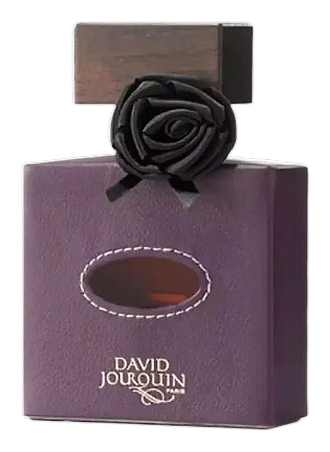
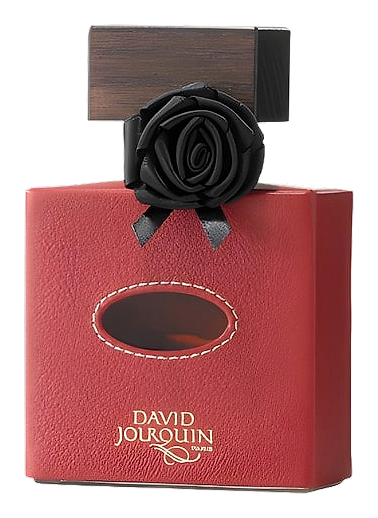
Cuir de R'Eve arrived in 2014 as part of David Jourquin's ongoing investigation into what leather can become. Where the house's earlier Cuir Mandarine used bright citrus to soften the hide, Cuir de R'Eve took a different route, into powder, into florals, into the softness that leather sometimes only suggests. The name carries it: R'Eve, a dream, Eve herself stepping out of something softer than a morning. Perfumer Cécile Zarokian built the composition around the tension between leather's natural warmth and the cool, violet-tinged elegance of iris and heliotrope, then let red fruits and vanilla carry the sweetness that makes it unmistakably feminine without tipping into girlish. It is leather reimagined as a second skin rather than a statement.
What makes Cuir de R'Eve unusual is how it uses leather as a texture rather than a protagonist. The leather accord here is suede, not hide, soft, warm, close to the body. It doesn't project so much as exhale. Around it, heliotrope brings its characteristic almond-powder warmth, and orris root adds a cool, violet-dust elegance that lifts the whole composition into something that reads as floral first, leathery second. The red fruits, raspberry, cherry, whatever the blend actually contains, keep the heart from becoming too austere, adding a blush of sweetness that reads as youthful without being juvenile.
The evolution
The opening is a quick, bright thing, bergamot and pink pepper arriving together, the cloves adding a warmth that keeps the citrus from reading as sharp. It lasts maybe twenty minutes before the florals take over: heliotrope and orris emerging slowly, the red fruits appearing somewhere in the background like a color shift rather than a distinct phase. The leather doesn't announce itself. It arrives. By the second hour, the composition has settled into its most characteristic state, powdery, warm, close to the skin. Vanilla and patchouli carry the drydown, the leather now fully integrated, no longer a note so much as a feeling. On most skin types this holds for eight to ten hours, moderate sillage throughout, intimate by design.
Cultural impact
Leather occupies a storied corner of French perfumery, tracing its roots to the seventeenth century when glove makers in Grasse first scented their tanned hides to mask animalic odors. This accidental marriage between hide and fragrance gave birth to an entire genre. By the late nineteenth century, houses like Guerlain elevated the leather accord from craft trick to luxury cornerstone, establishing it as one of perfumery's most prestigious categories. The Guerlain family's innovations with the 'cuirs' series set a benchmark that shaped the industry for decades. David Jourquin's Cuir de R'Eve arrives as a contemporary chapter in this lineage, not through traditional leather materials like labdanum or styrax, but through a more modern aromatic interpretation.