
The Heritage
The Story of David Jourquin
David Jourquin is a French niche perfume house founded in 2011 by the eponymous perfumer. The brand builds a small but focused catalogue around leather‑centric scents, each released under the Cuir series. From the bright citrus‑leather of Cuir Mandarine (2011) to the sun‑kissed warmth of Cuir d’Eden (2022), the line explores how leather can shift tone, texture and memory. The house positions its creations as personal olfactory sketches rather than mass‑market statements, inviting wearers to experience a moment of authentic presence.
Heritage
David Jourquin launched his eponymous brand in Paris in 2011 after years of experimenting with scent in his family home. Early interviews describe a childhood split between a mother who surrounded the household with exotic fragrances and a grandmother whose strong character left an imprint of leather‑filled memories. The first public offering, Cuir Mandarine, arrived the same year and paired bright mandarin notes with a refined leather accord, signaling the house’s intent to reinterpret classic materials. In 2014 the line expanded with Cuir Altesse, a richer composition that deepened the leather focus with amber and woody undertones. The following year brought Cuir Caraïbes, a tropical twist that blended marine accords with the familiar leather heart, while Cuir Venitien (2016) introduced a Mediterranean spice dimension. Collaboration with perfumer Cécile Zarokian, noted in Fragrantica’s catalogue, helped refine the technical balance of these accords. The most recent addition, Cuir d’Eden (2022), revisits the series with a luminous, sun‑lit leather that references the brand’s ongoing dialogue with memory and place. Throughout its first decade, David Jourquin has remained independent, producing limited batches in a Parisian atelier and avoiding large‑scale distribution channels. The house’s milestones reflect a steady commitment to personal storytelling through scent rather than rapid expansion, a strategy that has earned it a dedicated following among collectors who value authenticity over hype.
Craftsmanship
David Jourquin produces its scents in a small Paris workshop that follows a hands‑on, batch‑by‑batch method. The house sources high‑grade leather accords from European suppliers known for traditional tanning techniques, then blends them with natural extracts such as mandarin oil, amber resin, and Mediterranean herbs. Collaboration with perfumer Cécile Zarokian brings technical expertise to the formulation stage, ensuring that each note integrates without overpowering the leather core. After the initial blend, the mixture rests for several weeks, allowing the components to harmonize. The team conducts sensory evaluations in a quiet lab, recording impressions and adjusting ratios as needed. Bottling occurs in a glass facility that uses dark, thick containers to protect the perfume from light degradation. Each bottle receives a hand‑applied label and a sealed cap, reflecting the brand’s attention to detail. Quality control includes a final olfactory check by the founder before release, guaranteeing that the finished product matches the original memory it intends to evoke. The limited production run, typically a few hundred bottles per launch, allows the house to maintain consistency across each batch.
Design Language
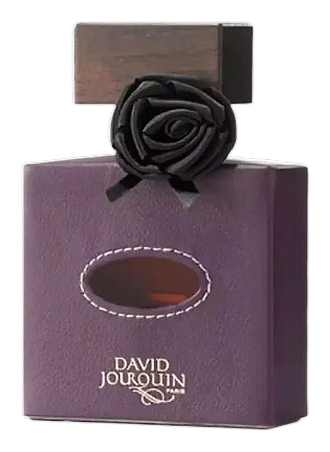
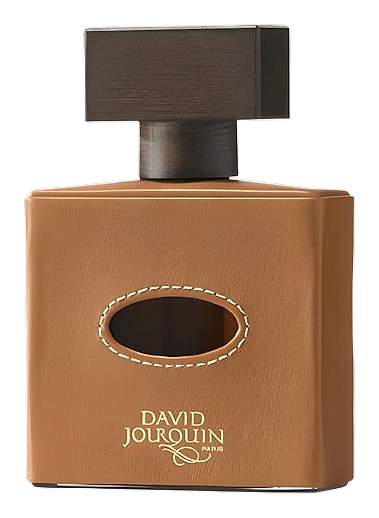
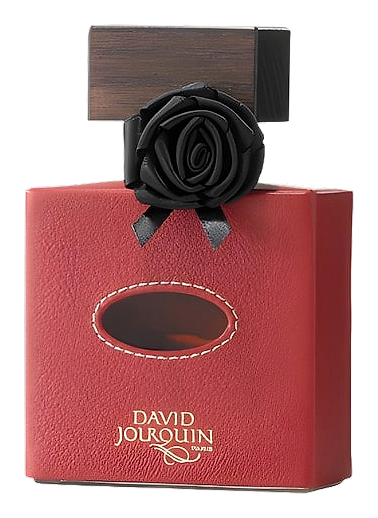
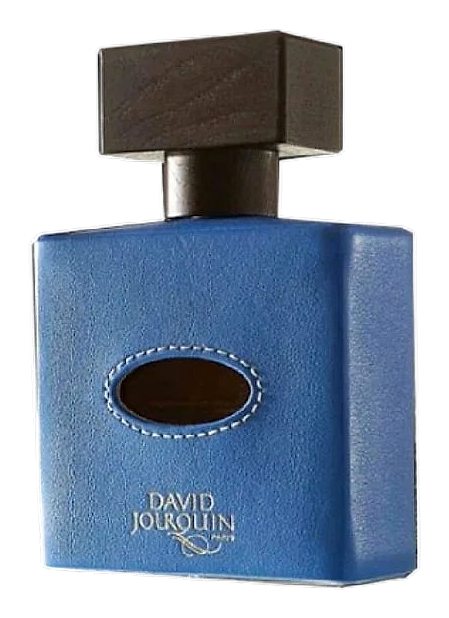
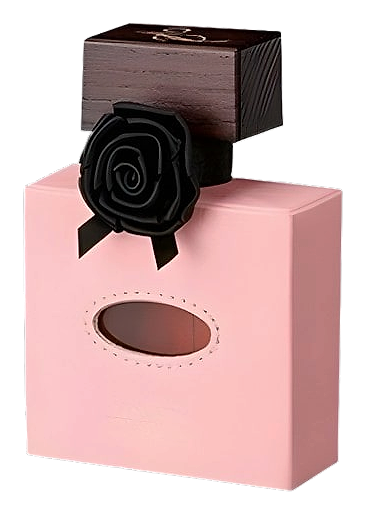
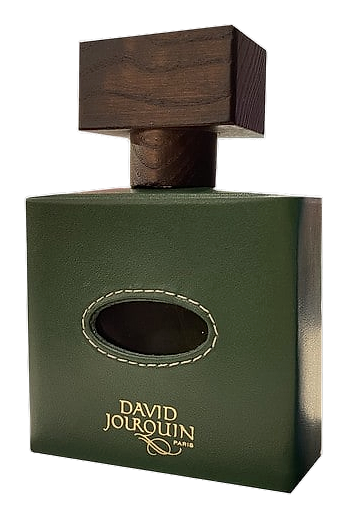
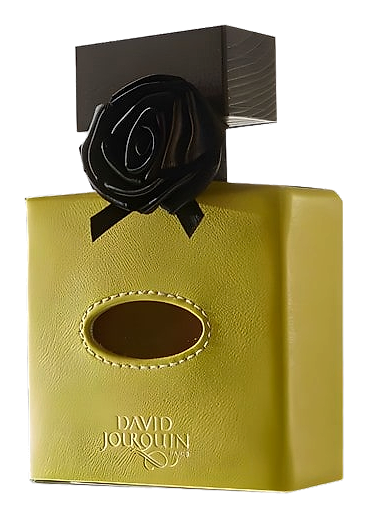
The visual language of David Jourquin mirrors its olfactory focus on leather and memory. Bottles feature sleek, dark glass that recalls the depth of a leather hide, while the caps are finished in brushed metal or matte gold, offering a subtle contrast. Labels display the brand name in a clean, sans‑serif typeface, often accompanied by a small illustration of a leather strip or a vintage key, hinting at the personal stories behind each scent. The packaging adopts a minimalist palette of black, deep brown, and occasional muted teal, reinforcing the notion of understated elegance. In the Paris boutique, interior design incorporates reclaimed wood, leather upholstery, and soft amber lighting, creating an intimate space where visitors can explore the fragrances without distraction. Promotional photography favors close‑up shots of the bottle against textured backgrounds, emphasizing materiality over glamour. This cohesive aesthetic reinforces the brand’s commitment to authenticity and sensory depth.
Philosophy
The founder describes his work as a sensory journey that begins with a memory and ends with a bottle. He repeatedly emphasizes the idea of "being" rather than "appearing," a phrase that appears in early brand statements and interviews. Each fragrance aims to capture a specific emotional moment, whether it is the scent of a childhood garden or the tactile impression of a well‑worn leather jacket. The Cuir series embodies this approach: leather serves as a canvas on which other notes paint a story. Rather than chasing trends, the house pursues a quiet confidence, letting the composition speak for itself. The brand also values transparency; it acknowledges that every drop reflects a personal experience, and it invites wearers to attach their own narratives to the scent. This philosophy aligns with a broader niche movement that privileges intimacy and craftsmanship over mass appeal.
Key Milestones
2011
David Jourquin founded the perfume house in Paris and launched Cuir Mandarine, the first leather‑focused fragrance.
2014
Release of Cuir Altesse, expanding the series with richer amber and woody accords.
2015
Cuir Caraïbes debuted, adding marine and tropical notes to the leather foundation.
2016
Cuir Venitien entered the line, introducing Mediterranean spice elements.
2022
Cuir d’Eden launched, offering a luminous, sun‑kissed leather composition.
At a Glance
Brand profile snapshot
Origin
France
Founded
2011
Heritage
15
Years active
Collection
1
Fragrances released
Avg Rating
4.5
Community sentiment
Release Rhythm


