The Story
Why it exists.
The beginning
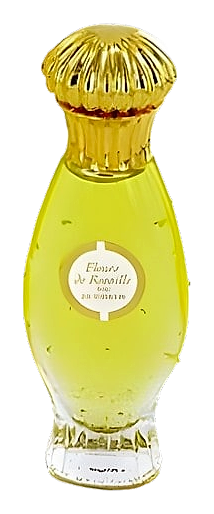
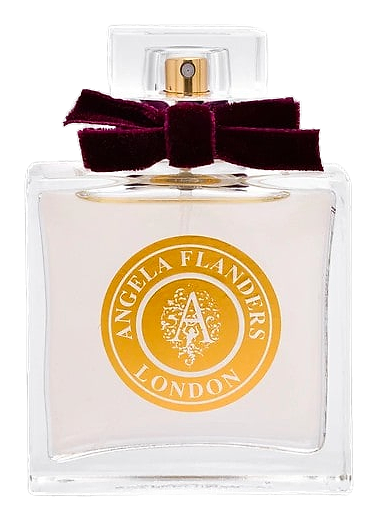
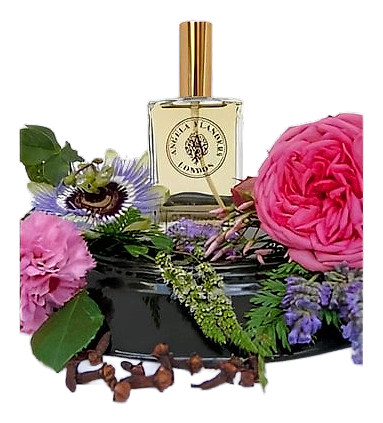
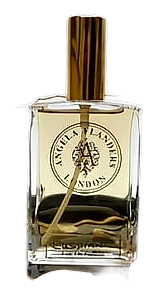
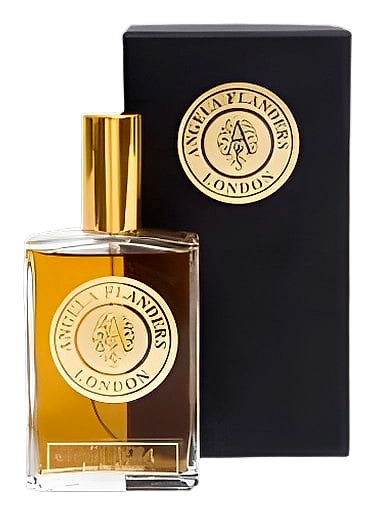
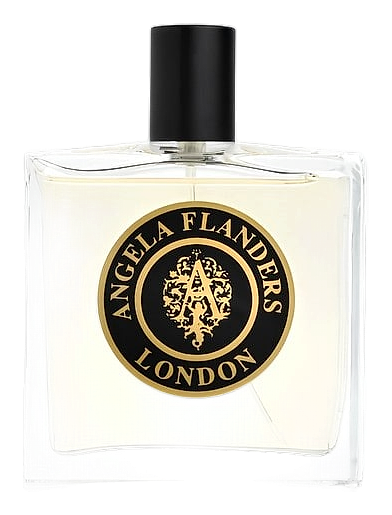
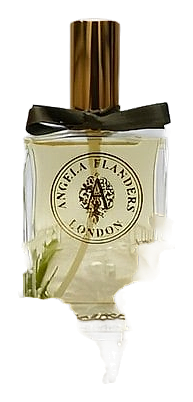
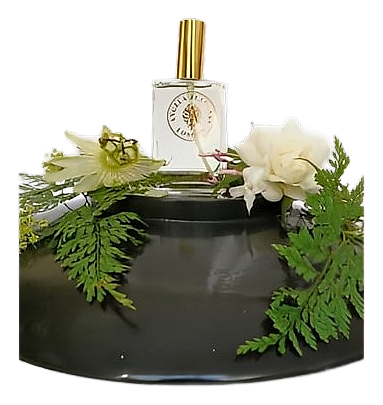
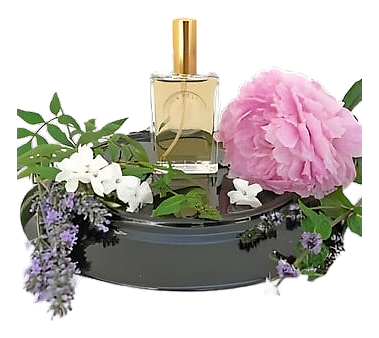
Millefleurs arrived in 1996, and reads like a direct transcription of the flower market just outside the shop door. By then, Angela Flanders had been working as a self-taught perfumer in East London, building a quiet body of work that drew on the sensory world around her. Millefleurs sits within her catalogue as one of her floral compositions, made in small batches and rooted in material rather than concept. The brief was unapologetically floral: roses, violets, a wash of lavender, the sort of heady sweetness that hangs in warm air. Nothing complicated, nothing clever. Just a garden, caught mid-summer, translated into something you can wear close to the skin.
What's interesting here is the restraint. Millefleurs doesn't bury its florals; it lets rose and violet carry the opening, then hands off to a heart that smells genuinely herbal, almost aromatic, before settling into a base that's woody without going dark. The lavender does heavy lifting, bridging the powdery florals to the warm sandalwood underneath. There's a clarity to the structure, a sense that each note has been placed where it belongs and then left alone. The florals don't collapse into sweetness, and the woods don't tip into something sombre or overwrought.
The evolution
The first minutes are all rose and violet, that particular powdery sweetness that defines the opening. Rose arrives with a rounded fullness, dewy and generous, while violet brings a softer, slightly confectionary edge, the kind of sweetness that feels more like sugar dust than syrup. There's no sharp citrus to cut through; the florals arrive unannounced and unaccompanied. The lavender settles in quickly, cooling the top notes and adding a clean, almost medicinal brightness that keeps the sweetness from tipping into something syrupy or heavy. Then something shifts as the hours pass: the florals recede, and the base comes forward with quiet confidence. Sandalwood arrives first, creamy and hushed, followed by cedar that adds a dry, papery texture, the sort of wood note that feels more like a sun-warmed shelf than a forest floor.
Cultural impact
Millefleurs reflects what Angela Flanders has always done: translate the sensory world around her shop into something wearable. The fragrance is rooted in the flower market just outside the door, built from material and memory rather than trend or concept. It is a straightforward rose-violet-woody composition, the kind of structure that can still feel like a quiet discovery. The scent doesn't lean on elaborate construction or novelty; it simply offers what it offers, clearly and without embellishment.