
The Story
Why it exists.
The beginning
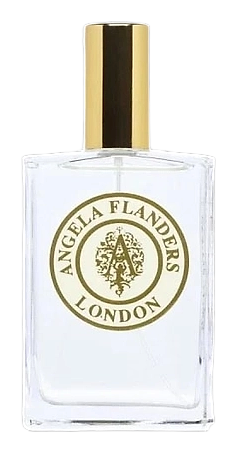
Angela Flanders, trained in the flower markets of East London, designed Mandarin and Mint as a tribute to the crisp produce and cooling herbs she encountered daily. Launched in 1991, the perfume captures the energy of market stalls piled high with bright citrus and bundles of fresh mint. Rather than creating a sugary citrus scent, Flanders structured the fragrance to mirror the actual experience of walking past herb stalls, where green aromas compete with the sharp tang of citrus in the cool morning air.
The note pyramid reflects a deliberate philosophy: start with the most accessible, approachable citrus and end with something that requires patience. Green mandarin orange and neroli invite the wearer in, while clary sage and lavender provide the aromatic complexity that separates this from simpler citrus fragrances. Mint bridges the opening and heart, maintaining freshness while the lavender and sage add depth. Galbanum as the anchor is the signature choice, ensuring the fragrance does not remain purely cheerful but evolves into something with more character and longevity.
The evolution
The opening burst of green mandarin orange and neroli recreates the immediate impact of picking up a piece of fresh citrus, all bright acidity and a hint of floral sweetness. As the clary sage and lavender emerge, the fragrance shifts from market stall to the herb counter, where cooling mint leaves release their fragrance in waves. The mint in particular keeps the composition feeling airy and refreshing despite the herbal complexity. When galbanum arrives in the drydown, the transformation is dramatic: the bright citrus and mint recede, replaced by the deep, bitter-green intensity of galbanum that lingers long after the earlier notes have faded.
Cultural impact
Mandarin & Mint arrived in the early 1990s, a period when unisex fragrances were still a niche. Its green mandarin opening and mint‑herb heart resonated with a generation seeking casual, gender‑neutral scents that could transition from office to weekend. The perfume’s modest price point and straightforward composition helped democratise niche‑style freshness, influencing later releases that emphasized bright citrus paired with aromatic herbs. Over three decades, it has maintained a steady presence in boutique shelves, becoming a reference point for designers aiming to capture a crisp, garden‑inspired vibe without veering into overtly gourmand territory.