The Story
Why it exists.
The beginning
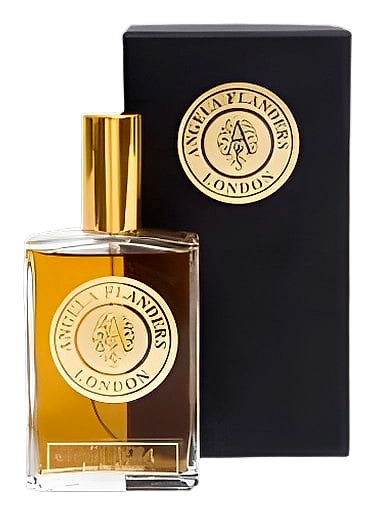
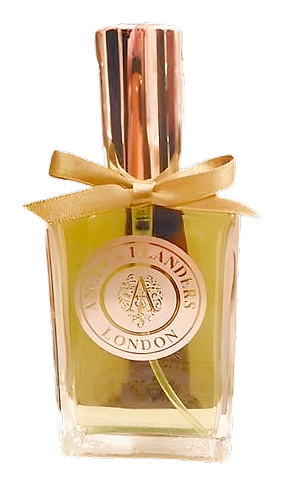
Caspian arrived in 1987 from Angela Flanders, a name that had already begun to mark its own territory in independent perfumery. The fragrance was composed as a classic chypre with a cool, ozonic twist, letting oakmoss and smoky vetiver anchor a structure designed to smell like weather, not decoration. The name points somewhere wide and atmospheric, the kind of place where land meets water and the air carries something mineral, not sweet. You get the sense that Flanders wanted to capture that sensation directly, to bottle the feeling of standing at a shoreline where the breeze pulls something cold and stony off the water's surface.
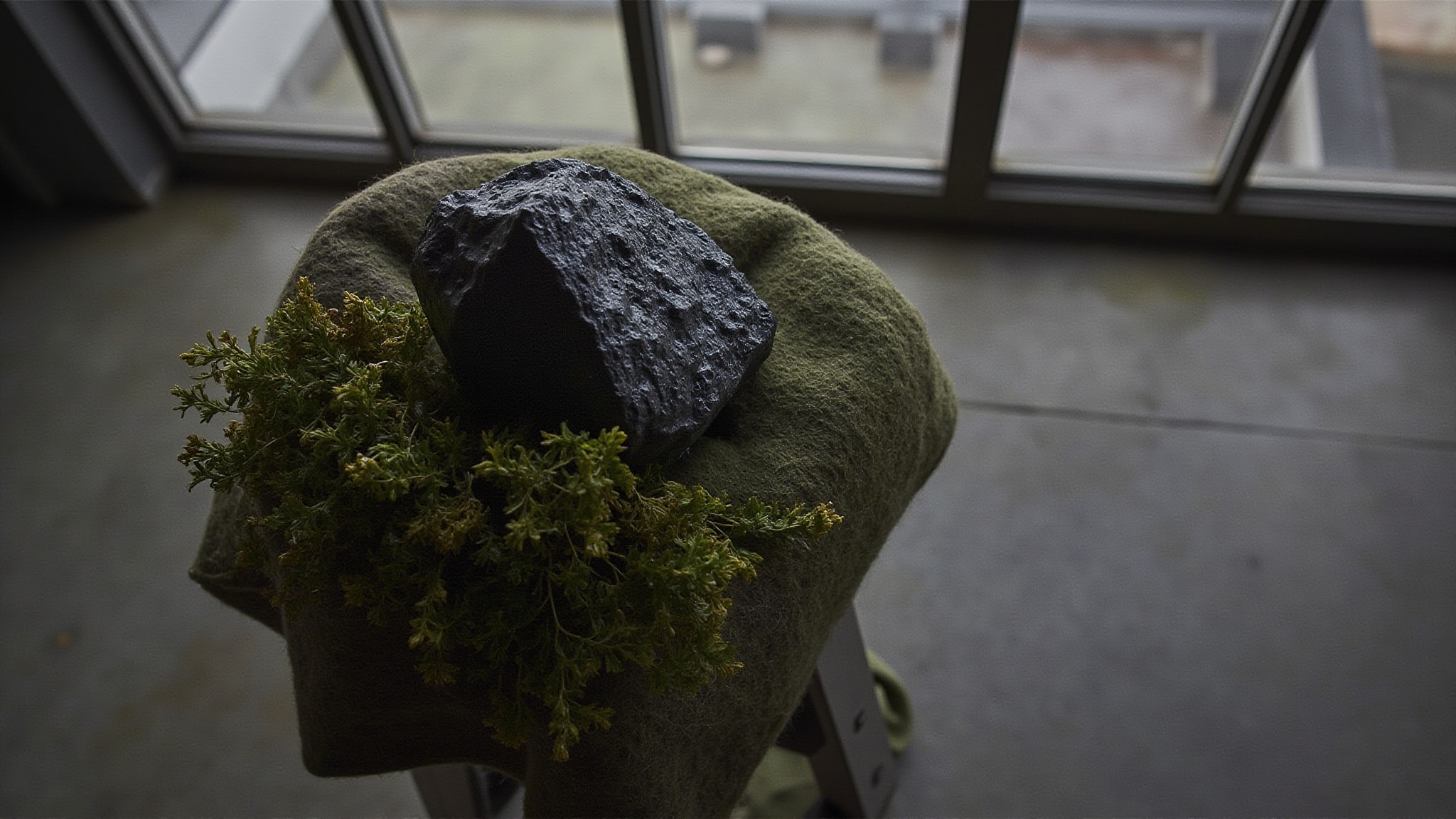
What's unusual here is the marriage of chypre and ozonic. These are two languages that rarely share a sentence. Ozonic notes tend toward aquatics and transparents, while chypre pulls you into forest floor and damp bark. Caspian threads them together by treating freshness not as citrus or mint but as atmosphere, a cold, moving quality that sits on top of the moss and vetiver without dissolving them. The result is a composition that feels architectural, built from contrast rather than layered similarity. Smoky vetiver does the heavy structural work, oakmoss provides the damp foundation, and the ozonic top keeps the whole thing from sinking into something purely earthy.
The evolution
The first 15 minutes belong to the cold, watery top. Airy, almost transparent, with a mineral quality that reads more like sea spray than any citrus. It doesn't shout. It just clears the space around you. Around the 20-minute mark, the ozonic lifts and the heart takes over. Oakmoss arrives with weight, then smoky vetiver follows, giving the composition a darker, drier character. The shift is gradual, not dramatic. You feel the temperature drop, not a new scent entirely. By the two-hour mark, everything has settled into a close, warm drydown. Amber and musk take over, and the oakmoss-vetiver base loses its sharp edges and turns almost creamy. This phase lasts longest, sitting intimate on skin and leaving a soft, mossy warmth that reads on clothes the next day as something gently smoky and clean.
Cultural impact
There's something quietly particular about wearing a chypre in the current fragrance landscape, a category that rewards patience and structural appreciation over immediate impact. Caspian appeals to wearers who want something understated and serious, the kind of person who notices what a composition does before deciding whether they like it. It doesn't announce itself, and that restraint is part of its appeal. The fragrance rewards the kind of attention that most louder releases don't ask for, the slow reading of how oakmoss and vetiver interact over hours, how the cold opening gives way to warmth without ever losing its mineral undertone.