The Story
Why it exists.
The beginning
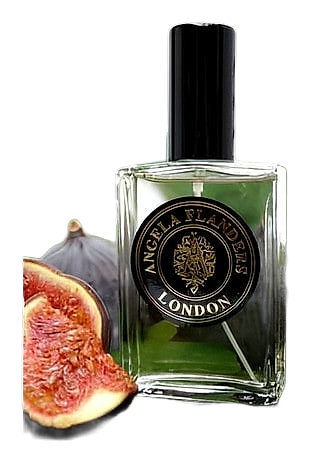
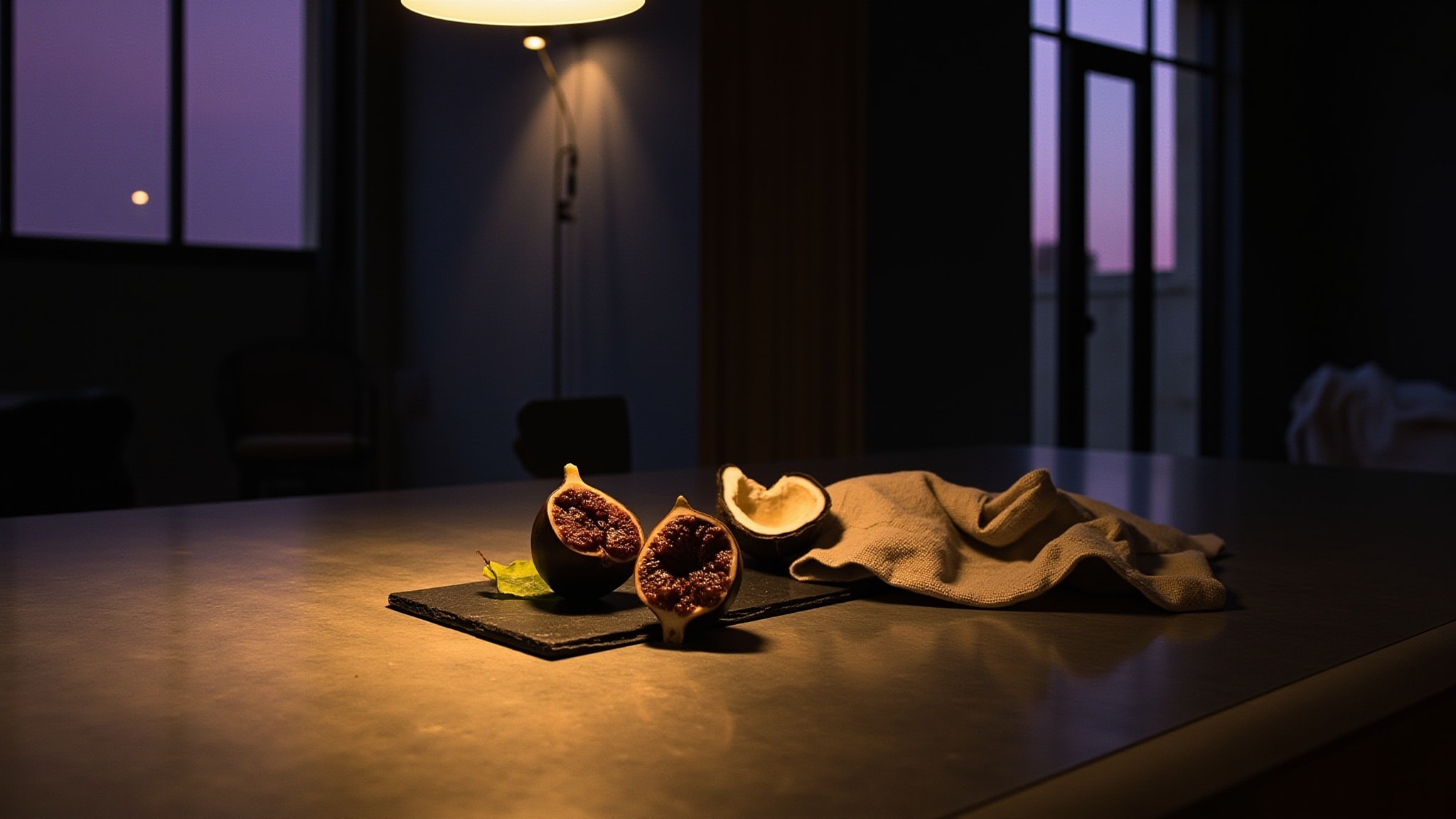
Figue Noire arrived in 2006 from Angela Flanders, a perfumer whose approach treats scent as small-batch storytelling rather than product rollout. The composition reads like a small, deliberate act of indulgence. Fig, coconut, and tuberose, three notes that on paper sound like a dessert menu, were pulled into something heavier and more grown-up. The brand calls it a Floral Oriental, and that's fair, though it behaves more like a candied fruit left too long in a glass of port. The fig leaf note dominates the opening with a green, almost milky sweetness, sharpened by the dark, jammy undertones of the fruit itself. Coconut arrives quietly, lending a creamy roundness that keeps the fig from feeling austere or overly austere, smoothing the sharper edges while adding a faintly lactonic warmth.
What makes this composition worth a second look is the tension between its three notes. Fig brings dark fruit, almost wine-like in its depth. Coconut softens everything that fig threatens, turning sharp edges into something creamy and rounded. Tuberose then arrives and complicates the whole arrangement, adding a creamy, almost carnal white-floral weight that keeps the sweetness from tipping into something childish. The result is gourmand territory without the usual sugar high, a floral that eats like a fruit tart but wears like evening perfume. The lactonic warmth of coconut against the green-dark snap of fig is the kind of pairing that demands a second spray.
The evolution
The opening is where fig announces itself first, almost jammy, with coconut arriving right behind to soften the sweetness into something milky. That first thirty minutes feel like the most overtly fruity and gourmand phase of the wear, the accord that earns the 'candied' label the brand uses. Then tuberose begins to rise, and the whole composition shifts. The creaminess stays, but it gains an almost heady, white-floral intensity that gives the fragrance its grown-up edge. What started as dessert starts to behave like something more intimate, warmer, and more deliberate. The drydown settles into a soft, woody base that keeps the fig and coconut close to the skin without losing them entirely. Hours later, what's left is a quiet, lactonic warmth with a faint green sweetness underneath, the kind of trace that shows up on a scarf the next morning. It doesn't project widely after the first hour, but it stays.
Cultural impact
Figue Noire holds a quiet, particular place in the conversation around dark-fruit gourmands, less because it's chasing a category than because it accidentally defines one. The tuberose-coconut pairing gives the scent a distinctly evening character, the kind of warmth that reads better under low lamps than in daylight. It's the sort of fragrance that draws in a specific kind of wearer, the sort who treats scent as costume, as atmosphere, as something to inhabit rather than something to project. There's an intentional indulgence in the blend, but it's tempered by a kind of restraint that keeps the sweetness honest.