Angela Flanders
Angela Flanders spent her formative years in theatre, studying at Manchester School of Art before working as a television costume designer. She later moved through antique dealing and interior design, never quite finding the creative outlet that matched her vision. At 58, something shifted. An old perfume book, dog-eared and fragrant, became her unlikely catalyst. She opened her first shop on Columbia Road in 1985, in the thick of East London's famous flower market, selling potpourri before graduating to proper fine fragrance. The transition felt inevitable. Her background in costume and set design had trained her to think in textures, layers, and dramatic effect. She approached scent the way a designer approaches a wardrobe: every note a garment, every accord a complete look. Her work earned her two Best New Independent Fragrance awards, though awards never seemed to matter much to her. What mattered was the thing itself, the alchemical moment when raw materials become something you want to live inside.
The hits
Notable creations
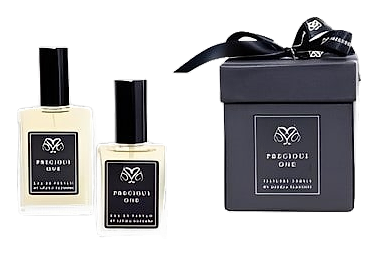
The signature
How Angela composes
The Angela Flanders style is unmistakably English. Her fragrances carry atmosphere like London carries weather. She favored rich, textured materials, woods and resins that felt lived-in rather than pristine. Florals appeared in her work, but rarely in the conventional sense. They were crushed, dried, or woven into something stranger and more memorable. Her costume design background surfaced in how she thought about fragrance as a whole composition, each element supporting the others. Nothing showy, nothing loud. The signature was restraint with depth, the kind of complexity that reveals itself slowly over a wearing. Her work had weight to it, history embedded in the formula. People who found her fragrances tended to keep them, wearing the same scent for years without growing tired of it.
Philosophy
What drives Angela
Flanders believed perfume should be discovered, not marketed. She built her tiny perfumery away from the industry's noise, in a neighborhood where people still wandered in looking for something real. Her creative process was deeply personal and unhurried. She didn't chase trends. She chased memory, texture, the particular grey of a London morning. Her approach centered on restraint and authenticity. She wanted her fragrances to feel like they had always existed, like heirlooms waiting to be found rather than products waiting to be sold. Small batches, hands-on formulas, no shortcuts. The philosophy behind each scent was simple: if it doesn't make you pause, it isn't finished.
The houses
Maisons Angela composes for
In the same league