The Story
Why it exists.
The beginning
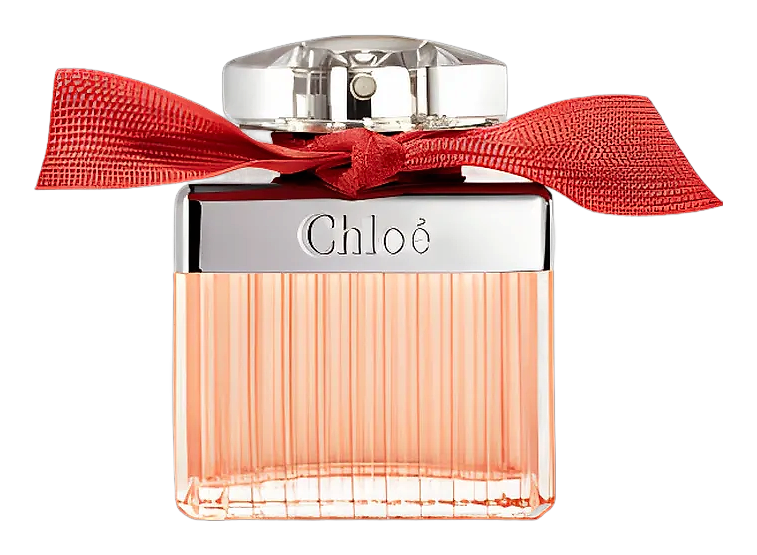
Rose Sauvage launched in 2007, its title translating plainly: wild rose. The Eglantine, that rambling, five-petaled thing that grows untended along country lanes and in forgotten corners of gardens. The composition builds around that specific flower, working with rose as a living botanical rather than an ornamental bloom. The accord opens with a green, almost brambly brightness, the smell of stems and leaves crushed between your fingers before the petals ever surface. As the top notes settle, the heart reveals itself in layers: a dewy rose that carries the cool dampness of early morning rather than the warmth of a florist's window.
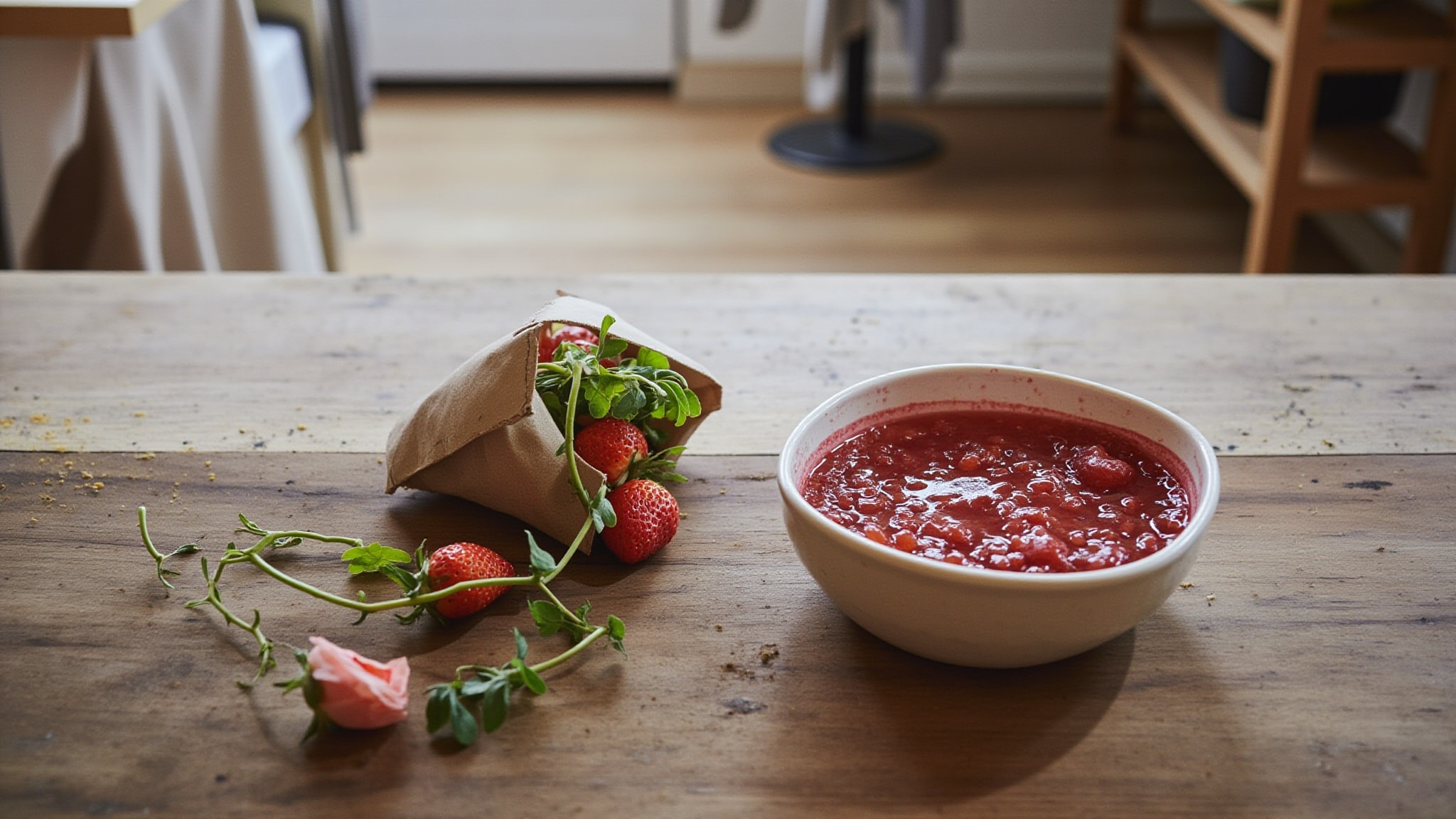
What makes Rose Sauvage interesting is the strawberry. The fruit note weaves through the rose heart in a way that reshapes how the whole composition reads on skin. Rose Hip brings a tart, almost green sharpness, the kind of snap you'd get biting into the fruit after the first frost. That bitterness cuts cleanly through the floral sweetness, preventing the blend from ever feeling cloying or one-dimensional. Big Strawberry rounds out the fruit accord with a riper, jammier warmth, though it never tips into candy territory.
The evolution
The opening is almost all fruit. Strawberry arrives first, sweet but not cloying, like the scent of crushed leaves in a kitchen where someone's making jam. Rose Hip cuts through with a tartness that keeps it honest. Within the first 15 minutes the wild rose begins to surface, but it's never the formal, powdery rose of a classic perfume. This one has thorns. It smells like a rose you picked while walking, not one arranged in a vase. The heart holds steady for the next few hours, rose and strawberry in constant conversation, neither one winning. There's a greenness underneath that some people miss at first, but it's what stops the composition from going syrupy. By the third or fourth hour, the fruit softens. The strawberry recedes into something warmer, almost like the scent of dried petals in a drawer. The wild rose holds on longest, quieter now, more skin-like than flower-like. On fabric the next morning, you'll catch a faint sweetness, the ghost of fruit and the memory of a petal.
Cultural impact
Rose Sauvage wears like a private reference. It doesn't broadcast, which makes it the kind of scent that rewards the wearer rather than the people in the next room. The strawberry gives it a playful edge that keeps it from ever reading as a formal floral, and it sits closer to a summer walk than to a perfume counter. Some wearers reach for it as their warm-weather signature; others keep it for nostalgia, a bottle tied to a specific afternoon or a particular stretch of road lined with wild roses.